Every crisper drawer eventually produces the same scene: celery that bends like rubber, herbs collapsed in a heap at the stem, a bag of spinach going translucent at the edges, half a bunch of carrots gone bendy. The instinct is to throw it all out, which is how a real share of grocery money ends up in the bin. Most of it is not spoiled. It is dehydrated, or slightly past its best raw texture, and both have fixes that take minutes.
Wilted Is Not the Same as Spoiled
Triage first, because the two failures look similar in a crowded drawer and are not the same thing. Wilting is water loss: the vegetable is limp, maybe wrinkled, but the flesh underneath is firm and it smells like itself. That is fixable. Spoilage announces itself differently — slime that wipes off in a film, mushy dark patches, fuzzy mold, a sour or fermented smell, or liquid pooling in the bag. Those go out, and so does anything soft that has been sitting in that liquid. Firm produce with one moldy spot is a judgment call: cut a wide margin on hard vegetables like carrots and cabbage, and discard soft ones like berries entirely, since mold threads travel further than the visible spot suggests.
Ice Water, the Twenty-Minute Revival
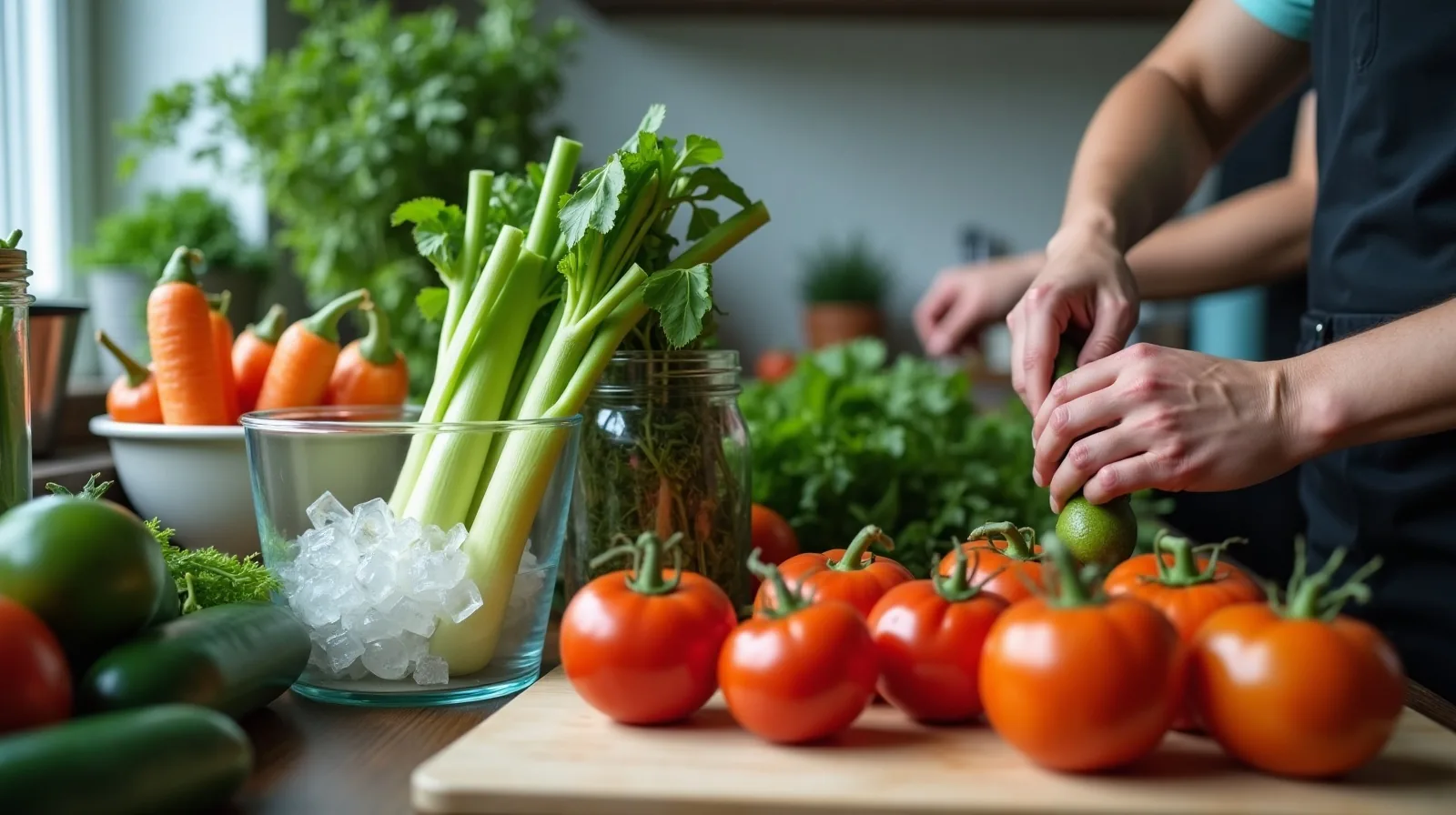
The most useful rescue is also the least intuitive: a cold bath. Anything that wilted from water loss can pull water back in through a cut surface. Trim a thin slice off the stem end, drop the whole piece into a bowl of ice water, and give it twenty to thirty minutes in the refrigerator. Limp celery, carrots, radishes, and lettuce come back noticeably crisp. Leafy herbs revive standing in a jar of cold water like cut flowers, loosely covered. The revival is real but temporary, so use them within a day or two rather than returning them to the drawer.
A Rescue Move for Each Kind of Produce
Once triage is finished, the rest is matching damage to technique. Texture problems disappear under heat and blades; flavor problems mostly do not, which is why anything genuinely bitter is a compost question rather than a cooking one.
- Limp greens. Wilt them on purpose. A handful into a hot pan with oil and garlic, or into soup at the end, and nobody can tell they were sad an hour earlier.
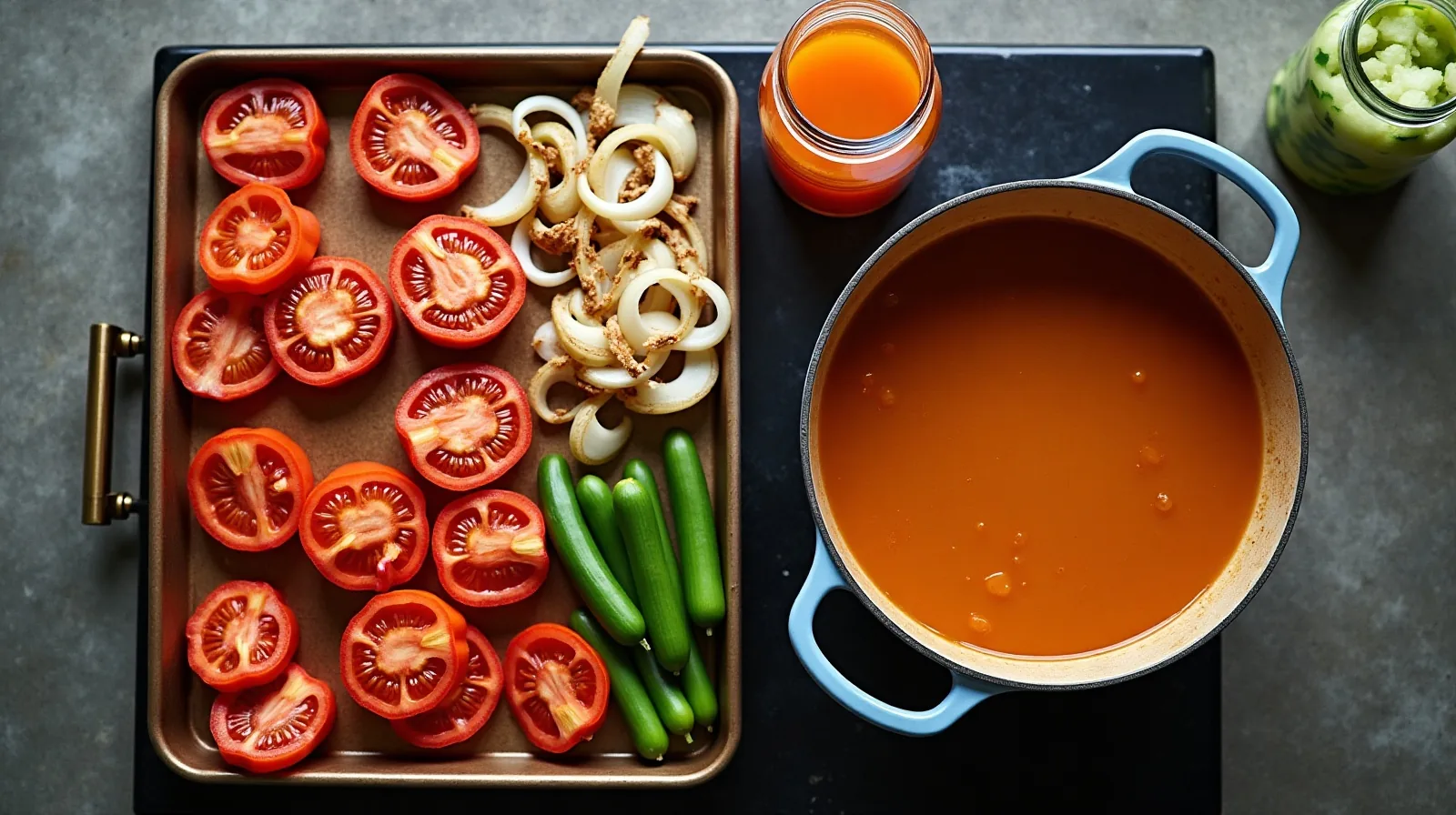
- Soft tomatoes and peppers. Roast them. Heat concentrates what sugar is left, and blistered vegetables become sauce, soup base, or a topping for toast.
- Bendy carrots, celery, and onions. The backbone of nearly every soup and stock. Chop and freeze them together in a bag as a ready-made base.
- Herbs past reviving. Blend them stems and all with oil, nuts or seeds, and salt into a rough green sauce, or freeze chopped leaves in oil in an ice cube tray.
- Cucumbers, radishes, and firm cabbage. A quick pickle in vinegar, water, salt, and sugar buys weeks and turns a tired vegetable into a condiment.
Heat, Blades, and Brine in Practice
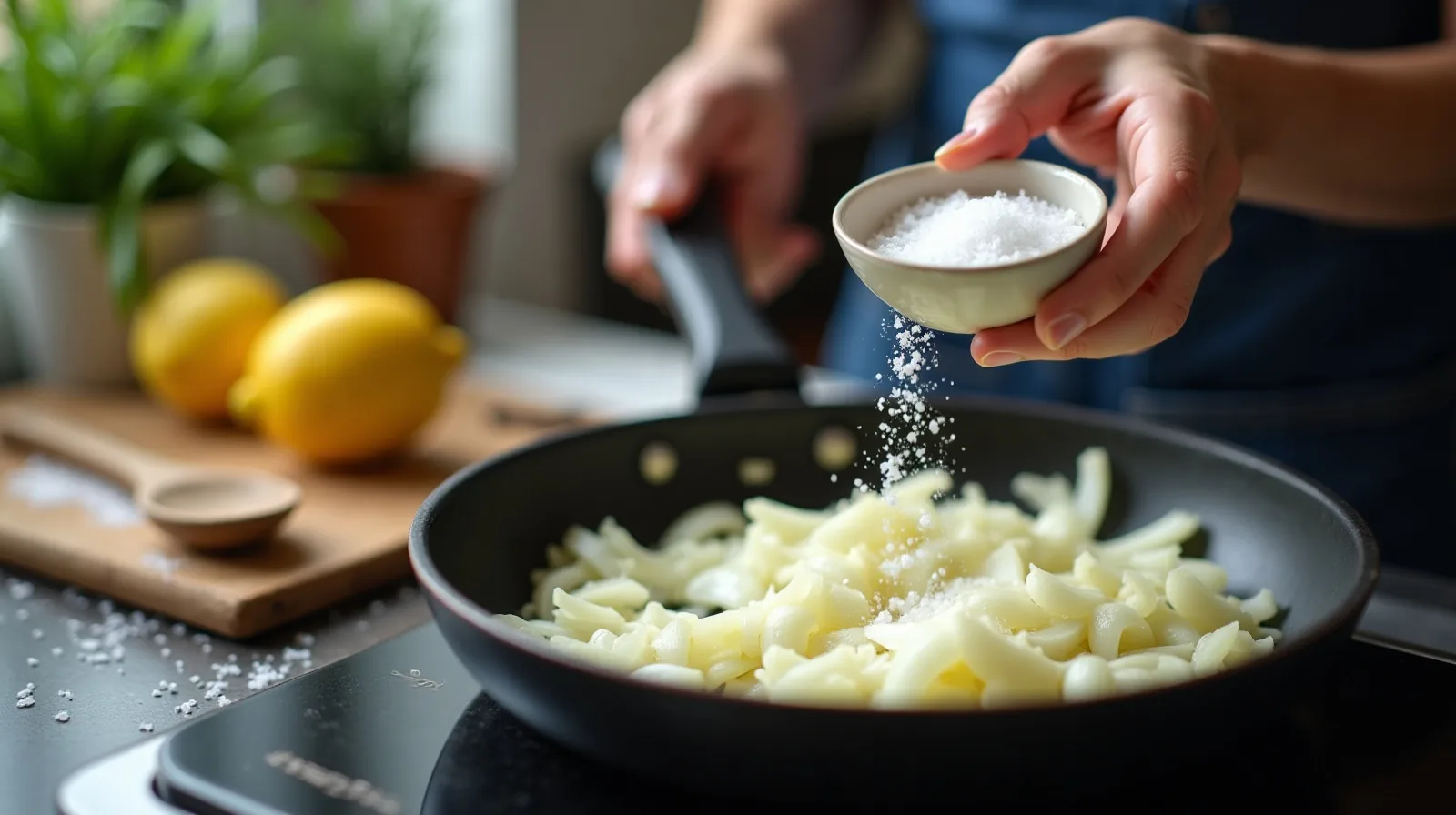
Three techniques cover almost every rescue. Roasting is the least demanding: cut everything to a similar size, toss with oil and salt, spread it on a sheet pan so the pieces are not touching, and give it a hot oven until the edges brown. Blending comes next, since roasted vegetables plus broth become soup, and raw greens plus oil, acid, and salt become a sauce that hides any amount of wilt. Quick pickling is the most forgiving: heat equal parts vinegar and water with a spoonful each of salt and sugar, pour it over sliced vegetables in a jar, and refrigerate. Freezing backstops all three.
Shop So It Happens Less Often
Needing less rescue work is the real goal. Give the fridge a five-minute look before the grocery trip rather than after, and build the first two dinners of the week around whatever sits closest to the edge. Keep fragile items where they can be seen instead of buried in a drawer, and treat a stalled vegetable as a sign the shopping list runs slightly ahead of the household appetite. Buying a little less, a little more often, beats any technique on this page.