Two cooks can follow the same recipe and set down two different dinners. Usually the gap is not knife skill or a better pan — it is salt, and specifically when the salt went in. Food seasoned only at the table tastes like food with salt on top of it. Food seasoned in stages tastes like itself, only more so. The technique costs nothing, adds no time to the clock, and mostly comes down to reaching for the salt dish at four or five particular moments instead of one.
Why Timing Changes What Salt Does
Salt added early does more than make things salty. Given heat and a little time, it draws moisture out of vegetables so they brown instead of steaming, it seasons the inside of a piece of meat rather than only the crust, and it dissolves into liquids that will later reduce and concentrate. Salt added at the very end sits on the surface, where the tongue reads it as sharp and separate. Both have a job: early salt builds the base, and a pinch of flaky salt at the finish adds a crackle you can actually feel. What fails is skipping the first and doubling the second.
Salt the Water Like You Mean It
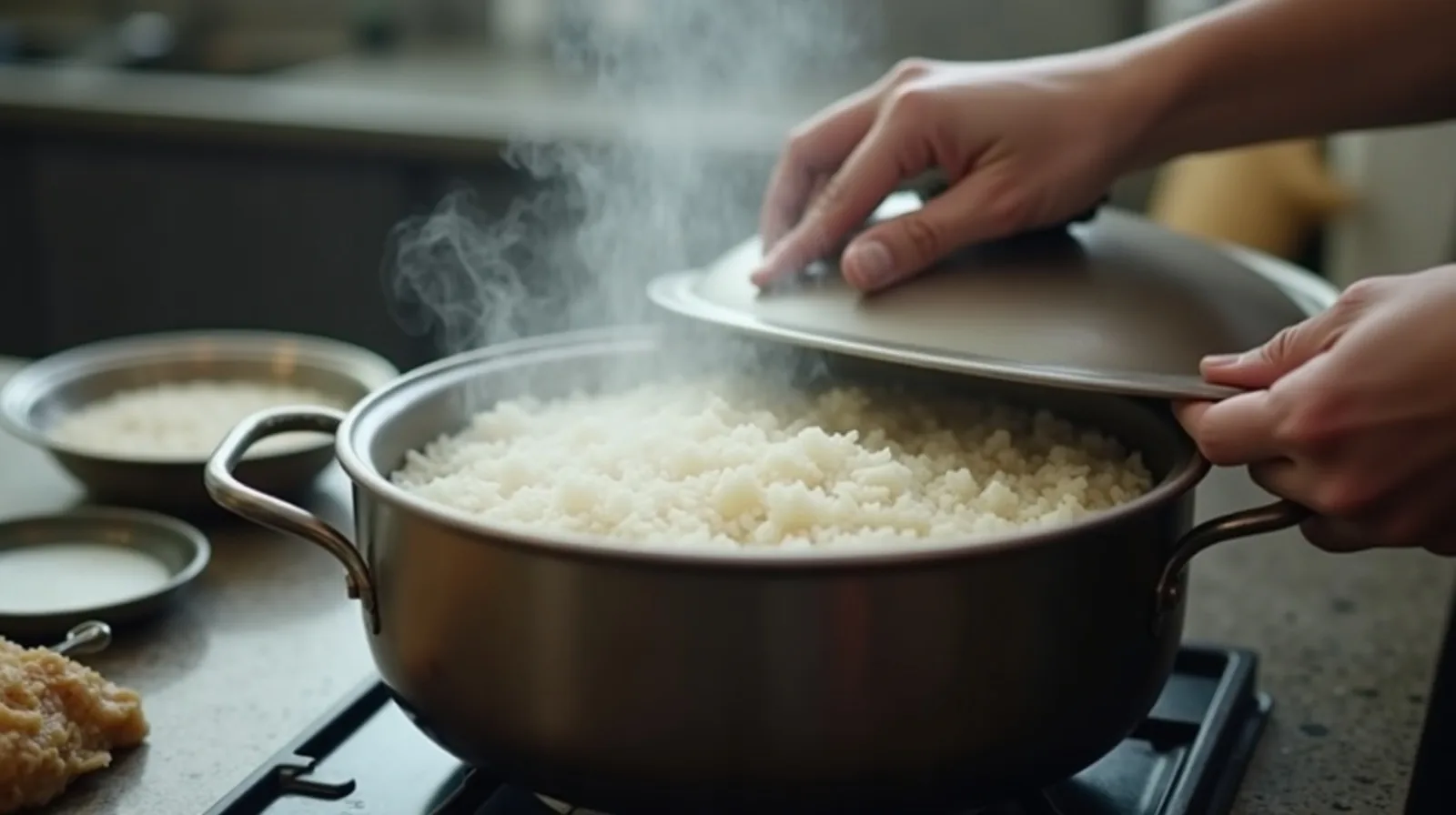
Anything boiled in unsalted water comes out bland at the core, and no sauce added afterward truly fixes it. Pasta water should taste clearly seasoned; potatoes, grains, and blanched vegetables want similar treatment. Most of that salt goes down the drain with the water, which is why the quantity looks alarming in the palm of your hand and tastes perfectly reasonable on the plate. Beans are the exception people still argue about, and the old warning that early salt keeps them tough has largely not held up in practice.
Season as You Build
Think of a dish as a stack of layers, each getting a small amount rather than one large correction at the end.
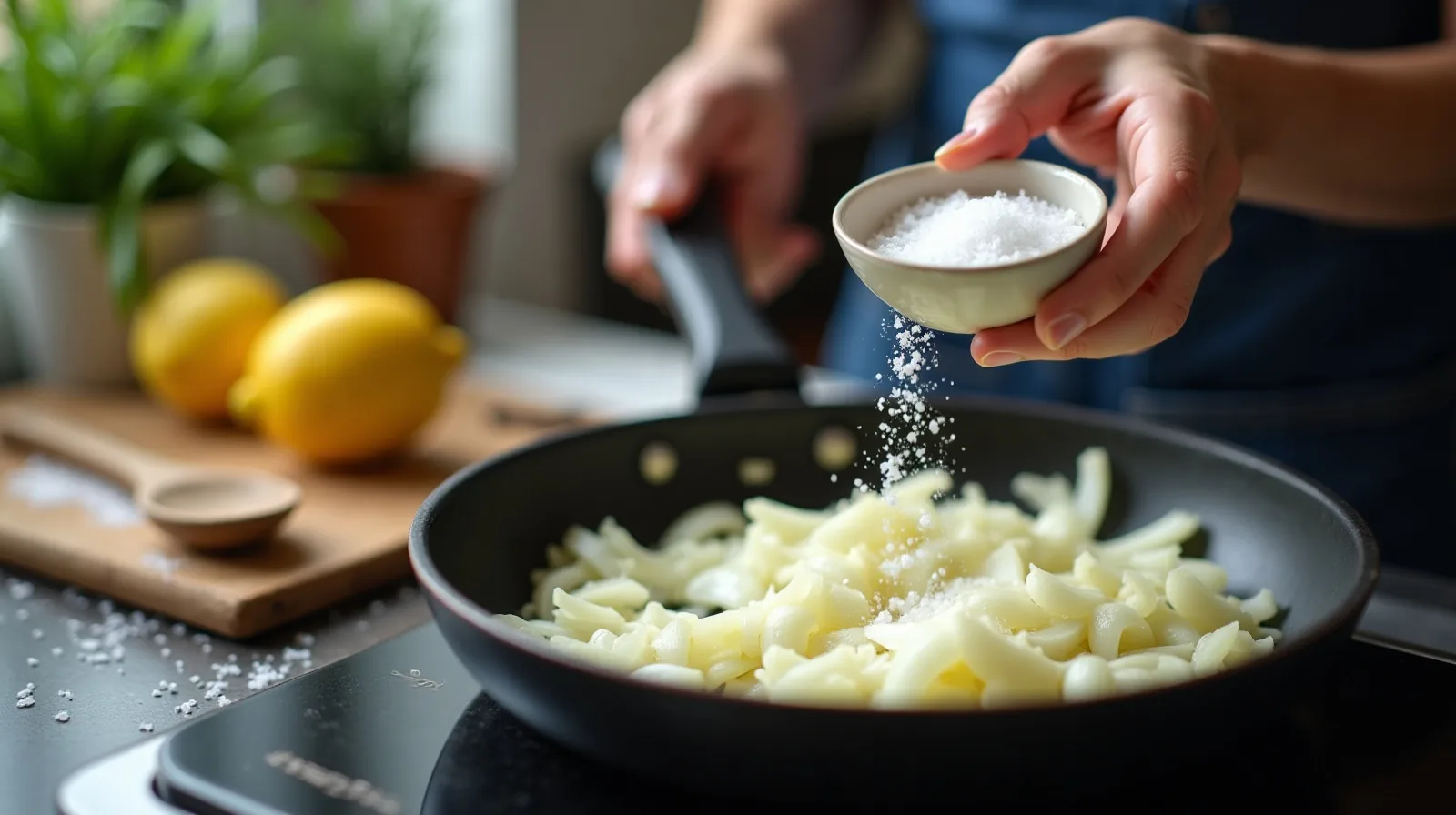
- The aromatics. A pinch as onions, garlic, or peppers hit the pan pulls out water, speeds the softening, and starts the base of the whole dish.
- The protein. Salt meat or fish before it meets heat, ideally a good while before, so the seasoning has time to travel inward instead of sitting on the outside.
- The liquid. Season stock, sauce, or braising liquid lightly at the start, then taste again once it has reduced, because concentration multiplies whatever you already added.
- The vegetables. Every addition to the pan gets its own small pinch as it goes in, rather than one shower over the finished pile at the end.
- The finish. A little flaky salt just before serving, sitting on top where it stays crunchy and reaches the tongue first.
Taste, Adjust, Taste Again
Tasting is a discipline, not a personality trait. Keep a spoon by the stove and use it at every change of stage: once the aromatics soften, when the liquid goes in, after it reduces, and just before the pan leaves the heat. Ask one narrow question each time: flat or bright, thin or round, sharp enough? Add salt in small amounts and wait a moment before judging, since tasting immediately after stirring tends to underestimate what you just put in. If a dish does end up oversalted, more liquid or more bulk is the honest repair; sugar and the famous raw potato mostly disguise the problem.
The Acid and Fat Finish
When something tastes almost right but oddly dull, salt is often not the missing piece at all. Acid usually is: a squeeze of lemon, a splash of vinegar, a spoonful of yogurt or pickle brine. It sharpens the edges and makes the whole plate read fresher. Fat is the complement, rounding harshness and carrying flavor across the tongue, whether that is butter swirled in off the heat, a drizzle of good olive oil, or a little cream. Season, then brighten, then round. Most weeknight cooking that lands flat is missing one of the last two steps.