There is a point in August when turning on a burner feels like a personal insult. The kitchen already holds the day’s heat, the oven would only make it worse, and dinner still has to happen at some point. The useful news is that an entire category of real meals never meets a flame. Not crackers-and-cheese improvisation either — assembled plates with protein, crunch, and something bright, the kind of food that leaves you full without leaving the house ten degrees warmer.
What Turns Assembly Into an Actual Dinner
The difference between a snack plate and a meal is structure, and the structure is easy to memorize: a substantial base, a protein you did not have to cook, something creamy or fatty, and something sharp and crunchy. The base can be a grain cooked in a cooler hour, sturdy bread, cold noodles, or a pile of hearty greens. Protein comes from a can, a tub, or a chicken you bought already roasted. Creamy means yogurt, tahini, avocado, or a good mayonnaise-based dressing. Sharp means pickles, raw onion soaked briefly in vinegar, a fistful of herbs, or a hard squeeze of lemon. Hit all four and nobody asks where the cooking went.
Five Dinners That Never Touch the Stove
Each of these is a template rather than a recipe, which is the point — you swap in whatever the fridge is holding.
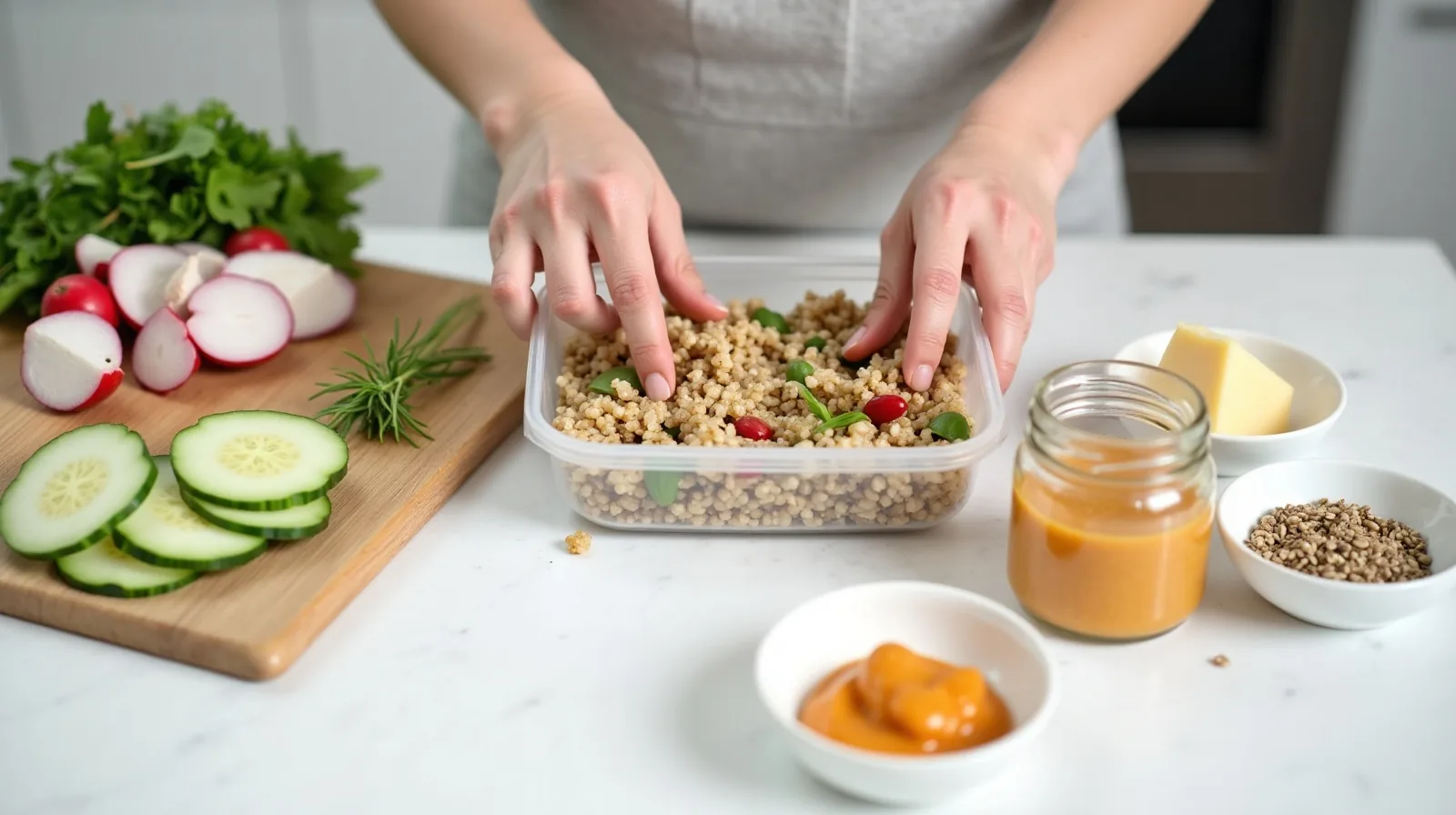
- The salad with real weight. Greens or shredded cabbage, a can of beans, a chopped cucumber, a salty crumbled cheese, toasted nuts, and a lemony dressing mixed in the bottom of the bowl before anything else goes in.
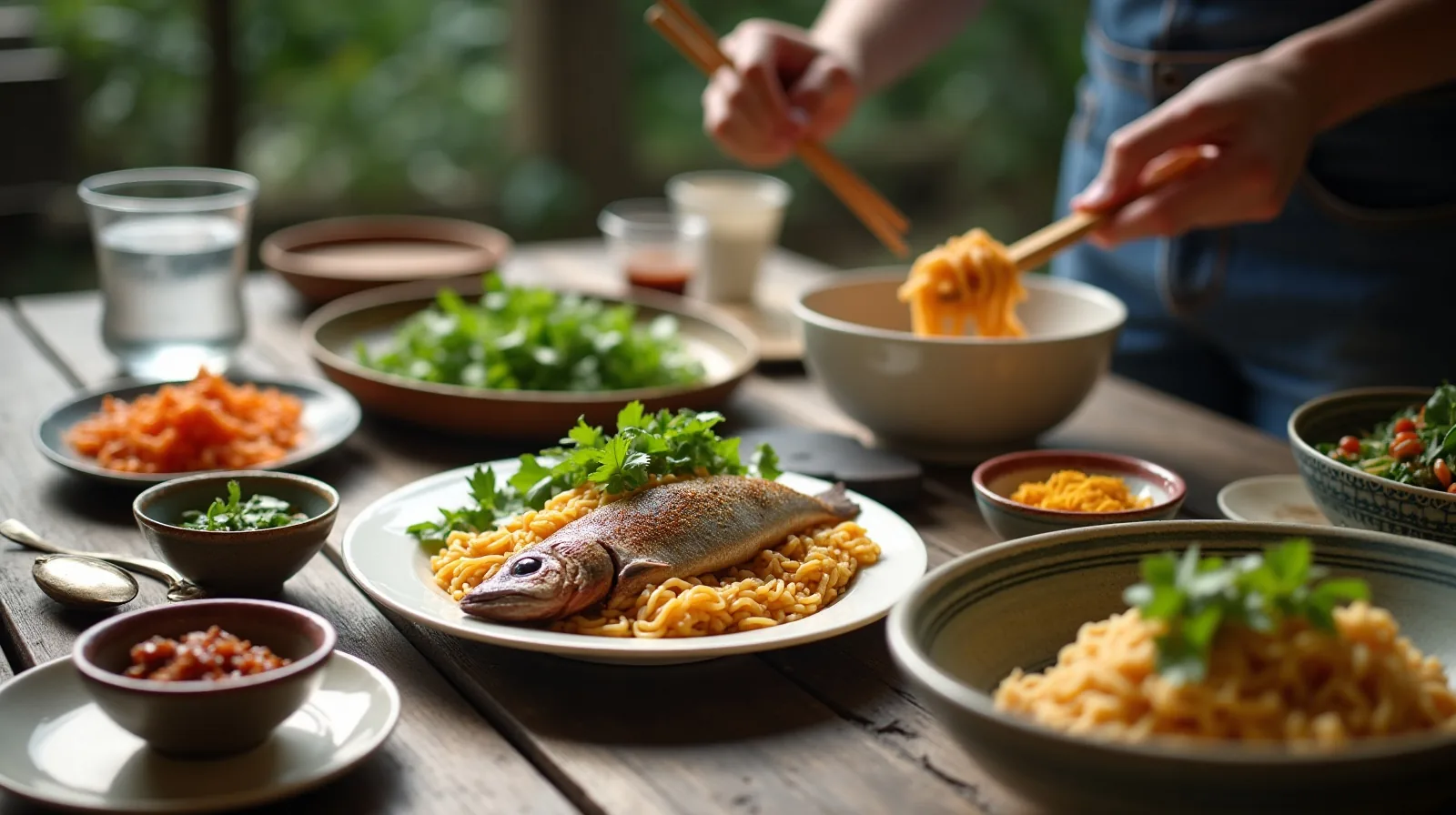
- Cold noodle bowls. Noodles boiled the night before and rinsed cold, tossed with a sesame or peanut dressing, then loaded with cucumber ribbons, shredded carrot, herbs, and any cold protein on hand.
- The tinned fish plate. Sardines or tuna packed in oil, crackers or good bread, sliced tomato with salt, olives, quick pickles, and a boiled egg if one is already waiting in the fridge.
- Wraps you can build standing up. Large flatbreads spread with hummus or seasoned yogurt, filled with beans, grated vegetables, herbs, and cheese, rolled tightly and cut on the diagonal.
- Chilled soup with a plate beside it. A blended cucumber or tomato soup poured over ice, served with bread and cheese so the whole thing reads as supper rather than a starter.
Cold Food Deserves Careful Handling
Skipping the heat step removes a safety margin that cooking usually provides, so a few habits matter more than they would in winter. Food-safety guidance generally treats the range between roughly 40 and 140 degrees Fahrenheit as the window where bacteria multiply fastest, and it shortens the safe holding time on a hot day: two hours out of the fridge is the common outer limit, dropping to about one hour once the air is above 90. Assemble at the last minute rather than letting a finished platter sit on the counter through a long conversation. Wash produce that will be eaten raw, keep raw meat and ready-to-eat foods on separate boards, and move leftovers back into the cold quickly in shallow containers instead of one deep bowl. If someone in the house is pregnant, very young, older, or managing a condition that affects immunity, it is worth asking a doctor which cold and raw foods are best skipped altogether.
Shopping So the Stove Stays Off
A stove-free week is mostly a grocery decision. Buy the components that carry a plate on their own: tinned fish and beans, a tub of hummus, one firm cheese and one crumbly one, thick yogurt, flatbreads, a bag of nuts, plenty of lemons, and more crunchy vegetables than feels reasonable. Then cook once, in the coolest hour you can find, and cook something that improves cold: a pot of grains, a dozen eggs, a tray of noodles. Everything after that is assembly, and assembly takes ten minutes with the windows open and every burner cold.