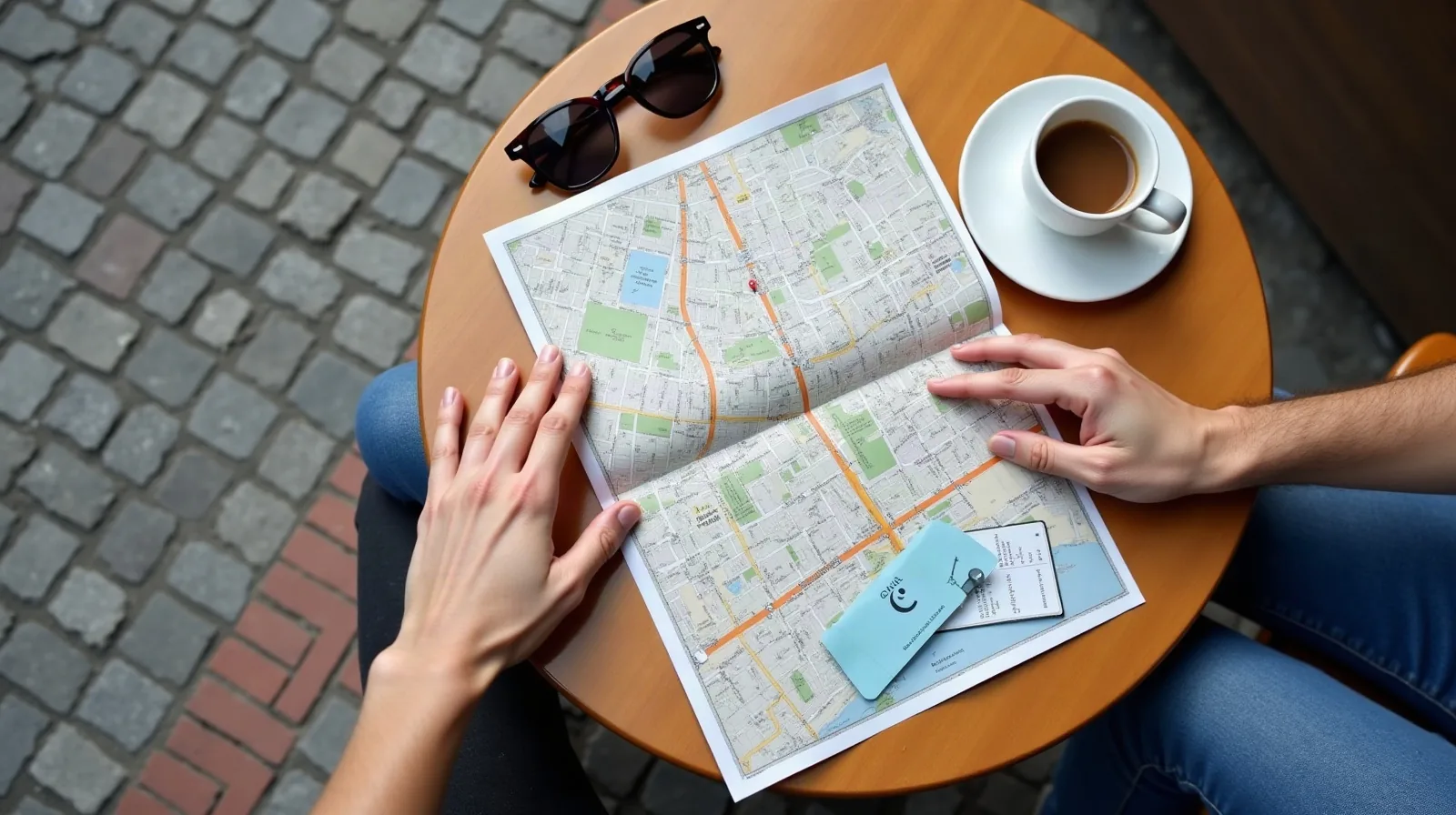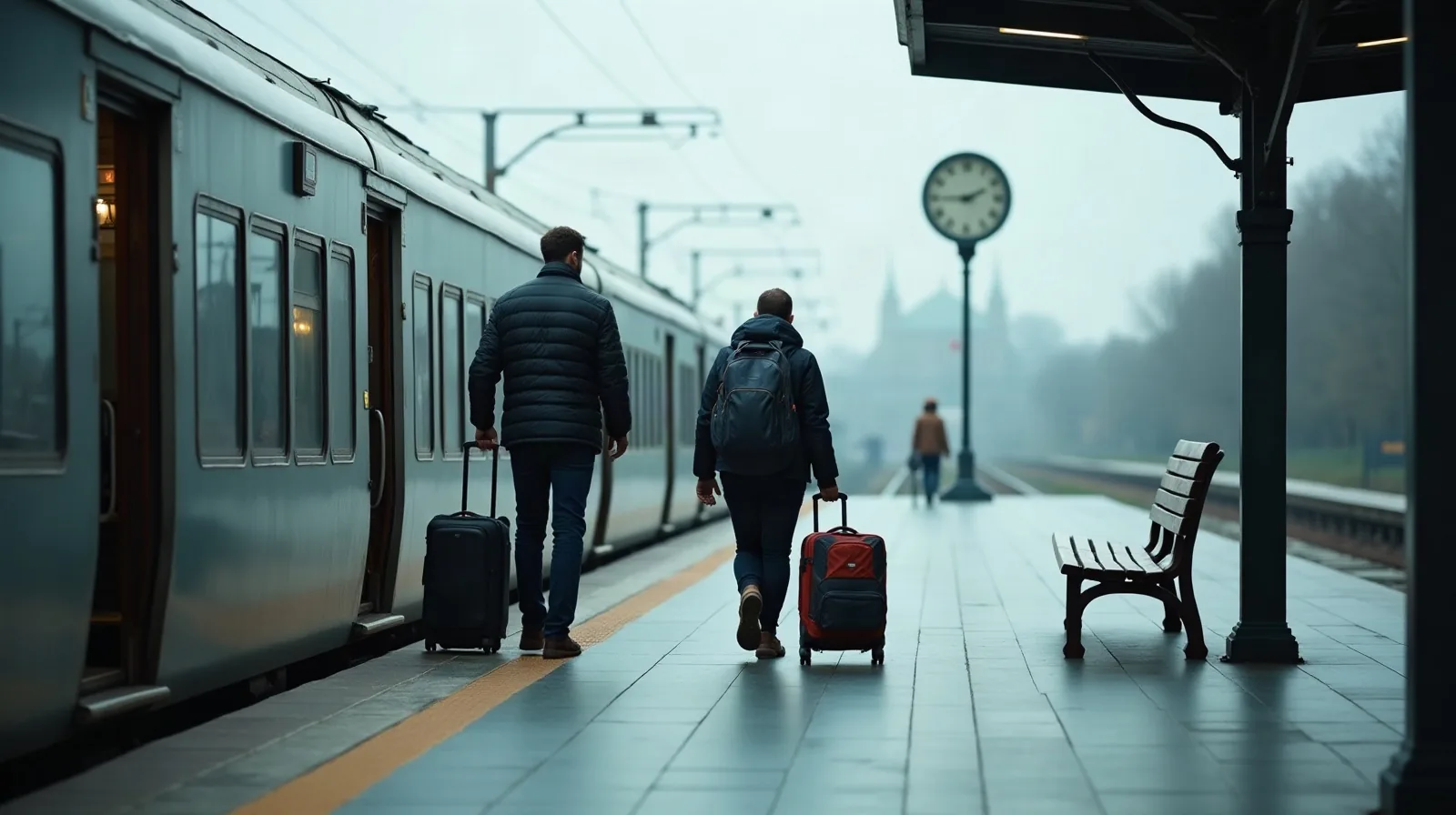
Most travel theft is boring. It is rarely a mastermind at work; it is a quick hand in a crowd, a distraction at the right moment, or a bag left hanging on a chair. That is good news, because boring problems have boring fixes. A handful of habits, set up before leaving the room, removes most of the risk without turning a trip into a vigilance exercise.
Carry Less, and Carry It Smartly
The simplest defense is having less to lose. Leave spare cards, the passport and anything irreplaceable in the room safe or a locked bag, and take only what the day needs: one card, a little cash and a phone. A paper or photo copy of the passport kept separately is handy if the original ever goes missing.
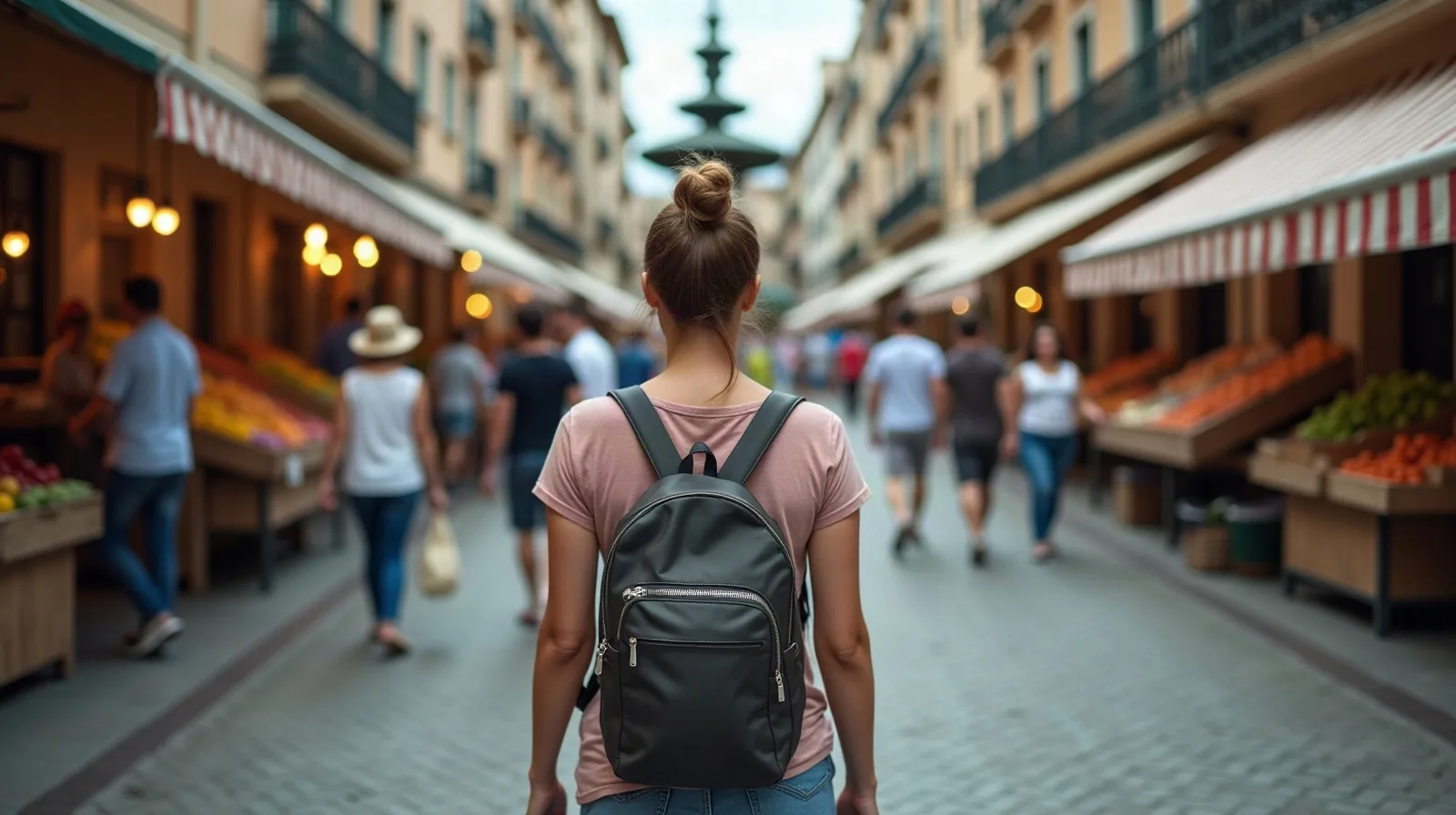
How the bag sits matters as much as what is in it. A zipped crossbody bag worn at the front, or a backpack carried on the chest in a tight crowd, is far harder to open unnoticed than a tote swinging at the hip. Back pockets and loose outer pockets are the easiest places to lift from, so treat them as empty.
Know the Moments Thieves Prefer
Opportunistic theft clusters in predictable places: packed trains at boarding time, crowded markets, busy doorways, and escalators where people bunch up and stop. The pattern is a pause or a bump that pulls attention away for a second or two. In those spots, a hand resting on the bag costs nothing and changes the odds a lot.
Recognize the Common Tricks
Scams tend to follow a few scripts, and knowing them makes them easy to shrug off. Most rely on a stranger who is unusually friendly, unusually urgent or unusually generous.
- The helpful stranger — an unrequested offer to work a ticket machine or carry a bag, followed by a demand for payment.
- The spill or bump — something lands on a jacket while a second person “helps” clean it, and a wallet quietly leaves.
- The free gift — a bracelet or flower pressed into a hand, then a request for money.
- The closed attraction — a friendly local says the place is shut and steers toward a shop or taxi.
- The unmetered ride — a driver who will not use the meter or agree on a price before the car moves.
A calm, polite “no, thank you” and a steady walk is usually enough. Nobody is owed an explanation, and stepping into a shop or toward a staffed counter ends most encounters at once.
Plan for the Bad Day Anyway
Even careful travelers lose things, so a small recovery plan turns a crisis into an errand. Keep a card and some cash in a second location, store emergency numbers somewhere other than the phone, and know how to lock or locate the phone remotely. If a card disappears, call the issuer right away to freeze it, then file a local police report, which many insurers and embassies ask for. Travel insurance, covered in plain terms in another Livestly guide, can make that paperwork easier.
It also helps to keep perspective. Official travel advisories and local tourism offices are the best sources on what is actually common in a place, and for most destinations the answer is ordinary city habits rather than constant alarm. Aim for aware, not afraid.