Trains have a reputation for being relaxing, and they usually are once the first ten minutes are over. The part that makes first-timers nervous is everything before the seat: the station, the platform, the boarding rules. None of it is difficult, but it is different from flying or driving, and a little preparation makes the whole trip feel easy.
Sort Out the Ticket and the Schedule
Start by reading the schedule the way the train does. Every service has a departure time, a final destination and a list of stops, and the train you want is the one that calls at your stop, not necessarily the one with your city on the front. If a change is part of the trip, aim for at least half an hour between trains on a first journey.
Tickets come in several forms, such as a phone barcode, a printed page or a card that is scanned at a gate. Whichever it is, save it where it works without a signal, and check whether it is tied to one specific train and whether a seat is assigned.
Arrive Early and Find the Platform
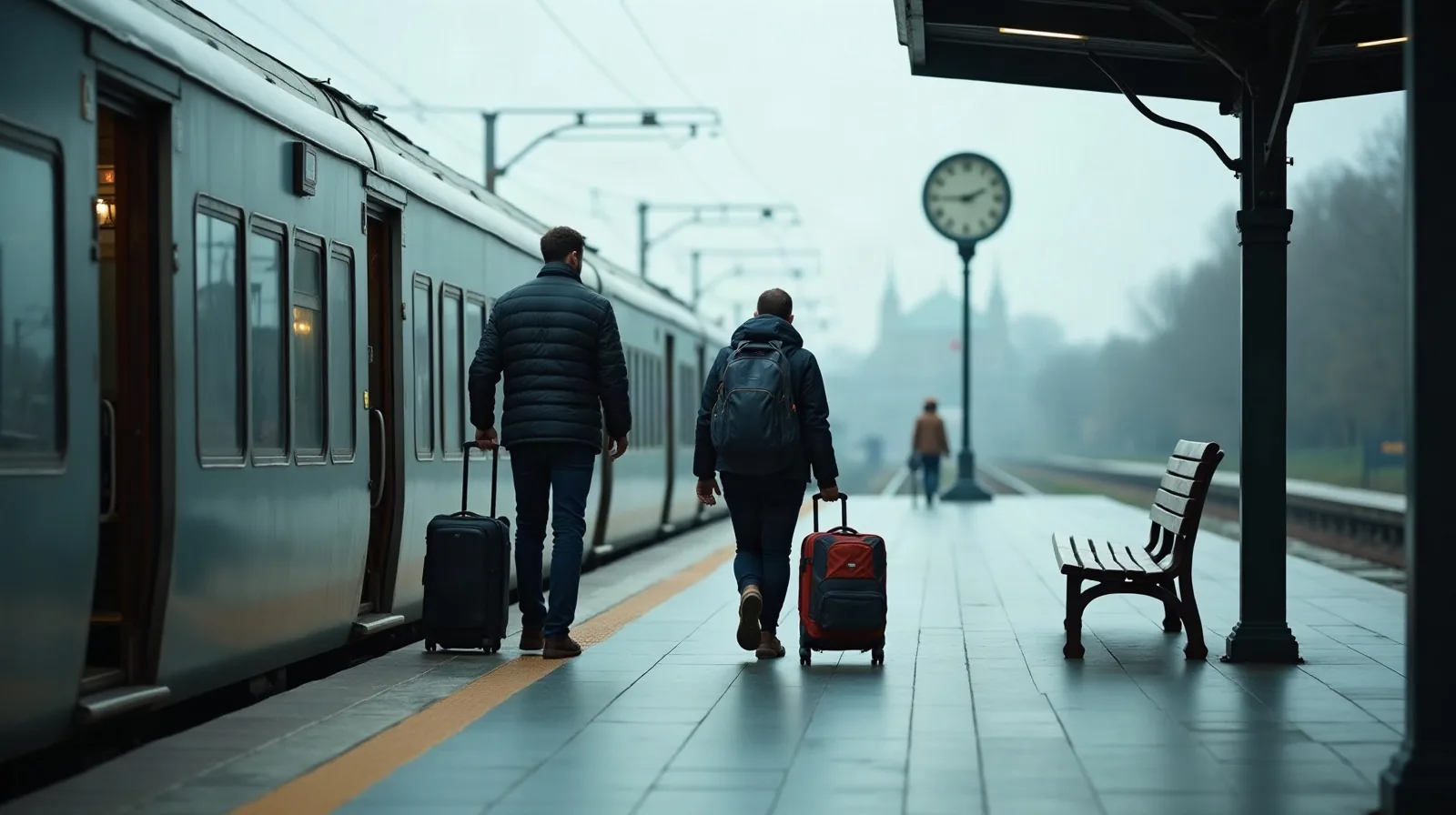
Stations are usually calmer than airports, but they reward a buffer all the same. Arriving twenty to thirty minutes ahead is a comfortable cushion for a first trip, and a bit more is sensible in a large station with many platforms. The departure board lists the platform, often only ten to twenty minutes before the train leaves, so the walk to the right track happens quickly once it appears.
Before heading down, take a moment to confirm the train and the direction of travel. Two trains from one platform can head opposite ways, and staff can settle any doubt quickly.
Board, Stow Your Bags and Settle In
Let people step off before stepping on, then board at the door closest to the carriage on the ticket, or the nearest one if seating is open. Mind the gap between the platform and the train, and take the step slowly with a suitcase in hand. Inside, the luggage rules are simple, and most of them are common sense:
- Small bags — go on the overhead rack, or on the floor under the seat in front.
- Large suitcases — belong on the shelf by the doors or at the end of the carriage.
- Valuables — stay with you: phone, wallet, passport and medication in a small bag at the seat.
- The aisle — stays clear, since people and staff need to pass.
- The seat — is the one on the ticket, or any free one that is not reserved for someone else.
Once seated, check where the train goes next and listen for announcements about the upcoming stop. Anyone with a health condition or a mobility need can ask the station or the operator about assistance ahead of time, and a doctor or another qualified professional can advise on anything beyond that, such as managing medication across a long ride.
Know What to Do When Plans Slip
Delays happen, and most trips recover without drama. If a connection is missed because an earlier train ran late, the usual first step is to ask station staff or check the board, since many operators will put a traveler on the next available service. Flexible tickets make this easier, which is worth knowing before buying. Keep a snack, water and a charged phone within reach so that a long wait on a platform is merely boring rather than stressful.