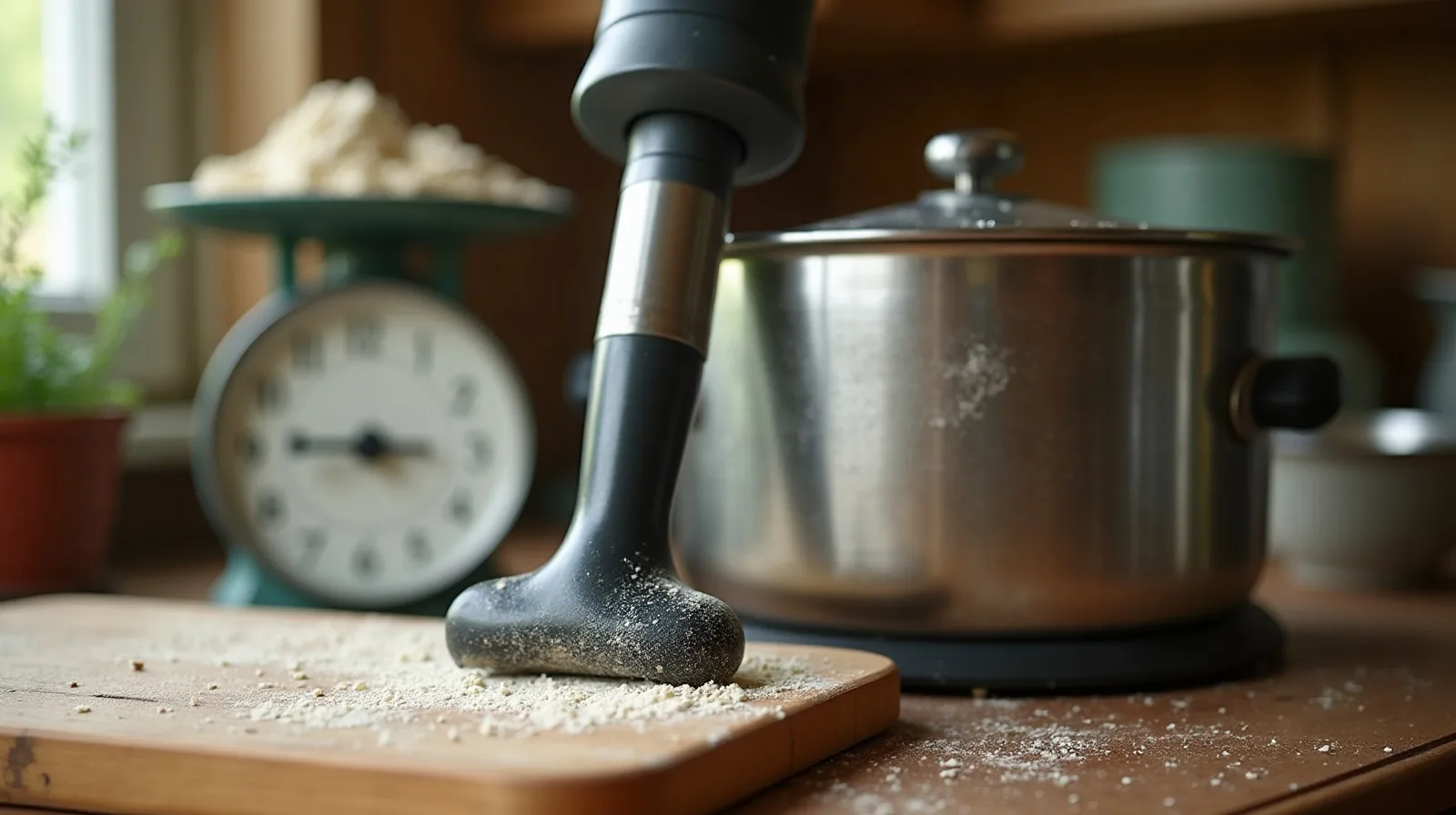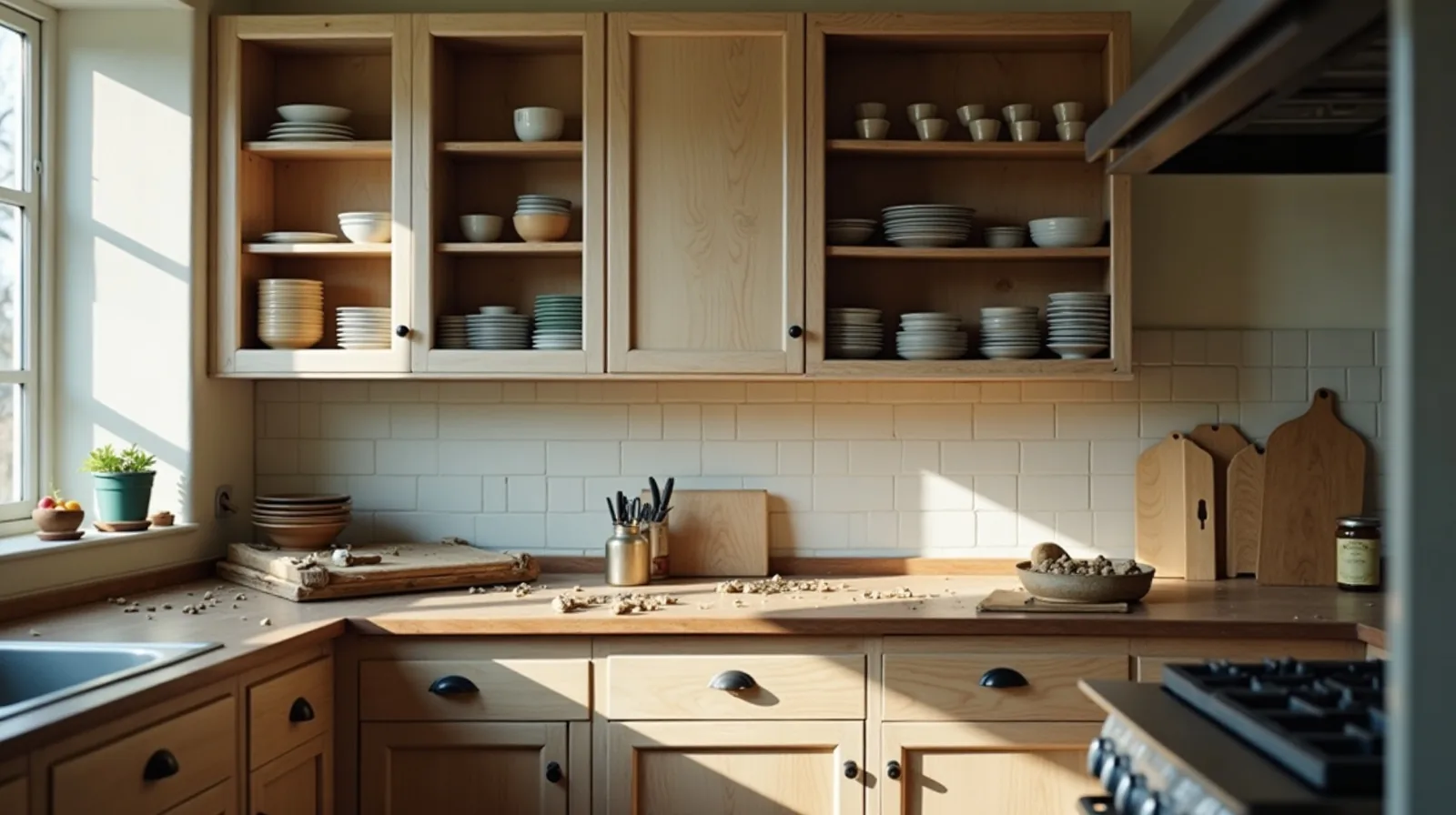
Stand in an average kitchen and cabinets are most of what you actually see — more surface area than the walls, the counters, or the floor. Which is why a kitchen can have perfectly good bones and still read as tired: the boxes are fine, but the doors are dated, the finish is worn, and the hardware belongs to another decade. Full replacement runs well into the thousands and tears the room apart for weeks. The budget path accepts a simpler premise: keep the boxes, change the surfaces. Nearly everything below costs a weekend and a modest trip to the hardware store.
Paint Is the Biggest Lever — and Prep Is the Whole Job
Nothing changes a kitchen per dollar like painted cabinets, and nothing fails faster than painted cabinets done impatiently. Kitchens coat everything in a fine film of cooking grease, and paint will not stick to it — so the real work is preparation: remove the doors and hardware, label everything as you go (numbered tape on each door, hinges bagged by location), degrease thoroughly, scuff-sand, and lay down a bonding primer before two thin coats of a durable cabinet-grade paint. Paint the doors flat on sawhorses or a covered table so gravity can’t leave drips. Then comes the hard part: patience. Paint that feels dry in hours takes days to fully harden, and rehanging or scrubbing too soon is how chips happen.
Updates That Never Touch a Paintbrush
If painting is more weekend than you have, smaller moves still shift the whole room:
- Swap the hardware. New pulls and knobs are the fastest upgrade in the house; match the existing screw spacing and it’s purely a screwdriver job.
- Open up a few doors. Removing the doors from one or two upper cabinets creates open shelving for the dishes you actually use — fill the hinge holes, touch up, done.
- Add under-cabinet lighting. Rechargeable stick-on or plug-in light strips brighten the counters and make the whole kitchen look more finished after dark.
- Upgrade the hinges. Soft-close hinges and stick-on door bumpers change how the cabinets feel every day, which matters as much as how they look.
- Refresh the insides. New shelf liner and a ruthless tidy make even unpainted cabinets feel newer every single time they open.
Spend Where the Eye Lands
Budgets go furthest when they follow sightlines. The run of cabinets facing the doorway and the ones framing the sink window earn the effort first; the panel beside the refrigerator that no one ever sees can wait. If a full paint job is more than the calendar allows, painting only the lower cabinets or just an island in a deeper contrasting color is a finished-looking choice that halves the work, not a compromise. Hardware is the one place not to split the difference: mixed old and new pulls read as unfinished, and a full set is usually affordable enough to do in one pass.
Know What a Refresh Can’t Fix
Be honest about the starting point. Peeling laminate, water-swollen particleboard, sagging shelves, and doors that no longer hang square need repair, not paint — paint reliably makes damaged surfaces look worse. Work with real ventilation (open windows, a fan) when using degreasers, deglossers, or primer, and follow the labels. If your cabinets were painted decades ago, test for lead before sanding — kits are inexpensive, and a positive result means stop and call in a professional. And weigh your time honestly: refacing services and carpenters exist for a reason, and knowing when a job crosses that line is its own kind of budget skill.