Every kitchen has the drawer: the avocado slicer, the strawberry huller, the electric wine opener that needed charging the one time anyone wanted it. Kitchen gadgets are cheap enough to buy on impulse and just useful enough to be hard to throw away, which is how a drawer becomes a museum of good intentions. But a few categories of gadget genuinely change how often you cook and how much you enjoy it. The difference isn’t price or cleverness — it’s a simple math problem you can run before anything comes home.
The Only Test That Matters: Cost Per Use
Forget whether a gadget is impressive; ask how often it will actually run. A tool used four times a week earns back almost any reasonable price, while a clever single-purpose device used twice a year costs a fortune per use no matter how cheap it was — and charges rent in drawer space besides. Two questions cut through most purchases: what specific meal will this make easier this week, and what are you currently doing instead? If the honest answers are “not sure” and “nothing, really,” the gadget is entertainment, not equipment.
The Categories That Keep Earning Their Keep
Ask frequent home cooks what they’d re-buy tomorrow, and most land on the same short list:
- An air fryer. Really a small, fast convection oven — it turns long preheats into five minutes and makes roasted vegetables and revived leftovers a weeknight default instead of a project.
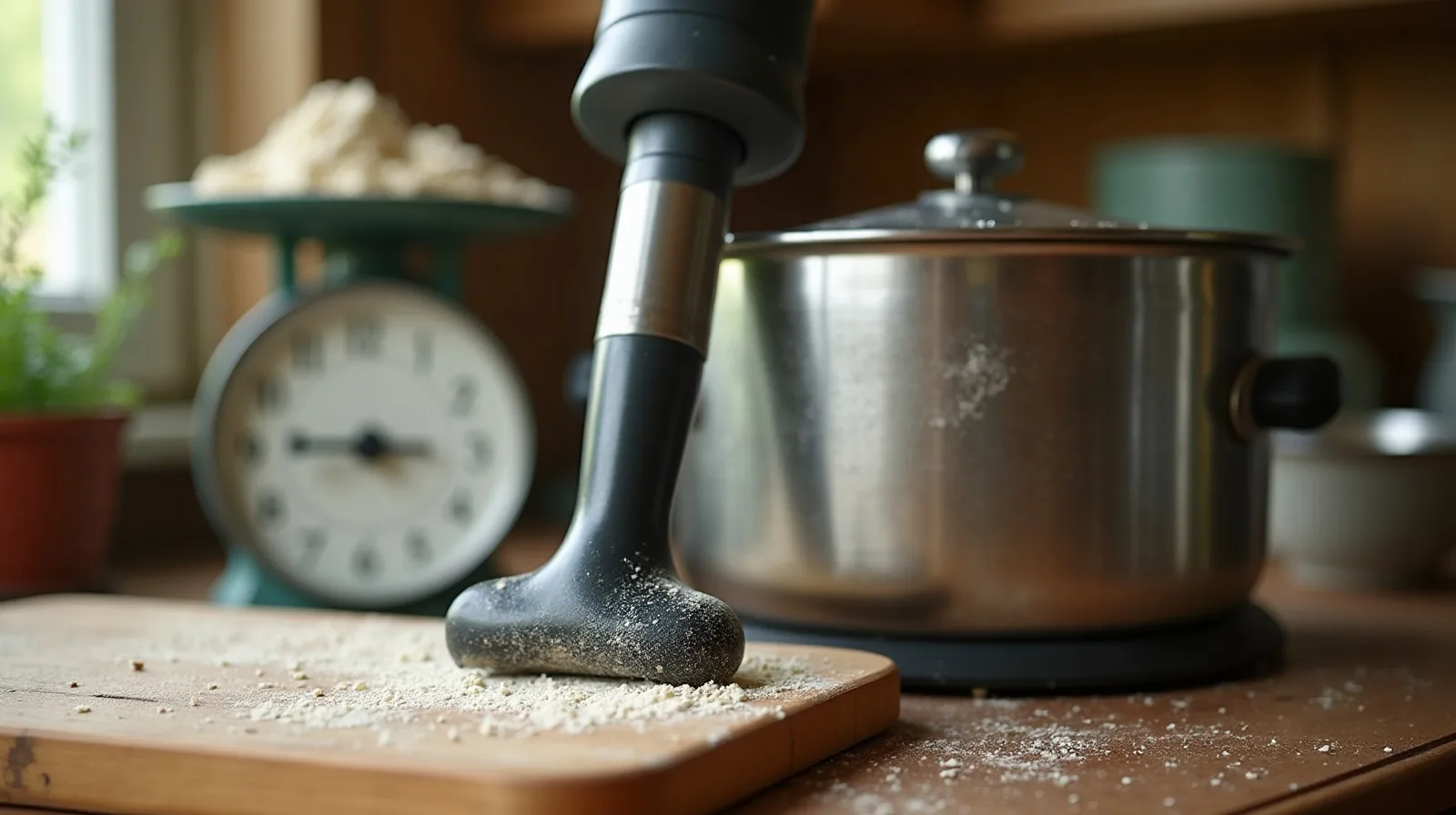
- An immersion blender. Blends soup in the pot it cooked in, whips dressings and smoothies, and rinses clean in seconds — most of a full blender’s usefulness with none of the disassembly.
- A digital kitchen scale. The cheapest upgrade in baking: consistent results, fewer measuring cups to wash, and recipes that scale up or down with simple arithmetic.
- An instant-read thermometer. Ends the guess-and-slice era of cooking meat. Chicken that’s done but not dry is worth the modest price many times over.
- An electric kettle. Faster than the stove for tea, pour-over coffee, and jump-starting pasta water — small, boring, and used daily, which is exactly the point.
The Unitasker Trap
The gadgets that end up in the drawer share a profile: they do one narrow job that a knife, a spoon, or thirty seconds of practice already handles. Banana keepers, egg separators, corn strippers, quesadilla makers — each solves a “problem” you meet a few times a year, at the price of permanent clutter. The pattern to notice is specificity: the more precisely a gadget names the single food it works on, the more likely it is to disappoint. Versatile tools survive because they show up in meal after meal; unitaskers wait for an occasion that keeps not arriving.
Before You Buy, Run the Week Test
One rule filters out most regrets: when a gadget tempts you, name three meals in the next two weeks where it would genuinely get used, then wait a week and see whether you still want it — and whether you actually cooked those meals. Check secondhand listings too; a resale market overflowing with a particular gadget, barely used, is the market telling you something. And when a purchase does clear the bar, give it counter space if you can. Tools you can see get used; tools in a cabinet behind the stockpot get archaeologically rediscovered during the next move.