
Flight-based travel funnels everyone to the same short list of cities, because that’s where the airports are. Point the car somewhere instead, and the map changes completely: whole regions with no major airport, modest crowds, and scenery that holds its own against the famous names suddenly come within reach. The United States is unusually rich in these in-between places — destinations that stay underrated for the simple reason that you can’t land a jet on them. If you have a free long weekend, a reliable car, and a tolerance for two-lane roads, some of the best trips in the country start in your own driveway.
Why the Drive-Sized Trip Is Underrated
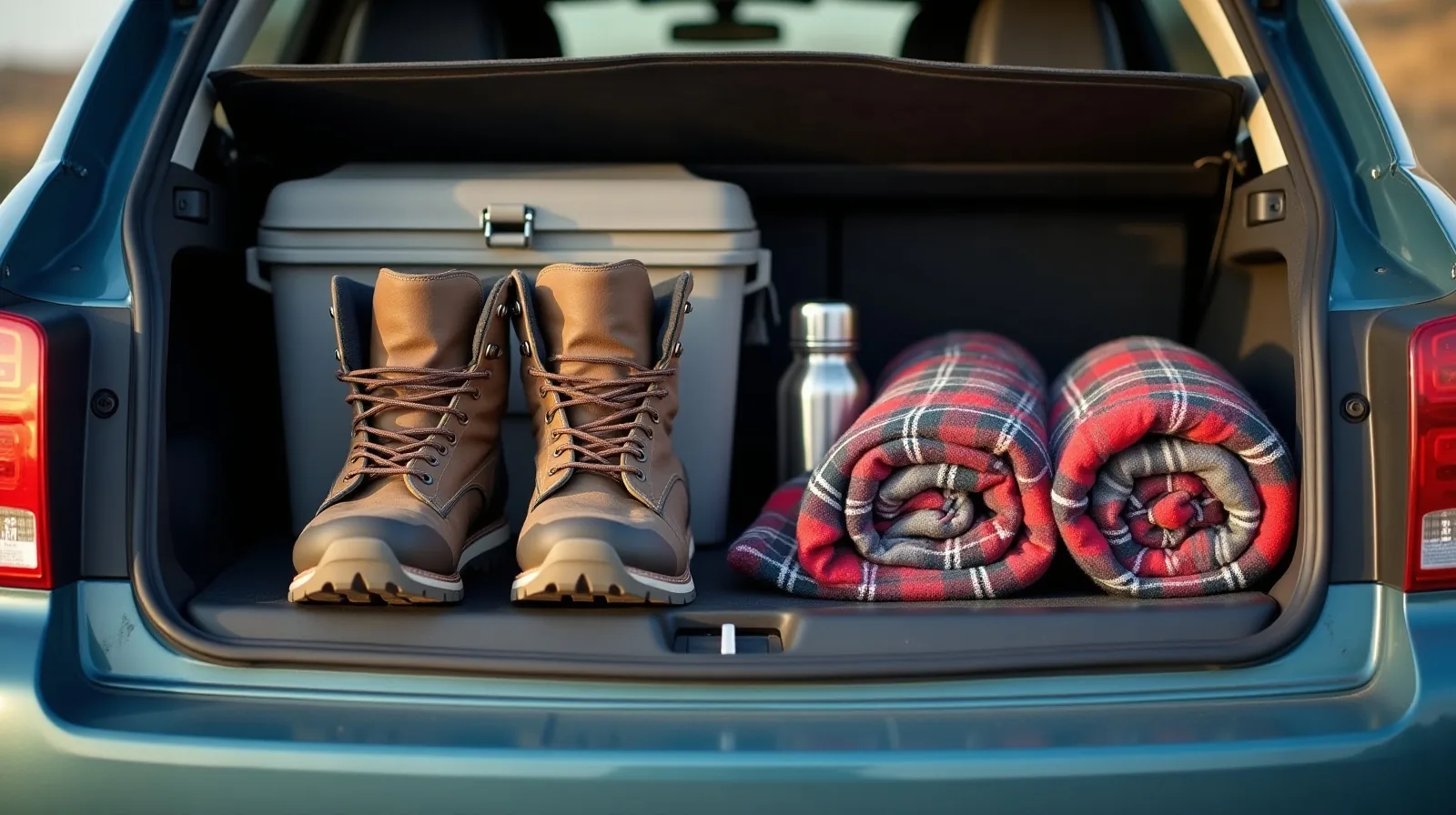
A drive trip trades the airport’s overhead — security lines, baggage rules, rigid schedules — for a flexibility that changes what a trip can be. You can bring the cooler, the hiking boots, and the dog; leave when you’re ready rather than when the fare is cheap; and stop the moment something looks interesting, which is exactly how the best travel stories start. Just as important, driving decouples the destination from tourist infrastructure. Places without shuttle buses and souvenir districts stay themselves — and the prices for rooms, meals, and trailheads in un-famous places tend to be a pleasant shock.
Six Regions That Reward the Miles
- The Ozarks. Spring-fed rivers, limestone bluffs, and slow mountain highways across Missouri and Arkansas — float trips and swimming holes without western-park crowds.
- Michigan’s Upper Peninsula. Waterfalls, empty Lake Superior beaches, and shoreline cliffs that look borrowed from an ocean coast, strung along blissfully quiet roads.
- The Driftless Area. Where Wisconsin, Minnesota, and Iowa meet, the ice-age glaciers skipped a patch: steep wooded ridges, trout streams, and river-town main streets in what is supposed to be flat country.
- The Texas Hill Country. Winding ranch roads, spring-fed swimming holes, and small towns built around barbecue and live music, at their best when the wildflowers are out.
- The Palouse. Rolling velvet-green wheat hills across eastern Washington, a landscape so rhythmic it looks painted — a place where the road itself is the destination.
- The Finger Lakes. Eleven glacial lakes in upstate New York lined with gorge trails, waterfalls, farm stands, and unhurried lakeside towns.
How to Pick Yours
The right region is less about the postcard and more about the radius. Draw a practical circle — for most people, five to seven hours of driving — and look for the quiet patches inside it: state parks you’ve never visited, a river valley, a shoreline that isn’t famous. Then pick one small anchor town with a place to sleep and a few places to eat, and plan day loops out from it instead of relocating every night; unpacking once is half the relaxation. Shoulder seasons are the underrated regions’ best trick — these places are uncrowded to begin with, and in late spring or early fall you may have a trailhead entirely to yourself.
Let the Road Be Part of It
Since the drive is the price of admission, choose roads worth driving. Trading the interstate for a scenic byway usually costs twenty or thirty minutes and pays for itself immediately — overlooks, farm stands, small-town cafes, and the feeling of actually seeing the country you’re crossing. A paper map of the region belongs in the glove box, not out of nostalgia but because a map shows you what’s near the route in a way a turn-by-turn screen never will. The goal isn’t to arrive fast. It’s to arrive with a list of things you spotted along the way and want to see on the drive home.