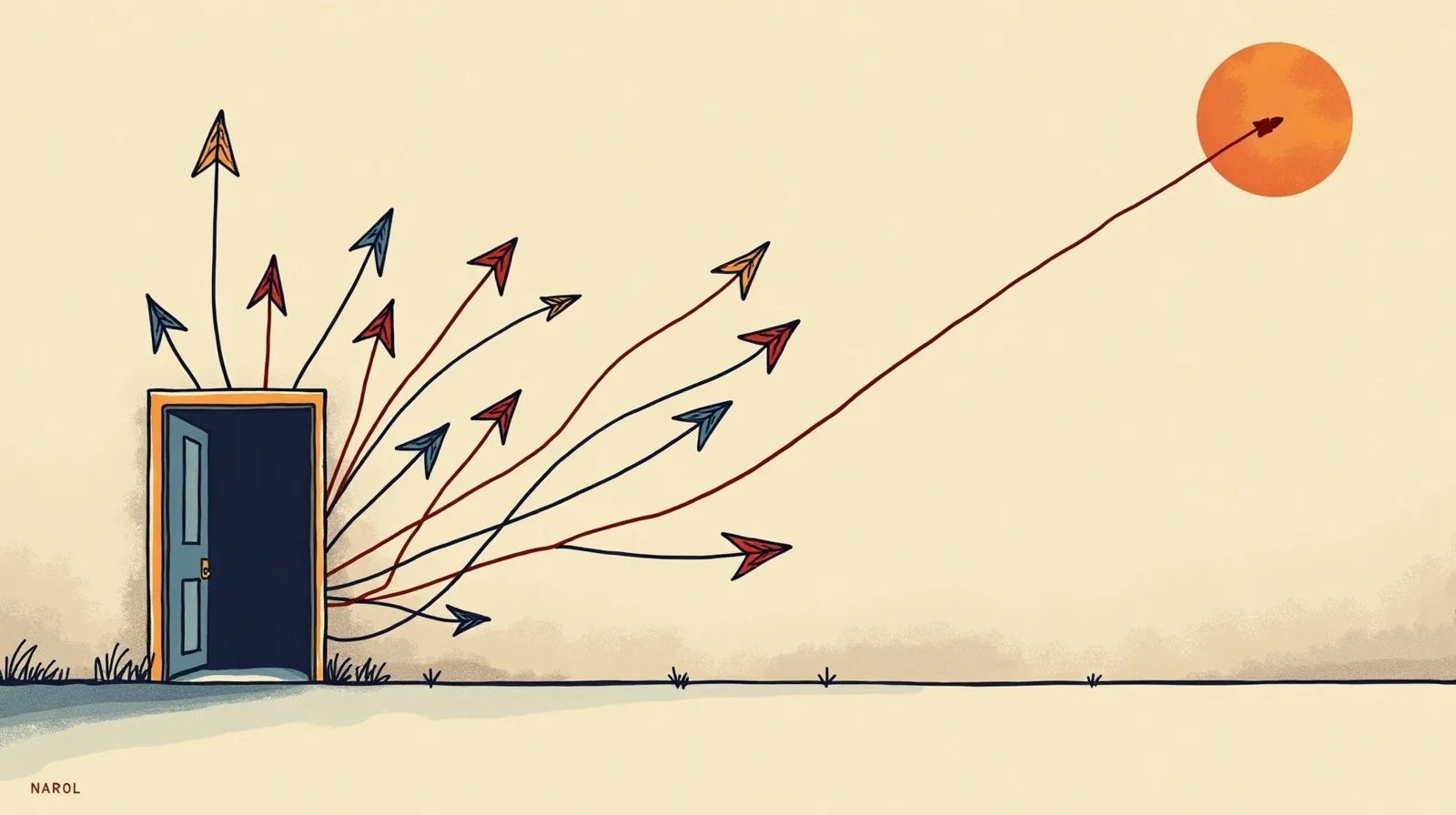

There’s a familiar arc to most budgets: a burst of motivation, a fresh spreadsheet with fifteen tidy categories, two impressive weeks — and then one busy Friday of takeout and a forgotten car registration quietly ends the whole project. If that arc sounds like yours, the problem probably isn’t discipline. Most budgets fail because they’re written for an imaginary person — someone who never buys a last-minute birthday gift, never replaces a flat tire, and genuinely enjoys logging receipts at ten p.m. A budget you’ll actually keep gets built the other way around: it starts with the person who already does the spending.
Start by Watching, Not Cutting
The strongest first move is also the least dramatic: change nothing for a month and just look. Pull up the last thirty days of bank and card statements and sort what actually happened — not what should have happened. Most people find two or three genuine surprises: the subscriptions that quietly stack up, the “quick stops” that total more than the electric bill, the fees hiding in plain sight. The point isn’t shame; it’s information. General money guidance tends to agree on this much: you can’t steer spending you’ve never measured, and a budget built on real numbers has a fighting chance where one built on hopeful guesses is just a plan to feel bad in three weeks.
Fewer Categories, Kinder Numbers
Once you know where the money goes, resist the urge to build something elaborate. Fifteen categories is a filing system; five or six is a budget. The versions that survive share a few traits:
- Keep the buckets big. Home, food, transport, fun, future — broad categories you can sort in seconds beat micro-categories you’ll abandon by week three.
- Budget for the irregular. Gifts, car repairs, school fees, the vet — these aren’t emergencies, they’re just infrequent. A small monthly set-aside turns them from budget-killers into line items.
- Give fun a real line. A budget with no room for pleasure doesn’t get obeyed — it gets abandoned. Deciding how much fun you can afford is the budget working, not failing.
- Automate the boring parts. Bills and savings that move on their own the day after payday don’t depend on you having a good day.
- Leave slack on purpose. A plan that only works in a perfect month will fail eleven months a year. Padding isn’t weakness; it’s realism.
Make the Check-In Tiny
The graveyard of abandoned budgets is full of elaborate monthly reviews that never happened twice. Swap them for something almost insultingly small: ten minutes, once a week, same time, ideally with coffee. Glance at each bucket, note what’s running hot, and move a little money between categories if you need to. That’s it — no tribunal, no spreadsheet archaeology. And if you miss a week, you haven’t “fallen off” anything; you just look at fourteen days instead of seven. A budget is a habit, and habits survive on being easy to resume.
When It Breaks, Edit It
Here’s the reframe that keeps a budget alive past the honeymoon: overspending the same category three months running doesn’t mean you’re undisciplined — it means the number was wrong. Raise it, and shrink something that’s been quietly under-spent. A budget is a draft you revise, not a contract you break, and each edit makes it fit your life a little better. One honest caveat: this is general information about running a household budget, not individualized financial advice — for questions about debt strategy, investing, or your bigger financial picture, a qualified financial professional who knows your situation is the right stop.