The best argument for a stocked pantry is the night the fridge is bare, everyone is hungry, and takeout starts to feel inevitable. Pasta is the pantry’s answer. A shelf holding dried noodles, a few cans, olive oil, and garlic can produce a genuinely good dinner in the time delivery would take to arrive — not a sad compromise, but the kind of simple plate whole food cultures are built on. The trick is knowing the formula, and the five dinners that fall out of it.
The Formula Behind Every Pantry Pasta
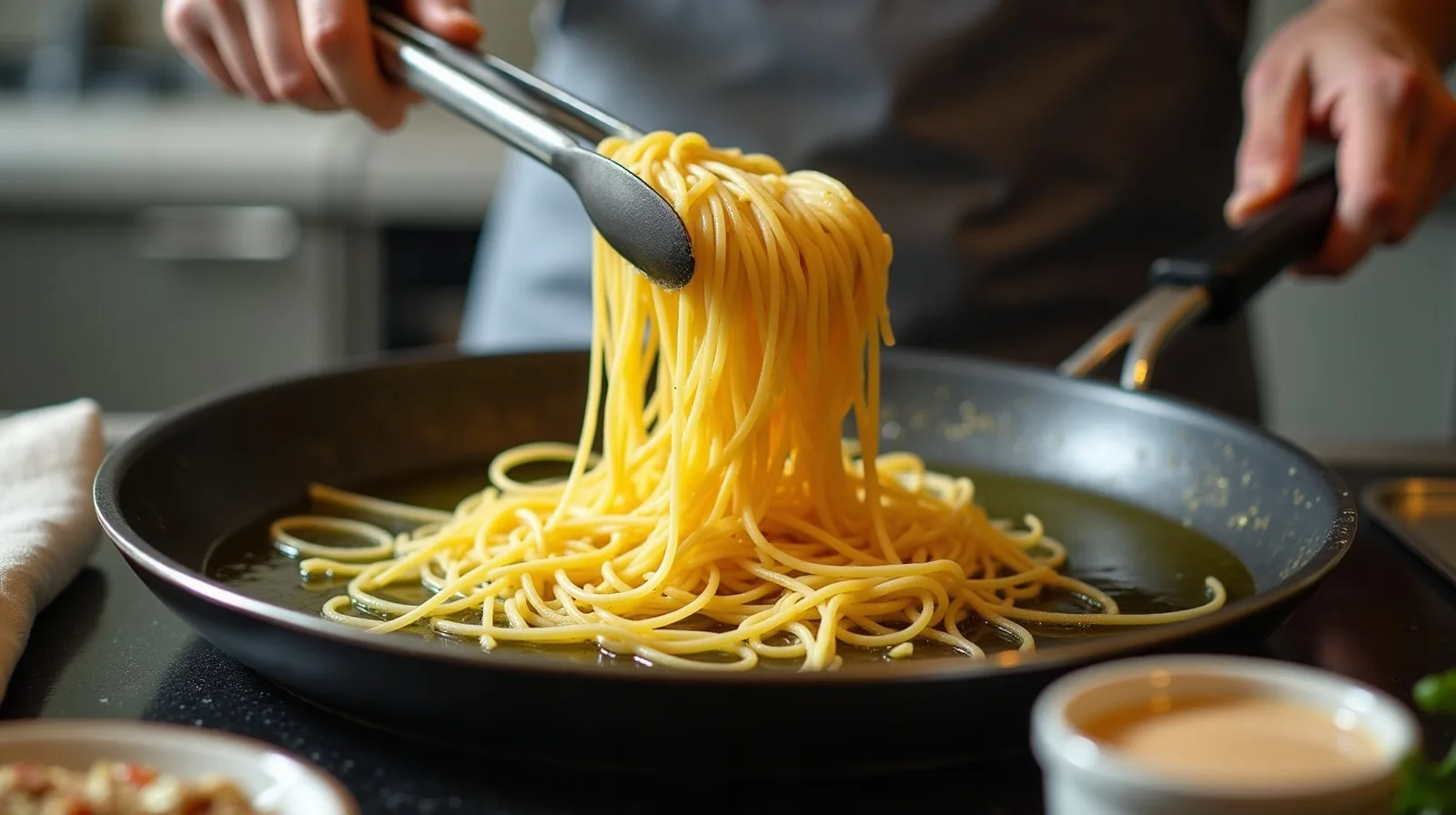
Nearly every great pantry pasta is the same sentence with different words: pasta, plus a fat, plus an aromatic, plus one or two big shelf flavors, finished with starchy cooking water. That last part is the professional secret hiding in your sink. Before draining, scoop out a cup of the cloudy pasta water; swirled into the pan off the heat, its starch turns plain oil or butter into a glossy sauce that actually clings. Two more habits complete the method: salt the boiling water generously, and pull the pasta a minute early so it finishes cooking in the pan, drinking up sauce as it goes.
Five Dinners Hiding on Your Shelf
- Garlic-and-oil spaghetti. Sliced garlic warmed gently in olive oil with a pinch of chili flakes, tossed with spaghetti and pasta water. Ten minutes, four ingredients, endlessly repeatable.
- The 20-minute red sauce. Canned tomatoes crushed with a spoon and simmered with garlic, olive oil, salt, and a pinch of sugar — better than most jars, for less.
- Tuna and caper pasta. Canned tuna, capers or chopped olives, garlic, and chili flakes, loosened with pasta water. Briny, savory, and no cheese required.
- Creamy chickpea pasta. Canned chickpeas, half of them mashed, simmered with garlic, tomato paste, and a little rosemary, then folded into small pasta shapes.
- Butter and cheese. Butter, a pile of finely grated hard cheese, plenty of black pepper, and pasta water whisked into a silky coat — the fridge-and-shelf classic that tastes far beyond its parts.
Small Tricks That Make It Taste Like More
A few upgrades cost nothing but attention. Toast tomato paste in the oil for a minute before adding anything wet — it deepens from tinny to rich. Toast breadcrumbs in olive oil with a pinch of salt for a crunchy topping that stands in for cheese. Raid the freezer for honorary pantry items: a handful of frozen peas or spinach dropped into the final minute of boiling counts as a vegetable with zero extra effort. And finish with something bright — a squeeze of lemon or a small splash of vinegar wakes up any of the five dinners above.
Stock the Shelf Once
The shopping list that makes all of this possible fits on an index card: a long pasta and a short one, olive oil, canned tomatoes, tomato paste, a head of garlic, chili flakes, canned tuna, canned chickpeas or white beans, and a wedge of hard cheese living in the fridge. Buy it once, then follow one rule — when you open the last can of anything, its replacement goes on the grocery list before the can hits the recycling. That single habit keeps dinner insurance permanently in the house for the cost of a takeout order or two a year.