
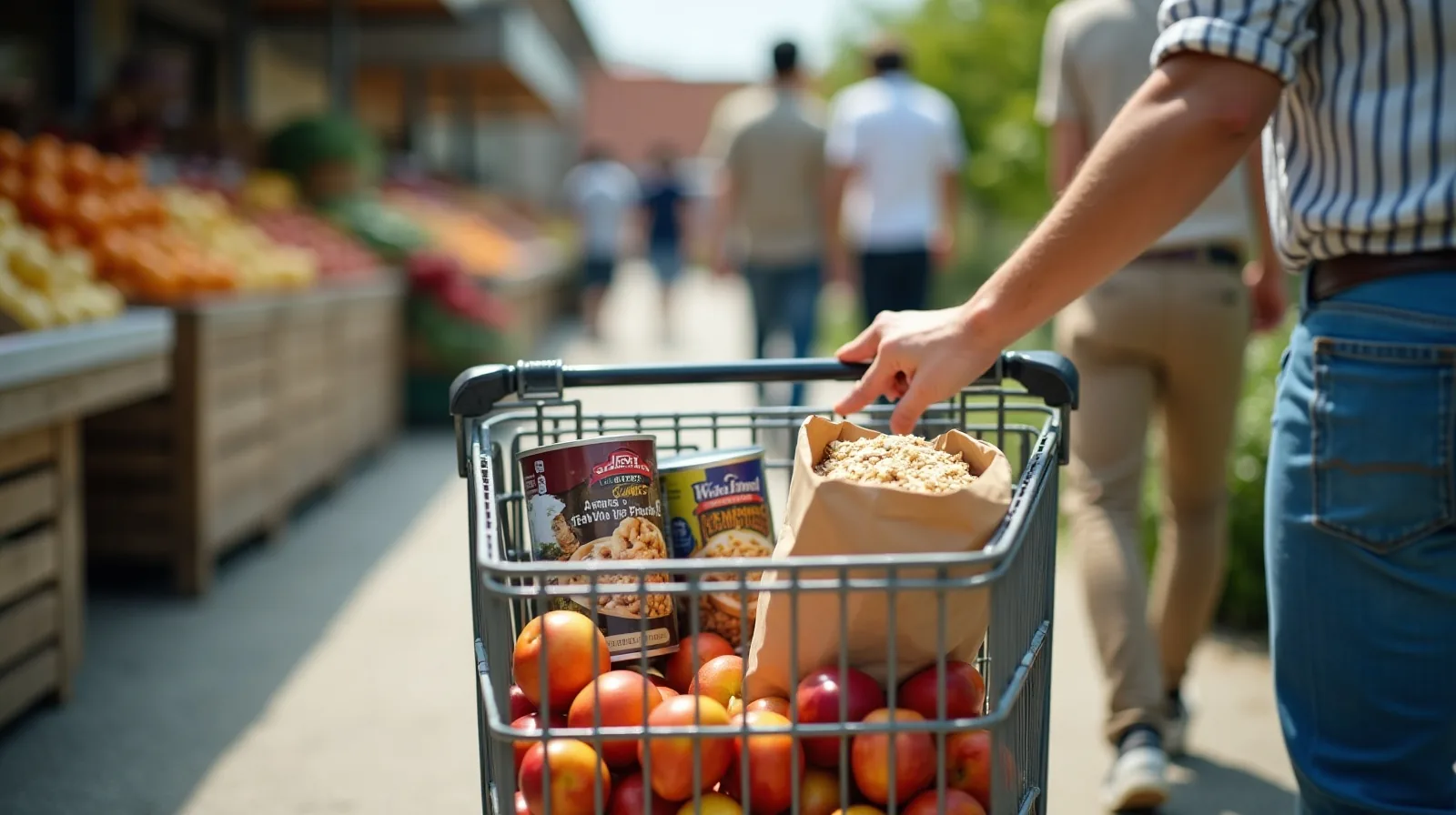
Few nutrition phrases have traveled from research journals to dinner-table anxiety faster than “ultra-processed foods.” Depending on the headline, they’re either the explanation for everything or an overhyped panic — and neither framing helps you at the grocery store. Strip away the news cycle, and the durable message from mainstream nutrition guidance is steadier and far less dramatic: most eating patterns would benefit from shifting the balance toward minimally processed foods — more things that look like their ingredients — without treating every packaged item as poison. That direction-over-perfection idea is worth understanding properly, because it’s much more doable than the headlines suggest.
Start With the Takeaway That Lasts
Nutrition research moves in headlines, but guidance moves in decades — and the through-line has barely changed: build meals around vegetables, fruits, whole grains, beans, nuts, and simply prepared proteins, and let heavily formulated products play a smaller role. The ultra-processed conversation is mostly a new lens on that old advice. It shifts attention away from single nutrients — fat, carbs, sugar — and toward how much of the diet is industrially formulated, which for many households turns out to be the majority of calories. The useful response isn’t alarm; it’s an honest look at the ratio in your own cart.
What “Ultra-Processed” Actually Means
Processing is a spectrum, and most of it is harmless or genuinely helpful. Frozen vegetables, canned beans, plain yogurt, bagged salad — all technically processed, all fine choices that make home cooking easier. “Ultra-processed” refers to something narrower: industrial formulations built from refined ingredients and additives — flavorings, colorings, emulsifiers, sweeteners — that you couldn’t reproduce in a home kitchen. The practical tell is the ingredient list: a long roster of things that aren’t foods. Even then the category is broad — a whole-grain packaged bread and a neon soft drink both technically qualify, and they are not equally worth worrying about.
What the Research Can (and Can’t) Say
Large studies have fairly consistently found associations between diets heavy in ultra-processed foods and poorer health outcomes, and that pattern deserves to be taken seriously. But most of this evidence is observational — it shows patterns, not proof of what causes what — and researchers are still sorting out how much is the processing itself versus the salt, sugar, and easy overeating that often ride along. Which is exactly why the sensible response is proportion, not panic:
- Crowd in, don’t just cut out. Adding vegetables, fruit, beans, and whole grains does more good than agonizing over every wrapper.
- Upgrade your defaults. Swap the everyday items first — daily bread, breakfast, snacks, drinks. The foods you eat most often move the needle most.
- Read ingredients, not just calories. A short, recognizable list is a better guide than any front-of-package health claim.
- Keep the helpful shortcuts. Canned beans, frozen produce, jarred tomatoes, and plain yogurt are processed allies that make home cooking happen at all.
- Skip the moralizing. A packaged snack in an otherwise reasonable week is a food choice, not a character flaw.
Make the Shift You’ll Actually Keep
Overhauls fail; ratios improve. Pick one meal — breakfast is usually the easiest — and rebuild it around simpler foods, then let the change settle before touching anything else. Cook a little more often, even imperfectly; a mediocre home dinner is usually a nutritional upgrade over its convenience-food equivalent. And keep perspective: sleep, movement, stress, and budget shape health too, and a diet you can afford and sustain beats an immaculate one you abandon within a month. If you have a medical condition, a history of disordered eating, or you’re considering a major change to how you eat, talk it through with your doctor or a registered dietitian first — general guidance is a direction, not a prescription.