Ask a fourteen-year-old how their day was and you get one word back. Ask again and the word gets shorter. The natural reading is that a wall has gone up, and the natural response is to push harder against it, which reliably produces even less. Most teenagers are not refusing to talk. They are refusing to talk on demand, face to face, about a topic somebody else picked, at a moment they did not choose. Change those conditions and the same kid will talk for forty minutes about something you never asked about.
Timing Does More Than Technique
Teenagers open up in narrow, unpredictable windows: late at night when they should be asleep, in the ten minutes after practice, on the drive home from somewhere. The windows rarely line up with a parent’s energy or schedule, which is exactly why they get missed. Being available beats being scheduled. A sit-down conversation announced in advance almost always feels like a summons, while the same subject raised sideways during a shared chore lands as ordinary talk.
It also helps to stop treating silence at the wrong moment as rejection. A teenager who says nothing at six o’clock may say plenty at eleven, and the only way to find out is to still be awake and unbothered when they wander into the kitchen.
Sit Shoulder to Shoulder
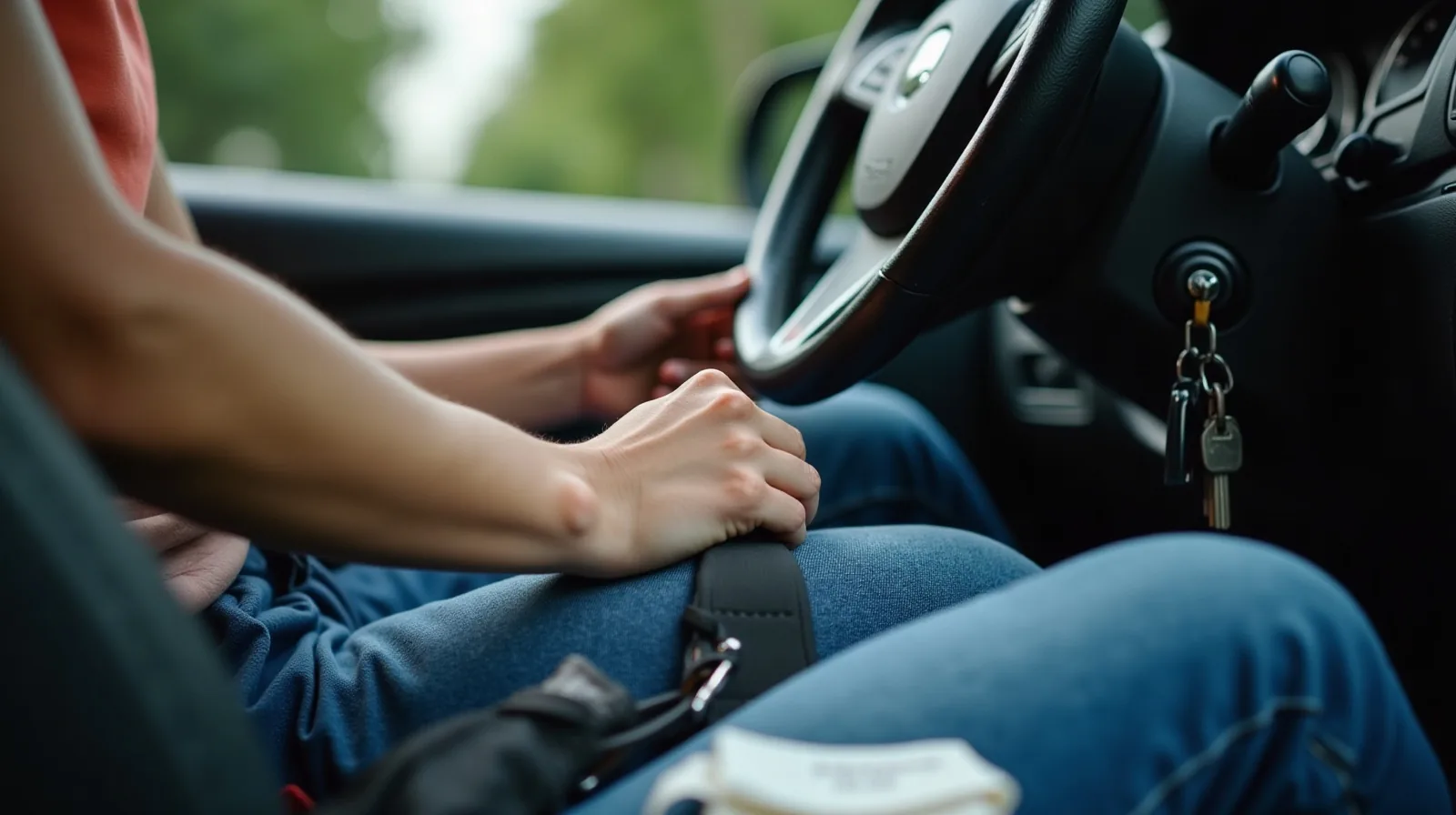
Direct eye contact raises the pressure in a conversation, which is useful when you need attention and counterproductive when you want disclosure. Side-by-side settings do the opposite. A car, a sink full of dishes, a walk with the dog, a shared task in the garage: all of them give both people somewhere else to look and something else to do. Pauses stop feeling like failures. And there is a built-in exit, because either person can let the subject drop without having to leave the room.
Small Moves That Change the Odds
None of these are scripts. They are adjustments to how a conversation starts and how much room it has to breathe.
- Swap the daily interrogation. Instead of asking how the day was, ask what the funniest thing that happened was, or who they ended up sitting with at lunch. Specific questions get specific answers.
- Ask about the world, not about them. Opinions on a song, a rule at school, or something in the news are far easier to offer than feelings, and they often open the door to the rest.
- Count to ten before filling a pause. Most people wait about two seconds. A teenager assembling a difficult sentence often needs longer than that.
- React to the content, not the delivery. An eye roll attached to real information is still real information. Respond to what was said and let the tone go.
- Ask what they want from you. A simple question like whether they want help thinking it through or just want to complain about it saves both of you a fight.
Let the Silence Do Some Work
The strongest tool in these conversations is the one that feels most uncomfortable. When a teenager stops mid-thought, the adult instinct is to fill the gap with a question, a reassurance, or an opinion, and each of those closes the door a little. Silence held for a few extra seconds signals that there is room for more, and quite often more arrives. If the pause stretches painfully, a short neutral prompt keeps it open without steering it: a quiet “huh,” or repeating back the last few words they said.
Resist Solving It Too Fast
A teenager describing a problem is usually testing whether it is safe to describe a bigger one. Jumping straight to a solution answers a question they did not ask, and it delivers an unintended message: that the point of talking is to receive instructions. Reflecting the situation back first, in your own words and without editorializing, does more to keep them going than any advice would.
The same applies to alarming news. Whatever the internal reaction, the outward one sets the price of honesty next time. Save the visible worry for later, ask a couple of clarifying questions, and if what you hear points to persistent hopelessness, harm, or a real safety risk, treat that as a reason to bring in a doctor or a counselor rather than something to manage alone at the kitchen table.