Every stain guide promises miracles, and most of them read like a chemistry final. Here’s the honest version: the majority of everyday stains come out with three or four things you already own, applied quickly and in the right order. The catch is that the details matter — the treatment that lifts coffee will set blood, and the dryer will bake almost anything in permanently. What follows is the short, reliable playbook: what to do in the first minute, how to match the fix to the mess, and one safety rule about mixing cleaners that is genuinely non-negotiable.
The First Minute Matters Most
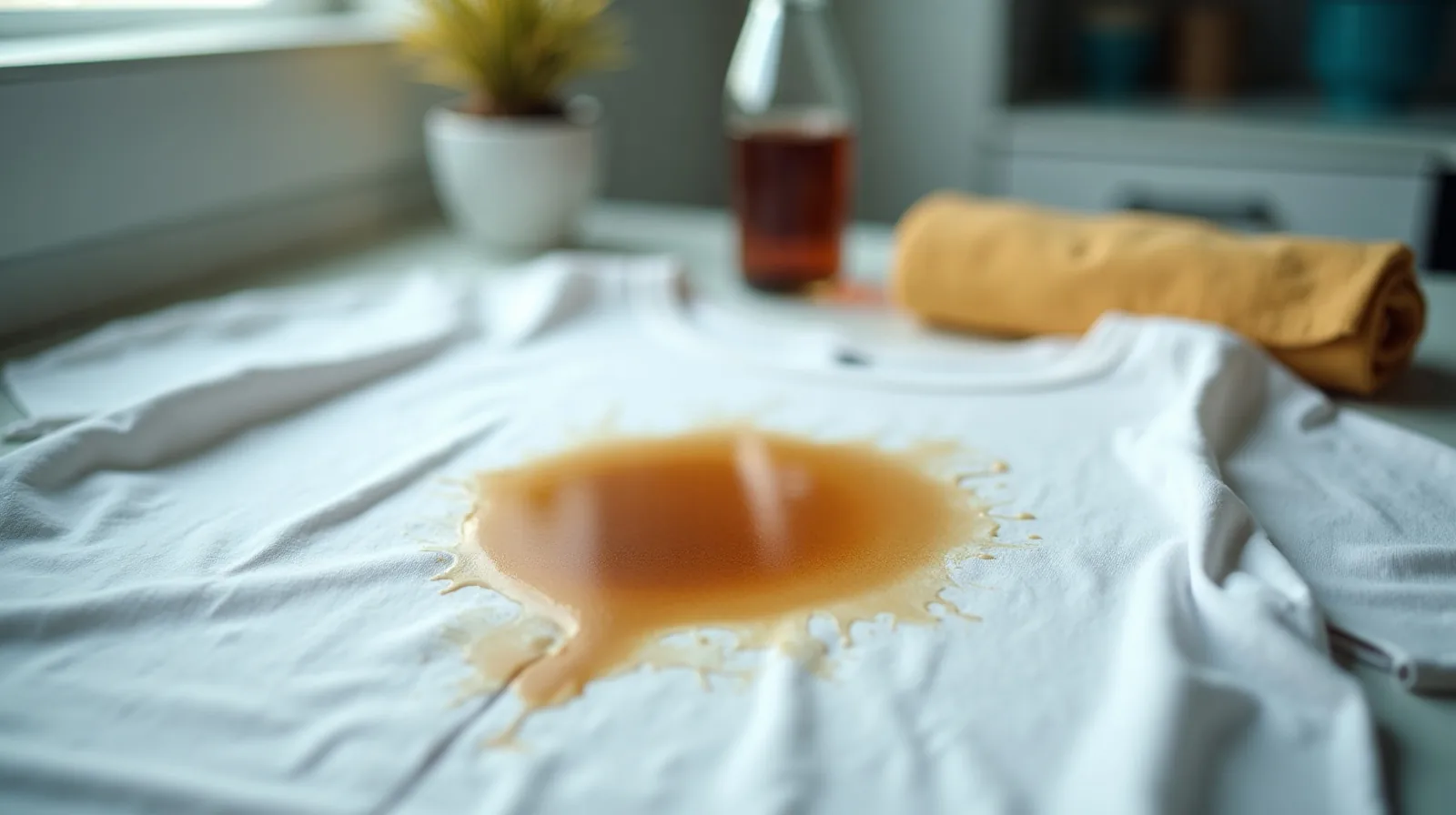
Speed beats every special product. A fresh stain is sitting on the fibers; an old one has moved in. So the first move is always the same: blot, don’t rub — press a clean cloth or paper towel onto the spot and lift the liquid out, working from the edge toward the center so you don’t spread it. Rubbing grinds the stain deeper and roughs up the fabric. Then flush with cold water from the back of the fabric, pushing the stain out the way it came in. Cold, not hot: heat cooks protein stains like blood, egg, and dairy into the fibers, and it doesn’t help much with anything else at this stage.
Match the Treatment to the Stain
Once the excess is out, the right treatment depends on what made the mark. A handful of pairings cover nearly everything:
- Coffee and tea. Cold rinse, then a few drops of liquid dish soap worked in gently; for stubborn ghosts on white fabric, a soak in an oxygen-based bleach solution before washing.
- Grease and oil. Dish soap is the star — it’s designed to break down fat. Work it into the dry fabric, let it sit ten minutes, then wash in the warmest water the care label allows.
- Blood and other protein stains. Cold water only, as soon as possible; an enzyme laundry product helps with anything already dried. Hot water is the mistake you can’t undo.
- Red wine and berries. Blot, flush with cold water, then treat with an oxygen-based stain remover. Table salt buys a little time on a fresh spill, but it isn’t the cure.
- Grass. Rubbing alcohol dabbed on first breaks down the green pigment, followed by dish soap and a normal wash.
- Ink. Rubbing alcohol on a cotton ball, blotted from behind with a clean towel underneath to catch the ink as it releases.
Never Mix Cleaning Chemicals
This is the rule that matters more than any stain: use one product at a time, and never combine them. Chlorine bleach mixed with ammonia — an ingredient in many glass and all-purpose cleaners — releases toxic chloramine gas. Bleach plus vinegar or any other acid releases chlorine gas. Even hydrogen peroxide and vinegar, two “gentle” pantry staples, form a corrosive acid when combined in the same container. The danger isn’t only deliberate mixing: applying a second product before the first is fully rinsed out counts too. So rinse thoroughly between attempts, work with a window open, and if one treatment fails, wash the item completely before trying a different chemistry.
The Dryer Is the Point of No Return
An air-dried failure is a second chance; a machine-dried failure is usually forever. Heat sets whatever stain remains, so check the spot after washing while the garment is still damp — stains are easier to see wet, and easier to re-treat. If any shadow remains, repeat the treatment and wash again rather than crossing your fingers at the dryer door. Hang the item to dry between attempts. Two or three patient cycles will rescue clothes that a single hopeful toss into the dryer would have ruined — and patience is free.