
Budget travel has a reputation problem: the phrase conjures pre-dawn airport floors, six-bed dorm rooms, and vacations that require a vacation afterward. But comfort and cost aren’t the strict trade-off the upgrade menus want you to believe. Most of what makes a trip feel comfortable — enough sleep, unhurried days, not being lost at midnight — is cheap or free, and much of what’s expensive is comfort you barely register after the first hour. Traveling well on a budget is mostly a matter of spending on the right discomforts.
Comfort Is a Budget Line, Not a Luxury
Start by naming the discomfort that actually ruins trips for you. Some people genuinely cannot function after a bad night’s sleep; others sleep anywhere but wilt without a real breakfast; others just need to not be rushed. That one thing gets funded properly, every time, without guilt — and everything else becomes fair game for saving. This is the whole strategy. Budget travelers who feel comfortable aren’t spending more overall; they’ve stopped spreading money thinly across upgrades they don’t care about and concentrated it on the one that matters.
The Best Comfort-per-Dollar Moves
Some choices buy far more ease than they cost:
- Travel slower. Fewer destinations means fewer packing mornings, transfer days, and logistics headaches. Three towns feel like a trip; seven feel like a job — and the slower version is usually cheaper.
- Pay for location before amenities. A plain room you can walk home to beats a nicer one forty minutes out. You’ll skip the late-night transit math every single day.
- Arrive in daylight. Choosing the arrival that lands before dark costs little and removes the most stressful hour of any trip — navigating somewhere new, tired, in the dark.
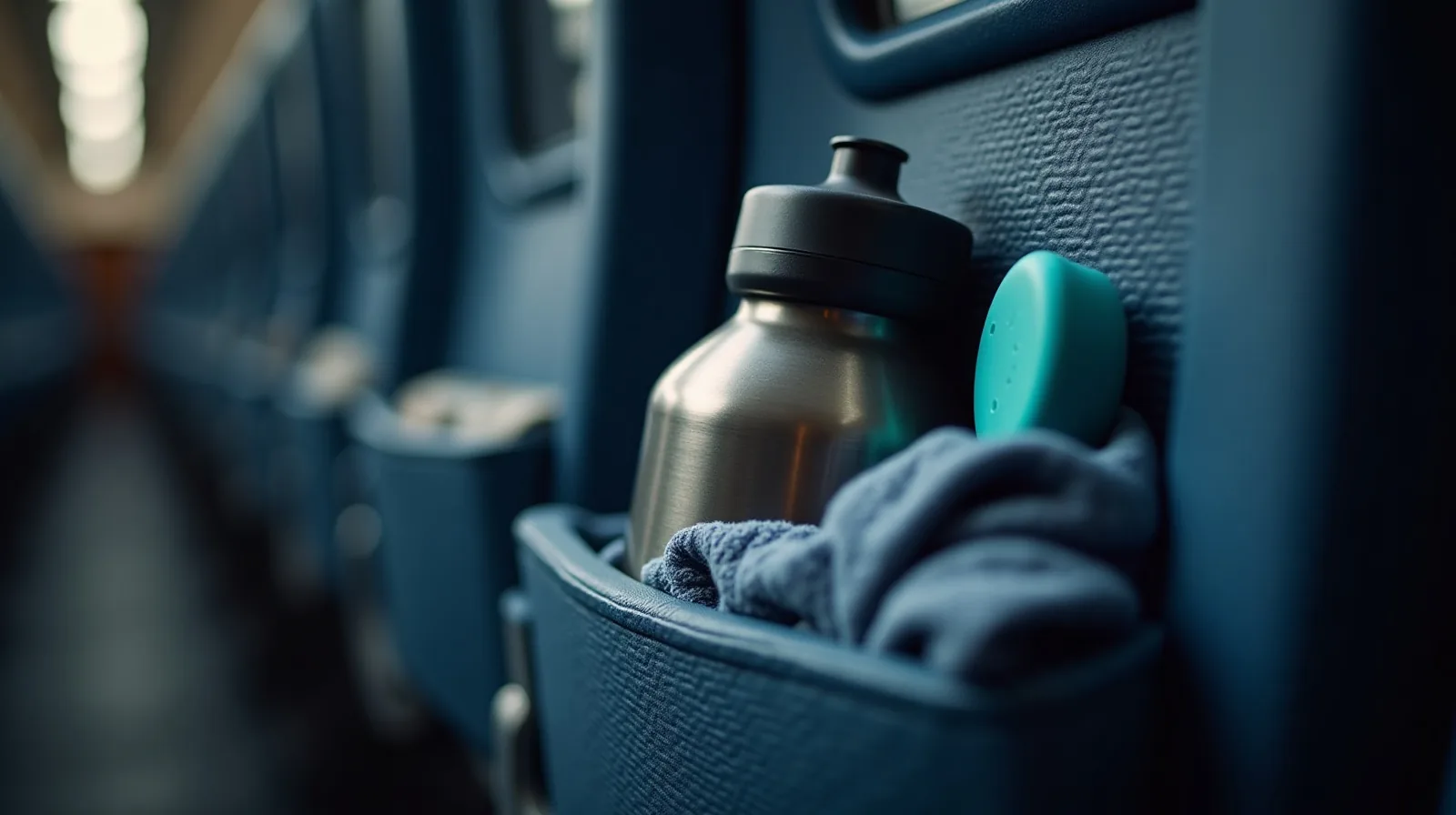
- Carry a small comfort kit. A sleep mask, earplugs, a warm layer, a refillable water bottle, and a snack turn a hard travel day into a manageable one for a few dollars.
- Eat one real sit-down meal a day. Market food and picnic lunches keep costs down; one unhurried table meal keeps the trip from feeling like rationing.
Let Timing Do the Heavy Lifting
The single biggest comfort upgrade in travel is invisible on any receipt: going when other people don’t. Shoulder season — the weeks on either side of a destination’s peak — usually brings lower prices and thinner crowds, shorter lines, easier reservations, and locals with more patience left. Midweek beats weekends for the same reason. It’s the rare travel decision where the cheap option and the comfortable option are the same option, and it costs nothing but flexibility.
The Comforts That Are Free
Finally, protect pace. An itinerary with one anchor activity per day and real blank space around it feels luxurious at any price point, because the scarce resource on a trip was never thread count — it’s not being rushed. Build in the slow breakfast, the aimless walk, the second coffee while a square fills up around you. Those are the moments people describe when they say a trip was wonderful, and no upgrade menu sells them.