Every container scraped into the trash on clean-out day is money making a round trip: bought, cooked, chilled, and discarded without feeding anyone. Households toss a startling share of the food they pay for, and leftovers are where much of it goes to die — not because anything was wrong with them, but because nobody wanted the same dinner twice. The fix isn’t discipline or a lecture about waste. It’s two small skills: making leftovers visible, and knowing a few ways to turn them into something that doesn’t feel like a rerun.
Why Good Food Gets Tossed
Leftovers rarely die of spoilage first — they die of invisibility and boredom. Opaque containers pushed to the back of the fridge might as well not exist; by the time they resurface, time has made the decision for you. So run an eye-level rule: leftovers live on one designated shelf at eye height, in clear containers, labeled with a strip of masking tape and a date. Then plan for the boredom honestly. A reheated plate of the exact same meal is a hard sell on day two, which is why the real skill isn’t reheating — it’s remixing: letting last night’s dinner become an ingredient instead of an encore.
Remix Formats That Swallow Almost Anything
A handful of flexible formats can absorb nearly any combination the fridge produces:
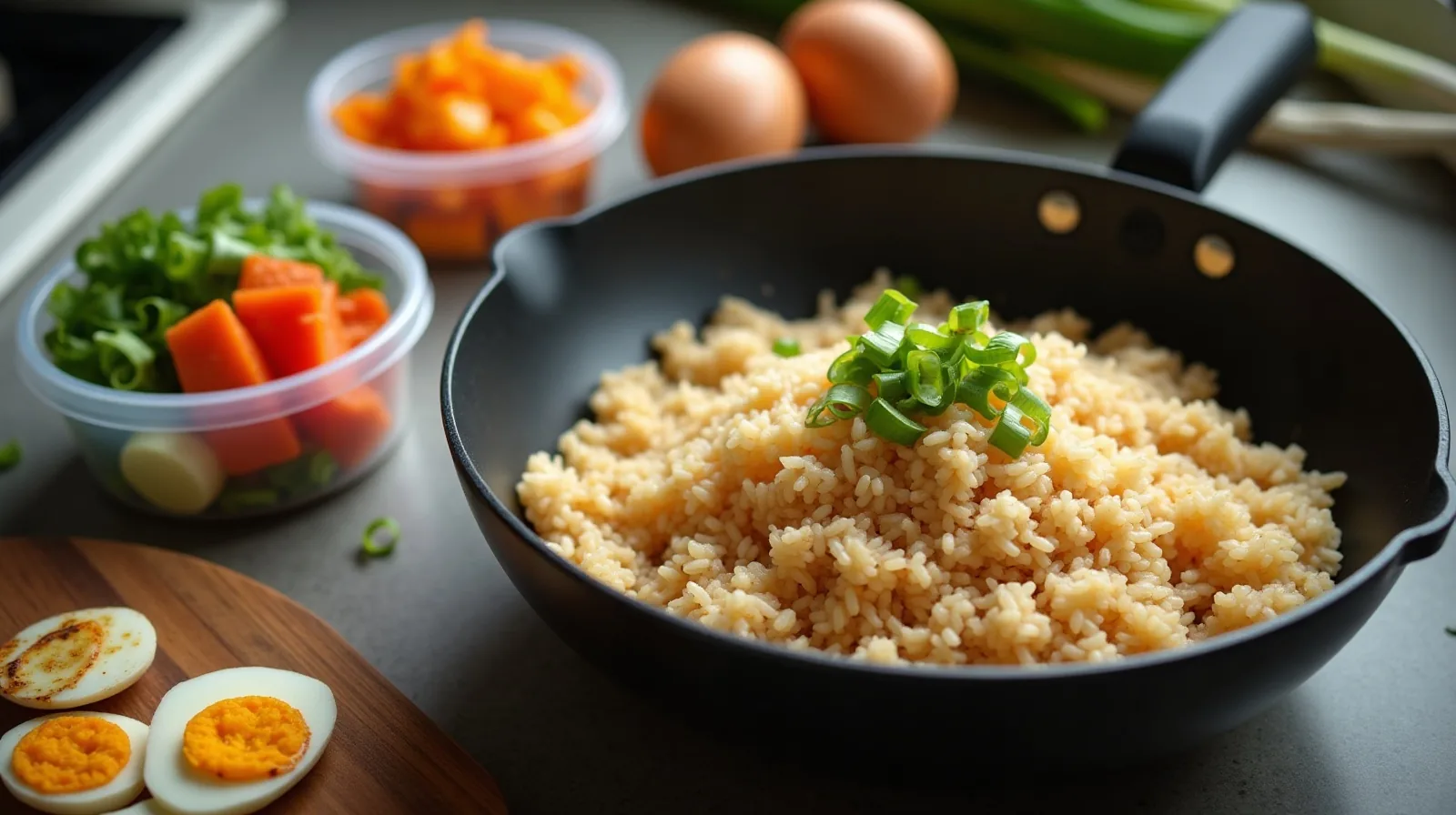
- Fried rice. The champion. Day-old rice, yesterday’s roasted vegetables, the last bit of chicken or pork, an egg, and something salty — ten minutes in a hot pan.
- A frittata. Eggs turn odds and ends — cooked potatoes, wilting greens, stray cheese — into a legitimate dinner or weekend brunch.
- The soup pot. Roasted vegetables, rice, beans, and small amounts of meat all belong in a pot with broth and a slow simmer.
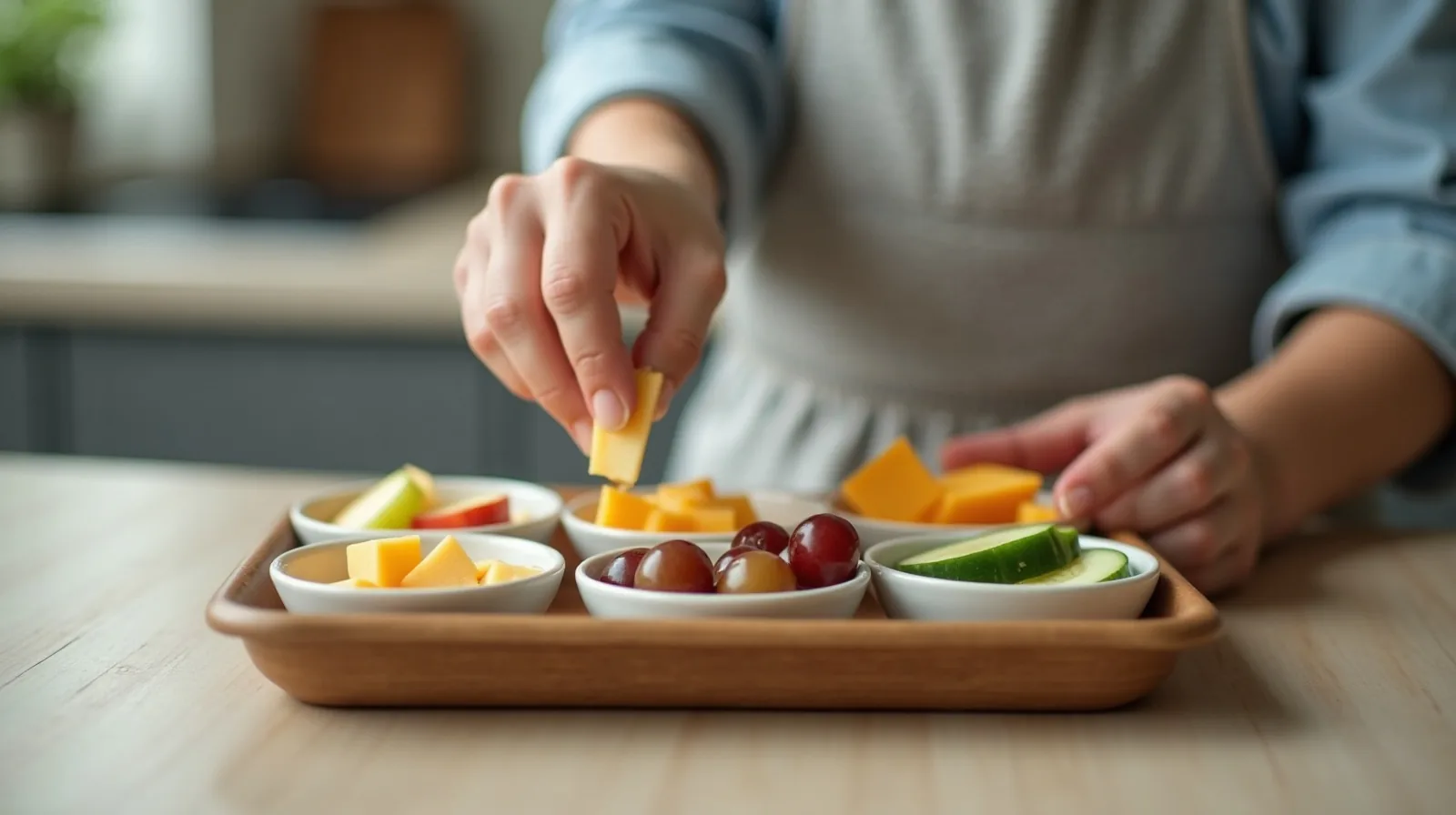
- Quesadillas and wraps. Almost any savory leftover, chopped small and paired with melted cheese, becomes a meal kids will actually claim.
- The grain bowl. A scoop of grains, whatever vegetables and protein remain, and a quick dressing — leftovers rebranded as lunch.
The Food-Safety Part (It’s Mostly Common Sense)
Remixing only works with leftovers worth eating, and the rules here are blessedly simple. Food-safety guidance generally points toward refrigerating leftovers within about two hours of cooking, in shallow containers so they chill quickly, and eating them within three to four days — the date on the masking tape settles any debate. Reheat until steaming hot throughout, not just warm at the edges. Cooked rice deserves a little extra respect: get it into the fridge promptly rather than leaving it out all evening. And the oldest rule still outranks the rest: when in doubt — an off smell, a strange texture, a container of mysterious age — throw it out. No meal is worth the gamble.
Cook Like Leftovers Are the Plan
The final upgrade is to stop treating leftovers as an accident. Deliberately doubling the rice, roasting an extra tray of vegetables, or cooking one more portion of chicken costs minutes tonight and hands tomorrow a head start — cooks call it “cook once, eat twice.” Give the plan a landing spot by naming one dinner a week — the night before shopping day works well — as the official clean-out meal, when the eye-level shelf gets emptied into a fried rice, a soup, or a fend-for-yourself buffet. An empty fridge on shopping day isn’t deprivation. It’s the receipt for a week where everything got eaten.