Every cook knows the moment: dinner is done, technically. It’s hot, it’s cooked through, and it tastes like almost nothing. The instinct is to shrug and reach for the ketchup, but the real fix is nearly always already in the cabinet. A small handful of spices — used the right way, which is not the way most of us use them — can move a pot from beige to genuinely good in under a minute. The trick is knowing which jars pull the most weight, and what to do before you open any of them.
First, Rule Out the Two Usual Suspects
Before blaming the spice rack, check salt and acid — because “bland” usually means one of them is missing, and no amount of paprika can cover for either. Salt doesn’t make food salty so much as it makes every other flavor audible; underseasoned food tastes muffled, like a song with the volume down. Acid — a squeeze of lemon, a splash of vinegar — adds the brightness that makes rich or starchy dishes taste alive. So taste the dish, add a pinch of salt and a small hit of acid, and taste again. Half the time, dinner is fixed right there. The other half, you now have a properly seasoned canvas — and the spices below get to add character instead of doing damage control.
The Six Jars That Do the Most Work
- Smoked paprika. Instant depth and a whisper of campfire — transformative on eggs, roasted potatoes, beans, and anything creamy.
- Cumin. Warm and earthy; the fastest route to making beans, rice, and ground meat taste intentional instead of accidental.
- Garlic powder. Not a lesser garlic — a different one: sweeter, evenly distributed, and impossible to burn. It seasons a whole dish the way fresh cloves can’t.
- Red pepper flakes. A pinch adds energy well before it adds real heat — wilted greens, pasta, and soups all wake up.
- Freshly ground black pepper. Pre-ground pepper is mostly dust; whole peppercorns cracked fresh are practically a different spice, floral and sharp.
- Curry powder. An entire spice cabinet in one jar — a teaspoon rescues bland soups, roasted vegetables, and plain rice on the spot.
Bloom Them — Don’t Dust Them
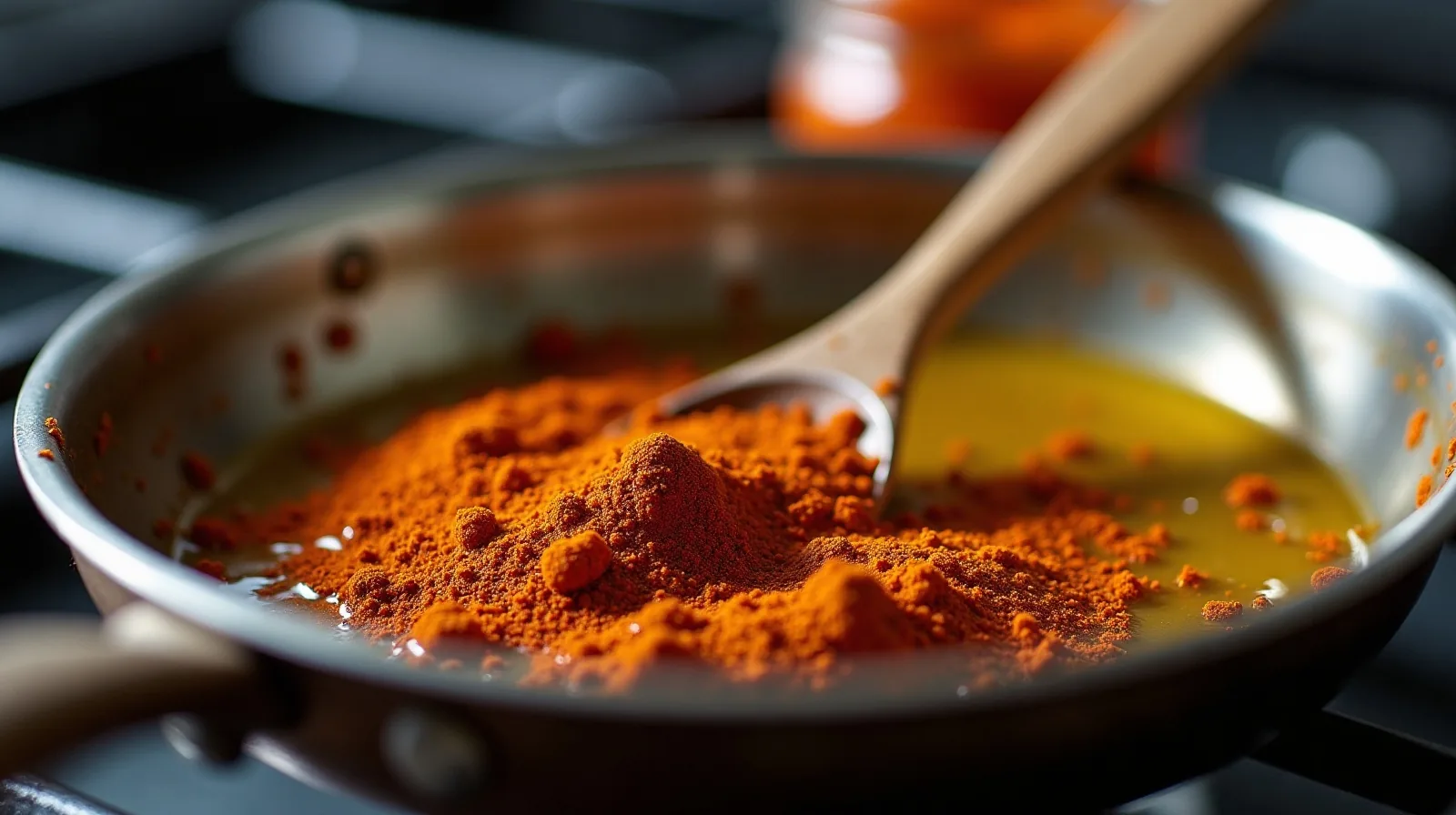
Here’s the single biggest upgrade in how spices get used: most of their flavor compounds dissolve in fat, not water, and they need a little heat to open up. Sprinkled raw over a finished dish, ground spices taste dusty and harsh — which is why the pot of chili that got its chili powder at the end never tastes quite right. Instead, bloom them: push the food aside (or start a small pan), warm a spoonful of oil or butter, stir the spices in, and let them sizzle for twenty or thirty seconds until fragrant. Then stir the whole slick, aromatic mixture back through the dish. It’s one extra minute, and it’s the difference between food with spices on it and food with flavor in it.
Fresh Jars, Light Hands
Two quiet rules finish the job. First, freshness: ground spices fade steadily, and a jar that barely smells like anything will season like it, too. Give a jar the sniff test — faint aroma, faint dinner — and replace the workhorses roughly once a year, buying small so nothing sits for a decade. Second, restraint: start with about half a teaspoon for a pot that serves four, stir, wait a minute, and taste before adding more. You can always escalate; you can’t un-cumin a soup. Earthy spices like cumin and curry powder like to go in early so they mellow, while black pepper and red pepper flakes shine when they land near the end. Salt, acid, bloom, taste — that’s the whole rescue.