
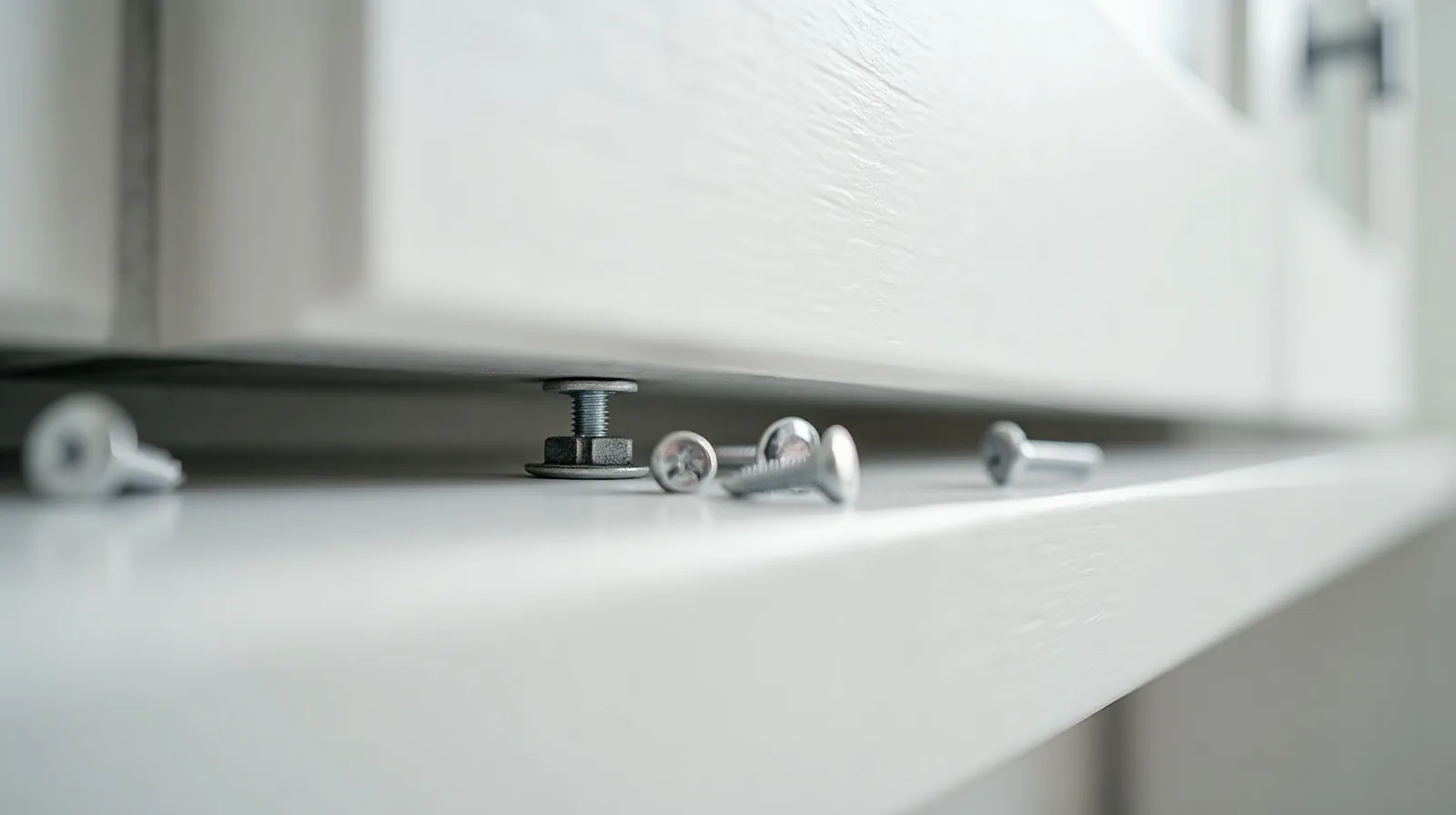
Every home keeps a quiet running list: the cabinet door that droops, the bathroom drain that’s gotten thoughtful, the toilet that runs a beat too long after every flush. None of it is broken enough to call someone about, so it all just stays. Here’s the secret the list doesn’t want you to know: most of it is a fifteen-minute fix with tools you may already own. Learning a handful of basic repairs won’t make you a contractor — but it will make you the person whose house slowly gets better instead of slowly getting worse.
A Small Toolbox Covers Almost Everything
Skip the 200-piece kit. The starter set that handles the vast majority of household fixes fits in one small box: a screwdriver with interchangeable bits, an adjustable wrench, slip-joint pliers, a claw hammer, a tape measure, a utility knife, a small level, painter’s tape, and a flashlight or headlamp. Add a tube of wood glue, a small tub of spackle, and a can of multipurpose lubricant, and you’re equipped for years of small victories. Buy decent mid-range versions once rather than replacing bargain ones twice.
The Fixes Worth Learning First
Start with repairs that are forgiving — low stakes, cheap parts, hard to make worse:
- Loose hinges and handles. Half of what “feels broken” in a kitchen is a loose screw. Snug them gently and stop at resistance — over-tightening strips the hole. If a screw only spins, fill the hole with a toothpick dipped in wood glue, snap it flush, and re-drive.
- A slow drain. Reach for a plunger or an inexpensive plastic drain snake before chemicals — most bathroom clogs are hair sitting just below the stopper.
- Nail holes and scuffs. Spackle, let it dry, sand smooth, touch up the paint. Ten minutes per wall, and the whole room reads cleaner.
- A running toilet. Usually a worn flapper — a few dollars at any hardware store. Shut off the toilet’s supply valve, swap it, done.
- A squeaky door. A drop of lubricant on each hinge pin, swing the door a few times, wipe the drips.
Learn Slow, Prepared, and Reversible
The professional habit worth copying isn’t speed — it’s preparation. Before starting anything, watch one short walkthrough of the exact repair, then find your shutoffs: the little valve behind the toilet or under the sink, and the main water valve for the whole house (knowing where that one lives is worth more than any tool you’ll ever buy). Photograph the assembly before you take it apart, keep screws in a cup, and bring the old part to the store so the replacement matches. And wear safety glasses whenever anything might spring, snap, or spray — which is more often than it sounds.
Know Exactly Where the Line Is
Confidence should come with a boundary, and this one is bright: anything involving the electrical panel, gas lines, the roof, structural walls, or plumbing buried behind walls belongs to a licensed professional — those jobs can hurt you or your house, and permits often apply. Even for the small stuff, adopt two non-negotiables: switch off the breaker before touching anything wired (a light fixture counts), and never work from a wobbly perch — a stable step stool beats a leaning chair every time. Calling a pro at the right moment isn’t a failure of DIY spirit; it’s the most experienced move in the book.