
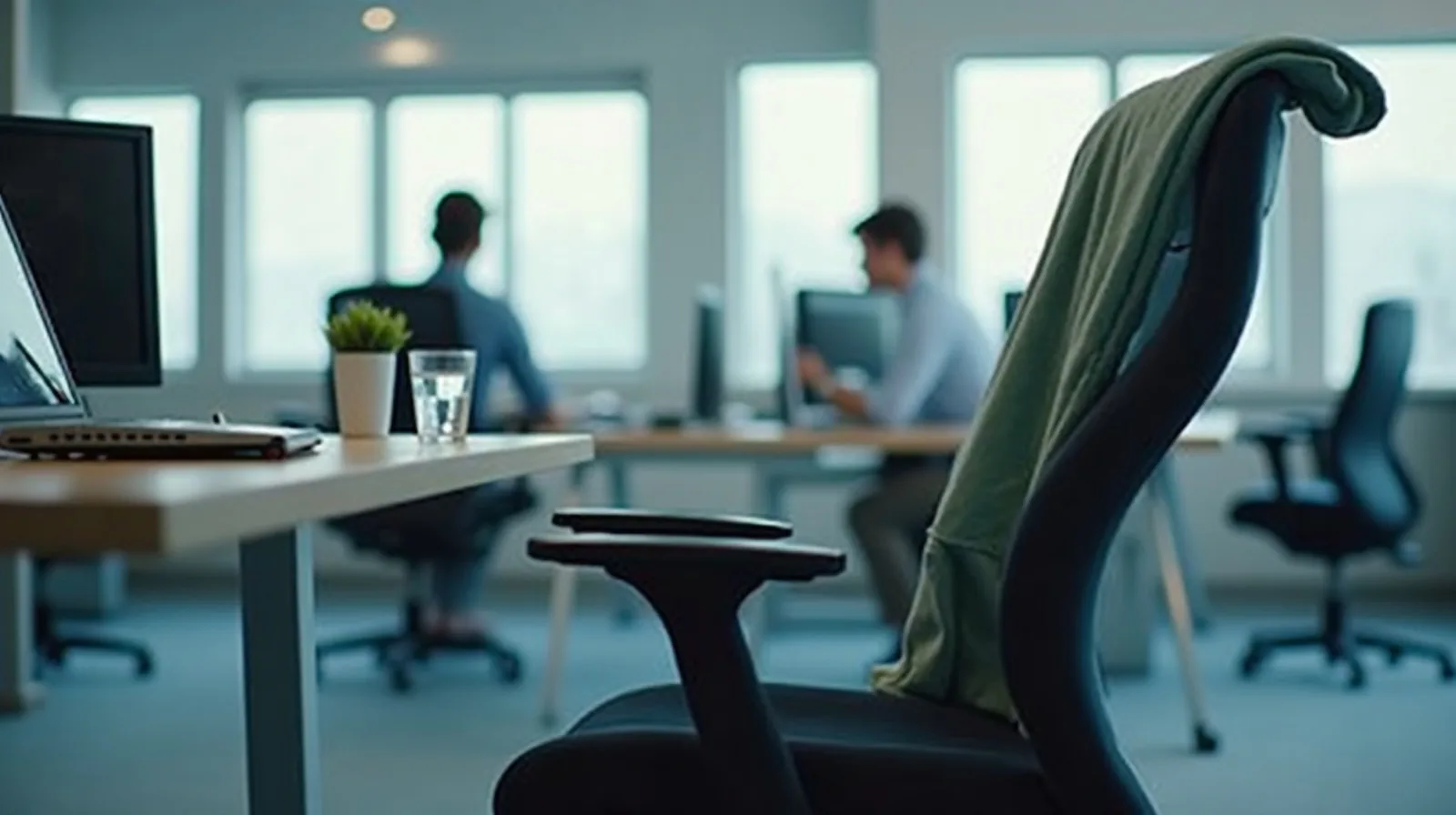
The standard advice for desk workers — get up every half hour, stretch in the hallway, maybe do a few squats by the printer — runs into one very human problem: almost nobody wants to exercise in front of their coworkers. So the advice gets skipped, and the sitting continues uninterrupted from coffee to lunch to the end of the day. The workaround isn’t more willpower; it’s choosing movement that doesn’t look like movement. A surprising amount of honest muscle work can happen below the desk and behind a neutral expression, and nobody around you will ever know.
Why Tiny Movements Are Worth Doing
Long unbroken stretches of sitting are the real issue — public health guidance generally points toward breaking them up often, on top of whatever formal exercise you do. Small contractions and position changes keep blood moving, wake up muscles that go quiet in a chair, and interrupt the slow slide into a rounded-shoulder slump. None of this replaces a real workout, and it isn’t meant to; think of it as the difference between a body that idles all day and one that keeps ticking over. Frequency is the whole game: a few seconds of effort, many times a day, beats the heroic stretch session you keep postponing.
The Invisible Repertoire
Each of these can be done mid-meeting, mid-email, or mid-phone-call without a visible twitch above the desk:
- Leg extensions. Straighten one knee until the leg is parallel to the floor, hold for five to ten seconds, lower slowly. Alternate sides — the thighs do quiet, honest work.
- Glute squeezes. Clench, hold for five seconds, release. Nobody in the history of offices has ever detected one.
- Seated calf raises. Heels up, pause at the top, lower with control. Your shoes stay under the desk where they belong.
- Ab bracing. Sit tall and tighten your midsection as if someone were about to poke it — keep breathing — and hold for ten seconds.
- Shoulder-blade squeezes. Draw the shoulder blades down and together, hold, release. The exact opposite of the keyboard hunch.
- Ankle circles. Slow circles in each direction. Small, but feet and ankles otherwise spend the whole day doing nothing.
Attach Them to Things That Already Happen
The moves are easy; remembering them is the hard part, because no urge in the human body announces “time for calf raises.” So borrow triggers from the day you already have. Every phone call becomes calf-raise time. Hitting send on an email earns a set of glute squeezes. A file loading, a meeting waiting to start, a colleague telling a story with no ending — ab brace. Pair each move with one frequent, specific cue and the whole repertoire runs itself within a couple of weeks, so the workday starts generating movement instead of preventing it. Layer on the visible-but-normal stuff too: stand for calls when you can, take the long route to the far restroom, and refill a small glass of water instead of parking a giant bottle on the desk — the extra trips are the point.
Keep the Effort Honest (and Gentle)
Sneaky exercise should feel like effort, not strain. Keep breathing through every hold — clenching muscles against a held breath can briefly spike blood pressure, which is exactly what nobody needs at 2 p.m. on a Tuesday. Nothing here should hurt, pull, or tingle; if it does, stop and reassess your chair setup while you’re at it. And the usual honest caveat applies: this is general information, not a personal prescription. If you have blood pressure concerns, joint problems, a recent injury, or any condition that makes movement a question mark, check with your doctor or a physical therapist before adding even gentle new exercise to your routine.