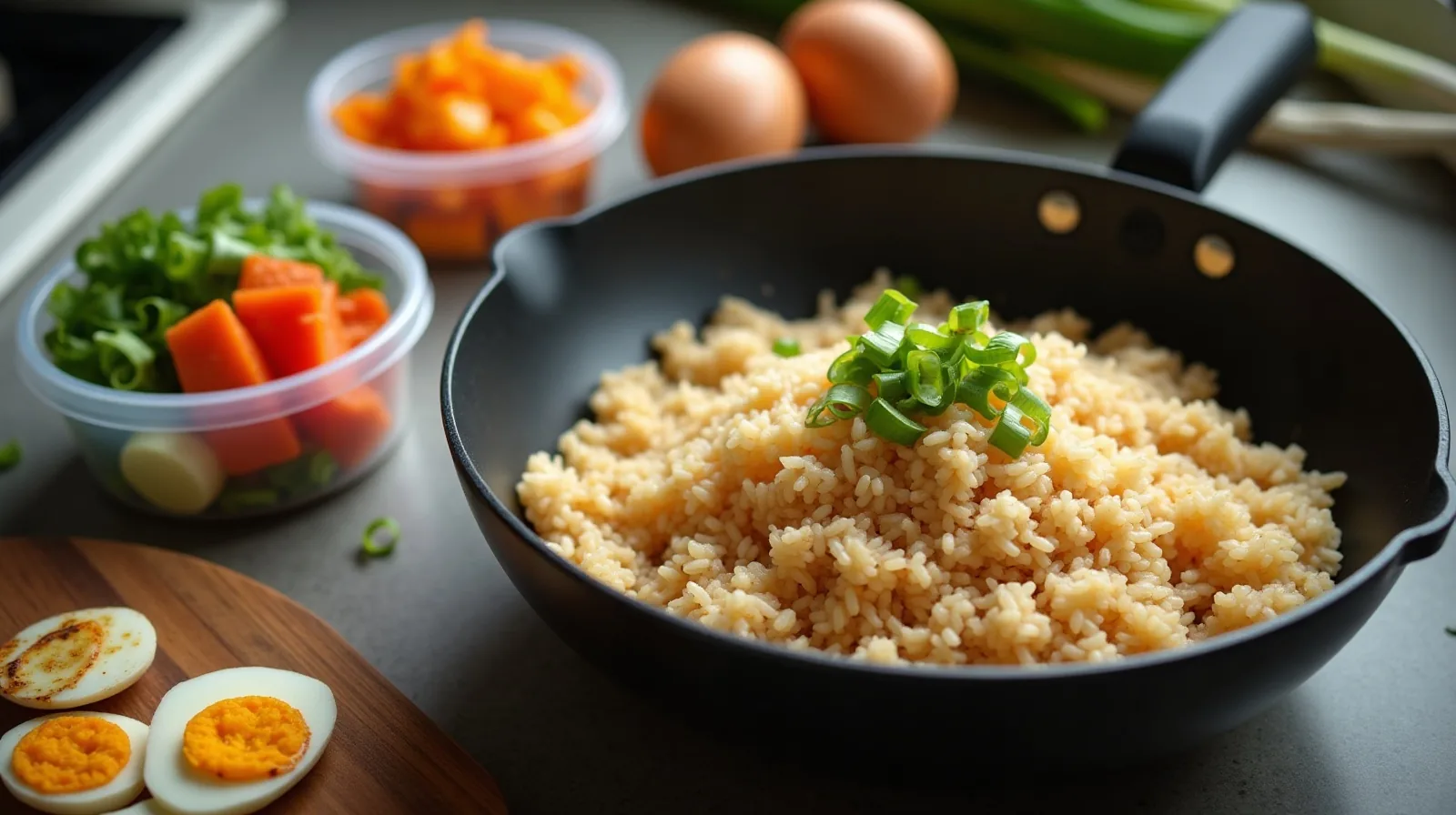

If protein seems to be everywhere lately — on menus, on package fronts, in every conversation about eating well — you’re not imagining it. But strip away the marketing layer and the durable idea underneath is smaller and more useful than the hype suggests: most people do better spreading their protein across the day’s meals instead of loading nearly all of it into dinner. That’s the takeaway worth keeping. Here’s where it came from, what it looks like on a plate, and where the caveats live.
Where the Advice Came From
Two steady lines of research pushed protein from gym subculture into general guidance. The first is satiety: meals with a reasonable amount of protein tend to keep people comfortably full for longer than meals built mostly on refined carbohydrates, which makes everyday eating easier to manage without white-knuckle willpower. The second is muscle: adults gradually lose muscle mass with age, and the body constantly breaks down and rebuilds muscle rather than banking protein for later. Research on muscle maintenance generally points toward regular protein through the day — paired with strength-type activity — supporting that rebuilding better than one huge evening dose. Neither finding is dramatic. Together, they explain why “protein at every meal” settled in as default advice rather than passing as a fad.
What It Looks Like on a Plate
Public health guidance generally sets a modest daily baseline for adults, and many nutrition experts suggest older and very active people benefit from somewhat more — but you don’t need to do math at breakfast. The plate-level version: something recognizably protein-rich at each meal, roughly a palm-sized portion, instead of toast in the morning, a pastry at lunch, and a giant portion at night. Everyday foods cover it without powders:
- Eggs. Quick, cheap, and flexible at any meal — not just breakfast.
- Dairy. Plain yogurt, cottage cheese, and milk turn snacks and light breakfasts into real meals.
- Beans and lentils. Protein plus fiber at pantry prices — the most underrated aisle in the store.
- Canned fish. Tuna, salmon, and sardines are shelf-stable protein that assembles into lunch in minutes.
- Tofu and soy. Mild, inexpensive, and happy to take on whatever flavor you cook it in.
What the Advice Isn’t
Protein’s halo has outgrown the evidence in places, so keep the claims trimmed. Extra protein doesn’t melt fat or build muscle on its own — activity does the building; protein just supplies materials. More is not endlessly better: beyond what the body can use, additional protein is simply calories, and protein-fortified snack foods are often ordinary snack foods with better marketing. Most people eating varied meals already land in a reasonable range without supplements. The advice was always about distribution and consistency, not maximization — which is exactly why it’s outlasted flashier nutrition trends.
Who Should Check First
One caveat is non-negotiable: people with kidney disease or reduced kidney function may need protein limited, not increased, and that call belongs to their doctor or a registered dietitian — it’s the clearest case where popular advice and personal medical guidance can point in opposite directions. The same professional check applies more broadly: this article is general information, and anyone managing a health condition — or planning a meaningful change to how they eat — will get better answers from a doctor or dietitian who knows their situation than from any general rule, including this one.