A power outage rarely arrives at a convenient time, and the first ten minutes are usually spent opening drawers in the dark. A small kit, built once and kept in a known place, turns an outage from a scramble into a mild inconvenience. It does not take much money or space, just a bin and an afternoon.
Start With a Single Home Base
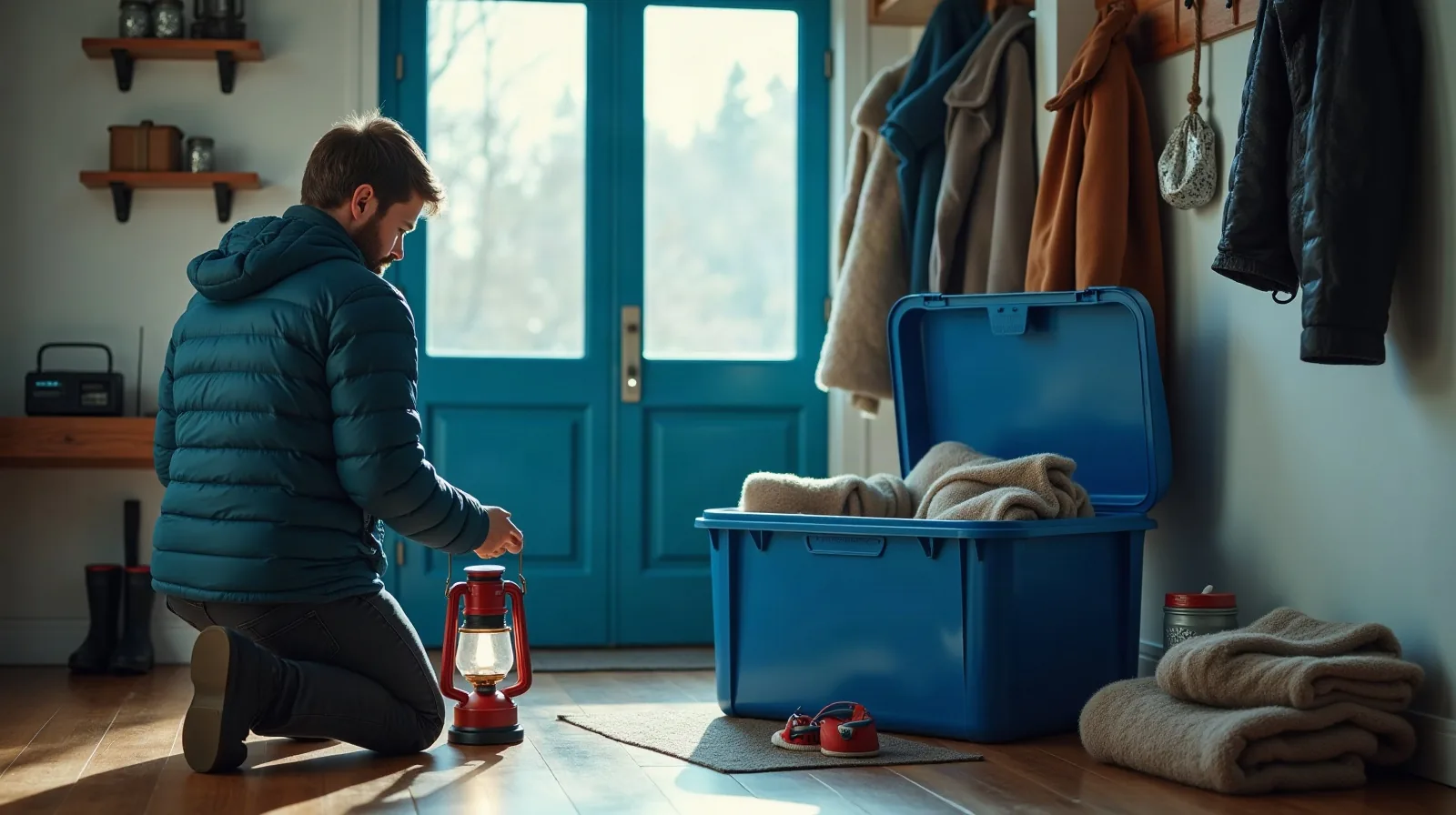
The most useful decision is where the kit lives. Pick one spot that is easy to reach without light, such as a low shelf near the entryway, a hallway closet or a mudroom bench. A bin with a handle works well because it can be carried to whichever room the household gathers in. Keep it out of the basement or garage corner where a flood or a pile of boxes could block it.
Next, put one small flashlight in a second place, such as a bedside drawer or the kitchen. Reaching the main kit is the second step; finding any light at all is the first.
What Goes in the Bin
A good kit covers four jobs: light, power, water and food, and warmth. Everything below is generic and inexpensive, and most households already own a few of them:
- Light. Two flashlights or headlamps and a battery lantern, with spare batteries stored in a separate bag. Battery light is safer than open flame indoors.
- Power. A fully charged portable battery pack and the right charging cables for each phone in the home.
- Information. A small battery or hand-crank radio for local updates when phone service is busy or the internet is down.
- Water and food. Bottled water and shelf-stable snacks that need no cooking, such as nut butter, crackers, granola bars and canned fruit with a manual opener.
- Warmth and comfort. A blanket per person, a few hand warmers in cold climates, and a deck of cards for the long evening.
Add any personal essentials that cannot wait, such as spare glasses or a written list of medications. Anyone who relies on medical equipment that needs electricity should talk with their doctor or equipment supplier about a backup plan, since a general kit cannot cover that need.
How Much Is Enough
Emergency preparedness guidance from public agencies commonly suggests planning for at least a few days of supplies, and the water figure is usually framed per person per day. Checking the current recommendation from a local emergency management office is a sensible way to set quantities, because needs differ with household size, pets, climate and any health conditions.
Start small if a full list feels like too much. A kit with working light, a charged battery pack and a day of water and snacks already beats having nothing, and it can grow a little each shopping trip.
Keep It Ready With Two Minutes a Season
A kit only helps if it still works. Tie a quick check to something that already happens twice a year, such as the clock change in spring and fall. Test each flashlight, swap any weak batteries, top up the battery pack, and rotate food and water before they expire. Move any snacks the household has been quietly raiding.
It also helps to agree on a few household habits ahead of time. Unplug sensitive electronics so a power surge on return does not damage them, keep the refrigerator door closed to hold the cold, and use flashlights rather than candles. Never run a generator, grill or camp stove indoors or in a garage, since the exhaust carries carbon monoxide.