
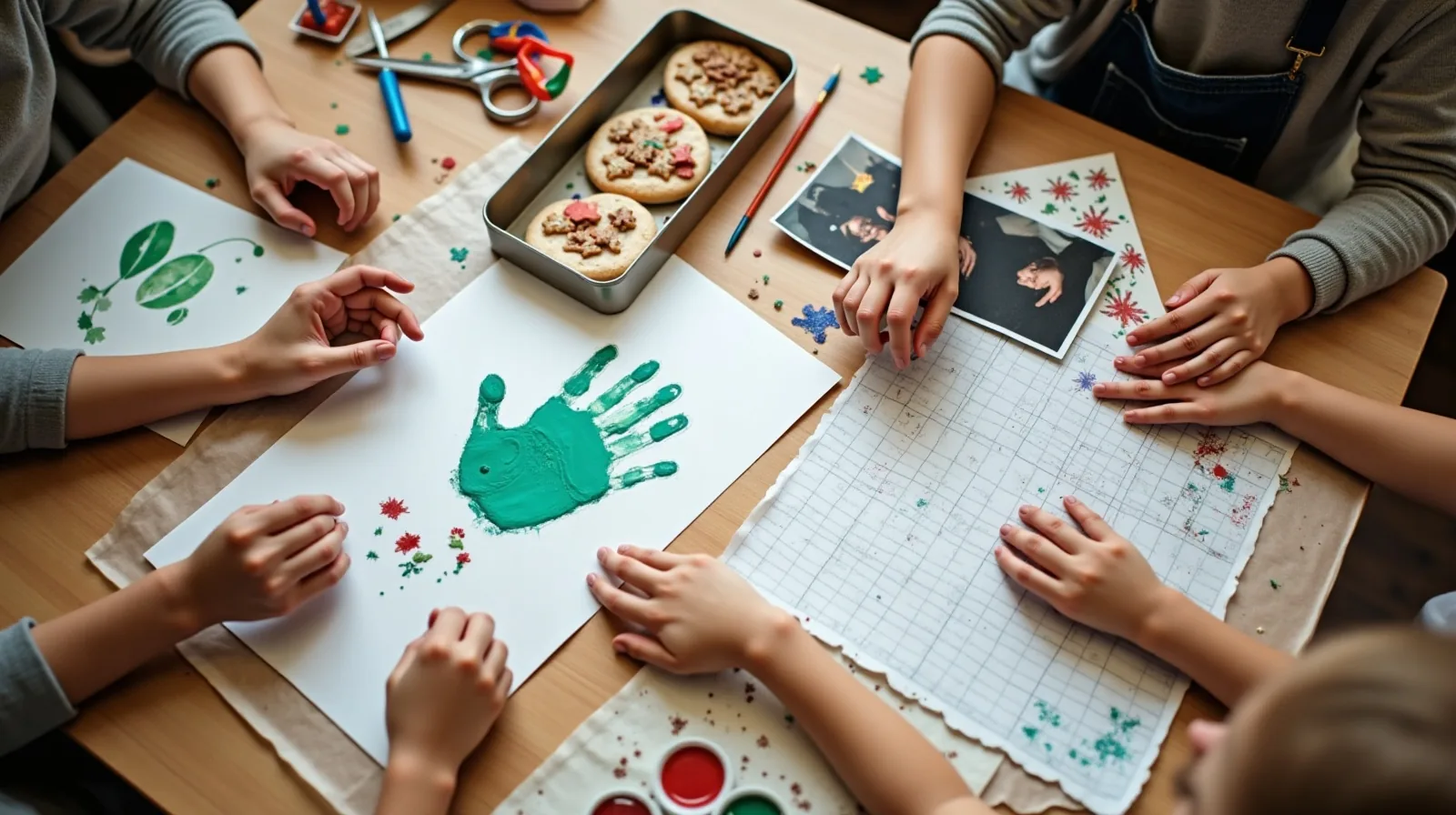
Grandparents are famously hard to shop for, and the reason is simple. By this stage they have bought what they need and quietly dread more of it arriving. What they do not have is more of the grandchild. A gift made by small hands solves a problem no store can: it carries evidence of a specific person at a specific age, which is the one thing that grows rarer every year. The trick is making something that gets used or looked at, rather than stored in a closet out of politeness.
What Makes a Homemade Gift Land
Three qualities separate a keepsake from clutter. It should be dated, because the whole value is the moment it captures, and a year from now nobody will remember whether that handprint was age four or six. It should be small or flat, because most grandparents are downsizing rather than expanding. And it should show the child rather than the craft supplies. A wobbly drawing signed in a child’s own hand beats a polished project an adult clearly finished. Neatness is not the point; the fingerprints are.
Five Gifts That Get Used, Not Stored
- A dated handprint keepsake. Painted on card stock, pressed into air-dry clay, or traced and cut out. Write the date and age on the back, repeat it every year, and a single craft becomes a series worth keeping.
- A small captioned photo set. Six or eight printed pictures in a slim album, each with a sentence dictated by the child and written down word for word. The captions age better than the photographs.
- A recorded story. A few minutes of the child telling a story, singing, or narrating an ordinary day, saved as an audio file and loaded onto something simple to press play on.
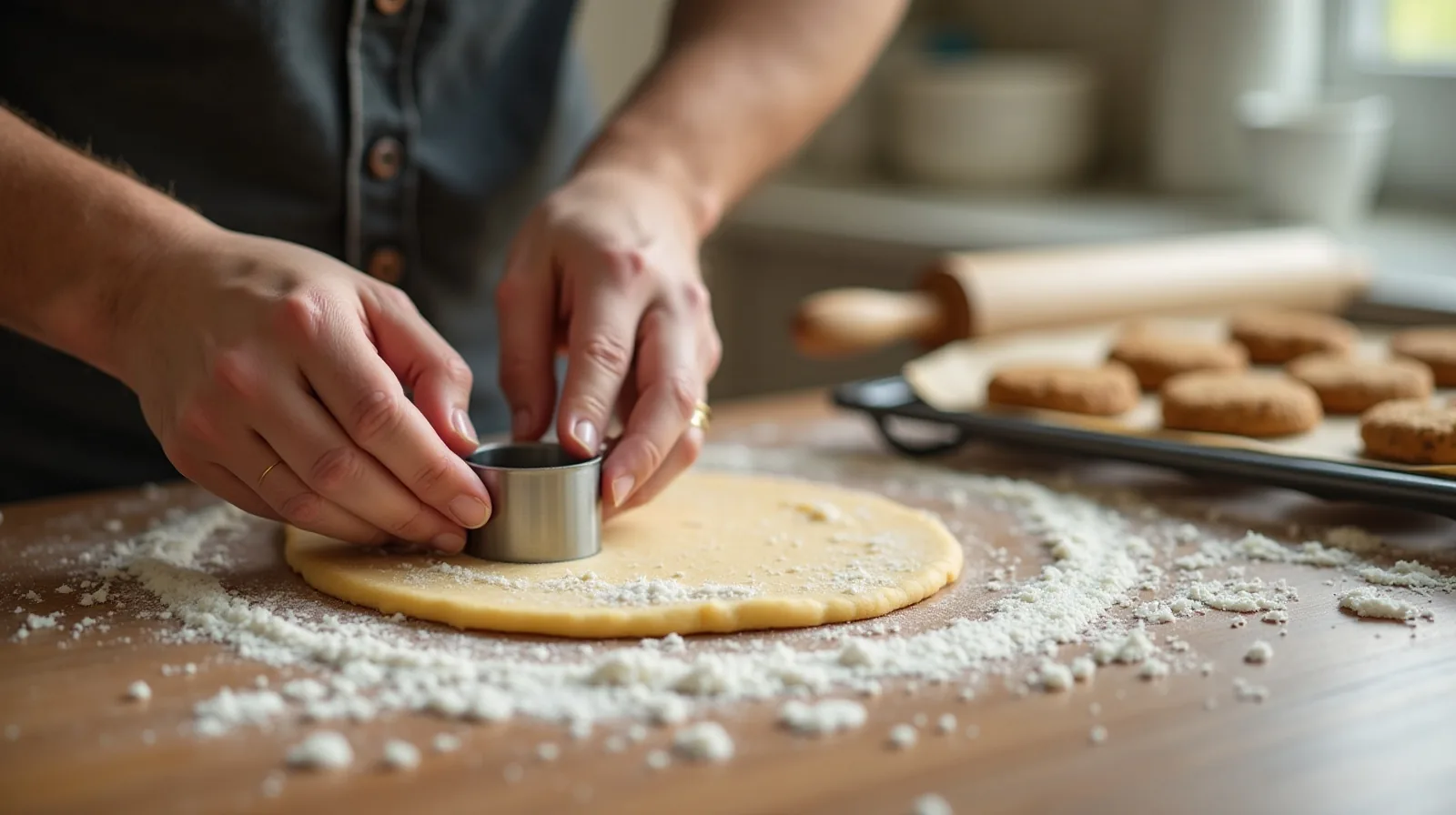
- Something baked. A tin of a plain cookie or quick bread the child genuinely helped make, with the recipe copied out by hand and tucked under the lid.
- A made calendar. Twelve months, one drawing each, family birthdays already filled in. It hangs somewhere visible and does a real job all year long.
Recording a Story Without a Studio
The audio gift is the one people underestimate, partly because a voice at four is unrecognizable at fourteen and nobody thinks to save it. Any phone records well enough. Sit somewhere soft and quiet, since carpet and curtains do more for sound than any setting, hold the phone a hand’s width away, and give the child a prompt rather than a script: describe the walk to school, tell the story of the lost tooth, sing the song from the car.
Two or three minutes is plenty. Leave the stumbles and the giggles in, because those are the parts that get replayed. Make it easy to hear without a login or a download, since a gift that needs tech support is a chore in a bow.
Matching the Task to the Age
The gift lands harder when the child did the part they are actually capable of. Toddlers press, stamp, stick, and choose colors, and an adult handles everything with an edge or a temperature. Four- to six-year-olds cut with safety scissors, dictate captions, stir, and decorate. Seven- to ten-year-olds can measure, write, plan a layout, and manage a whole small project with a check-in rather than a hovering supervisor.
Resist tidying the work. An adult straightening every line ends up with a nicer object and a worse gift, and the child usually notices the correction more than the compliment.
Wrapping, Timing, and the Handover
Start earlier than feels necessary. Paint dries slowly, clay wants a day or two, and prints ordered the night before arrive after the visit. Working two weekends out keeps the project fun instead of frantic.
Let the child do the handing over and say what it is in their own words, even if the explanation is confusing. If the gift is going in the mail, tuck in a short note giving the date and the child’s age, so the keepsake stays labeled long after everyone has forgotten. That single line turns a nice afternoon into something kept in a drawer for twenty years.