The message arrives twenty minutes out: someone is stopping by. Panic tidying usually means scrubbing one thing beautifully while the visible mess stays exactly where it was. A guest who is there for an hour registers a surprisingly short list, and almost none of it involves the state of the baseboards. Working in the right order turns five real minutes into a room that reads as calm. The whole method is triage: fix what gets seen, ignore what does not, and stop when the timer does.
What Guests Actually Register
Attention follows a path. People notice the entry, whatever sits at eye level in the first room they settle into, the surface closest to their seat, and the bathroom. They also notice smell and light before anything else, usually without knowing it. What goes unnoticed: the inside of any closed door, the floor under the furniture, a stacked sink they never walk past, and dust above shoulder height. Stand in the doorway for ten seconds and look where a stranger would look. That sightline is the entire job.
The Order That Beats Random Tidying
Run these in sequence and stop wherever the clock runs out, because the earlier steps carry the most weight.
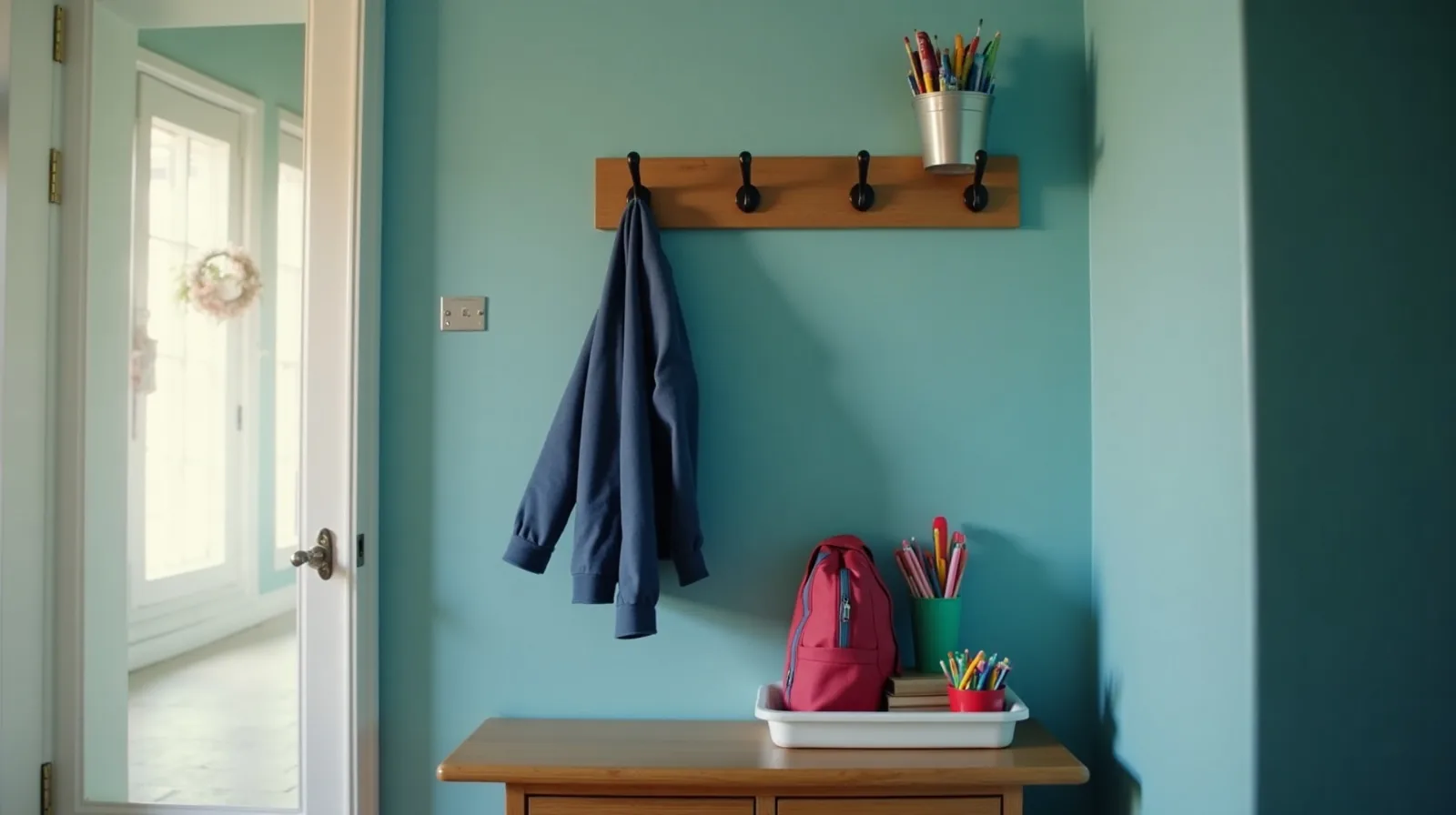
- Clear the path in. Shoes, bags, and mail by the door make the first impression. Move them to one spot outside the sightline before anything else gets touched.
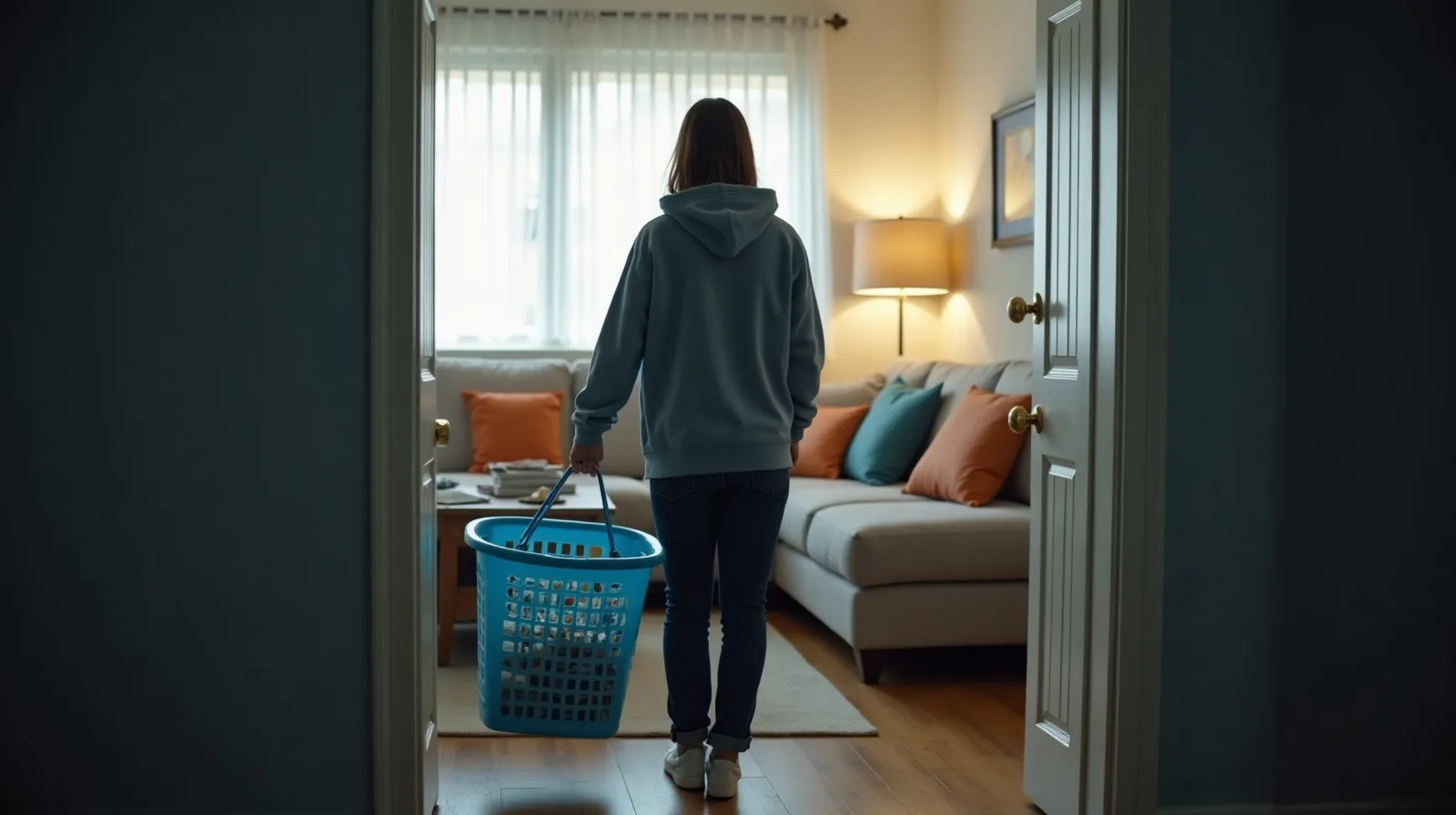
- Do the basket sweep. Carry one laundry basket through the main room and drop in everything that does not live there. It goes in a bedroom with the door shut, not on a bed that might be needed later.
- Clear the flat surfaces. Coffee table, counter, side table. Empty beats tidy — a bare surface holding one object reads as deliberate.
- Reset the soft stuff. Straighten the cushions, fold the throw blanket, push the chairs in. Thirty seconds of this changes how the whole room reads.
- Take one minute in the bathroom. Detailed below, and worth the time even when the living room is only half done.
The Bathroom Minute
The bathroom is the one room a guest stands in alone, which is why it gets outsized attention. Sixty seconds covers it: wipe the sink and faucet with whatever cloth is nearest, wipe the toilet seat and rim, swap the used hand towel for a folded clean one, and move personal items behind a door. Check the paper roll. If there is time left, run a cloth over the splashes on the mirror. Keeping a small stack of cloths under the sink turns this into a genuine one-minute job instead of a hunt for supplies.
Light, Air, and Smell Do the Rest
Lighting is the cheapest upgrade in the house. Switch off the overhead and turn on two or three lamps instead; the room immediately reads softer and warmer, and lamplight is forgiving about a great deal. Open a window for two minutes even in cold weather, because stale air is the thing people notice without ever naming it. Skip the heavy sprays, which read as covering something up. Coffee brewing or something simmering on the stove does far more, and if the kitchen is past saving, that is what a closed door is for.
What Not to Bother With
Everything left over is optional, and treating it as optional is what keeps five minutes to five minutes. Dishes can go in the dishwasher or into a tub under the sink. Floors rarely need vacuuming for a short visit unless something is visibly on them. Closed doors are a legitimate tool, not cheating. And the basket gets emptied within a day or two, before it quietly turns into furniture — that is the only real cost of the entire system.