The week before school starts has a flavor of chaos all its own — and it shows up after every break, not just the long summer one. Supply lists surface two days late, permission slips travel home as crumpled balls, and somebody discovers at 7 a.m. that there is nothing lunch-shaped in the house. It feels like a parenting failure, but it’s almost never that. It’s a systems gap. School generates a steady stream of stuff, paper, and food demands, and a house without a place for that stream to land turns every school day into improvisation. One afternoon of setup closes the gap — and the same four systems work whether you’re coming off summer, winter break, or a mid-year move.
Build a Supply Station
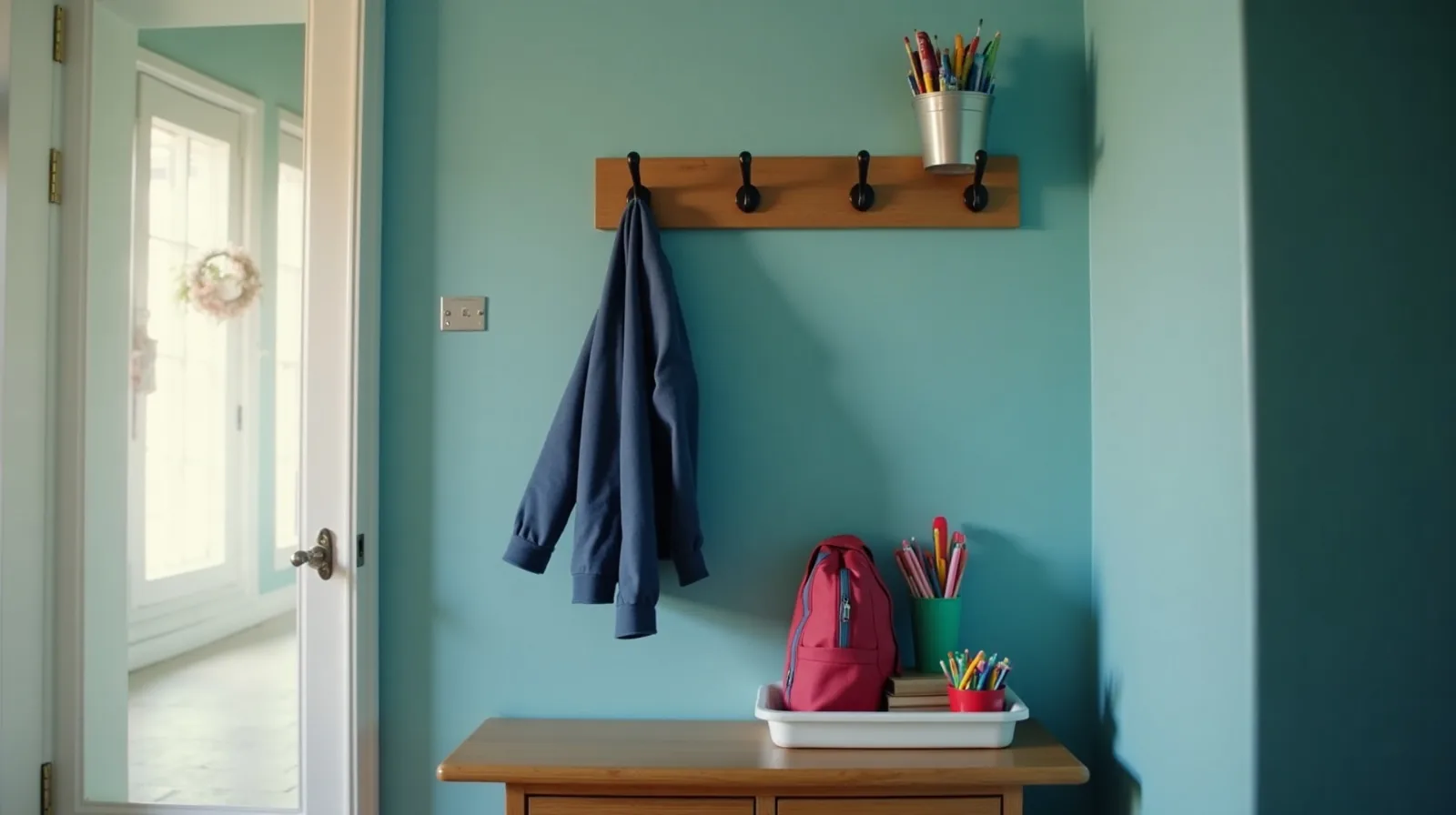
Pick one spot — a dresser top, a closet shelf, a rolling cart — and make it the only place school supplies live. Pencils, glue sticks, markers, spare folders, index cards, tape: all of it, in labeled bins so restocking is obvious at a glance. Shop your own house first; most homes already own three-quarters of a supply list, scattered across five junk drawers. Add a small “restock” box for backups of the things that vanish fastest, and homework stops opening with a twenty-minute pencil hunt. When a project or a replacement request comes home, you shop the station first and the store second.
Give School Papers One Place to Land
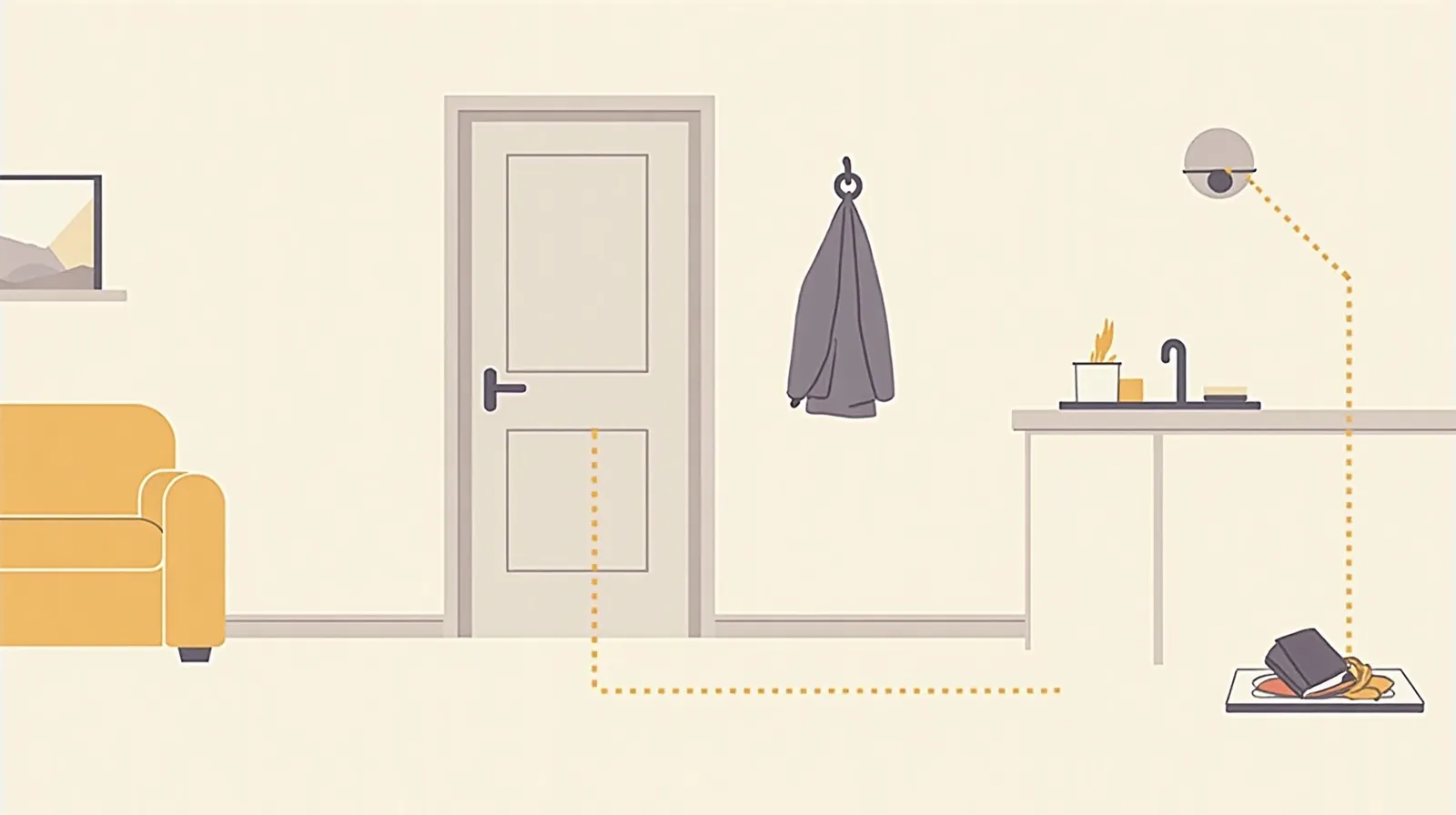
Paper is the real back-to-school flood — forms, flyers, artwork, spelling lists — and it defeats families because it lands everywhere: counters, backpacks, car seats. The fix is a single inbox: one tray or bin where every school paper goes the moment kids walk in, straight from backpack to bin, no exceptions. Then run a two-minute nightly triage: sign anything that needs signing and put it straight back in the backpack, add dates to the family calendar on the spot, snap a photo of anything you might need later, and recycle the rest without ceremony. Paper handled once is a system; paper handled five times is clutter.
Set Up a Lunch Assembly Line
Lunches go faster when packing becomes assembly instead of decision-making. Set the line up once:
- A pantry bin. Crackers, dried fruit, granola bars — the shelf-stable pick-one layer, pre-portioned into small containers or bags.
- A fridge bin. Cheese, yogurt, washed fruit, and cut vegetables at kid height, ready to grab.
- Containers with a home. Lunch boxes, bottles, and lids live in one drawer, washed and returned nightly, so mornings never open with a lid hunt.
- A short rotation. Five lunches everyone accepts, written down and repeated. Variety is a weekend project, not a Tuesday-morning one.
- Kid labor. Once the bins exist, a child who can read can pack: one from each bin, plus the main. Assembly is an age-appropriate chore.
Plan the Re-Entry, Not Just the First Day
The last system is for bodies, not stuff. After any long break, kids’ sleep drifts late, and the first school week collides with that drift hard. Start walking bedtime and wake-up back in fifteen-minute steps about a week out, and do one low-stakes dry run — the walk to the bus stop, the drive, the drop-off loop — so day one holds no surprises. Then keep the first week’s afternoons deliberately empty: no new activities, easy dinners, early nights. Re-entry always brings a tired, cranky dip around day three. It isn’t a sign anything is wrong; it’s the adjustment doing its work, and a quiet week gives it room.