Decor trends have a churn problem: by the time a look has filtered from design feeds to big-box shelves, the feeds have moved on, and the wall you just painted is suddenly “dated.” The way out isn’t ignoring trends altogether — some of them genuinely fix things, which is why they caught on in the first place. The way out is a filter: borrow the trends that make a room calmer, warmer, or easier to live in, test them cheaply, and let the rest of the cycle spin on without you.
The Test a Trend Has to Pass
Before any trend earns wall space, run it through three questions. Is it reversible — undoable with a weekend and a small budget, or does it require demolition? Is it solving something in your actual room — softening a boxy layout, warming cold light, adding texture to a flat wall — or is it pure novelty? And does it fit how you live — pale upholstery and a muddy dog are a short story with a sad ending. Trends that pass all three tend to be the ones that quietly stop being trends and become simply how rooms look.
Trends That Earn Their Spot
A handful of favorites pass that test in most homes:
- Curved-edge furniture. Rounded sofas, arched mirrors, and pill-shaped tables soften the hard rectangles most rooms are built from — one curved piece per room is usually enough to relax the whole space.
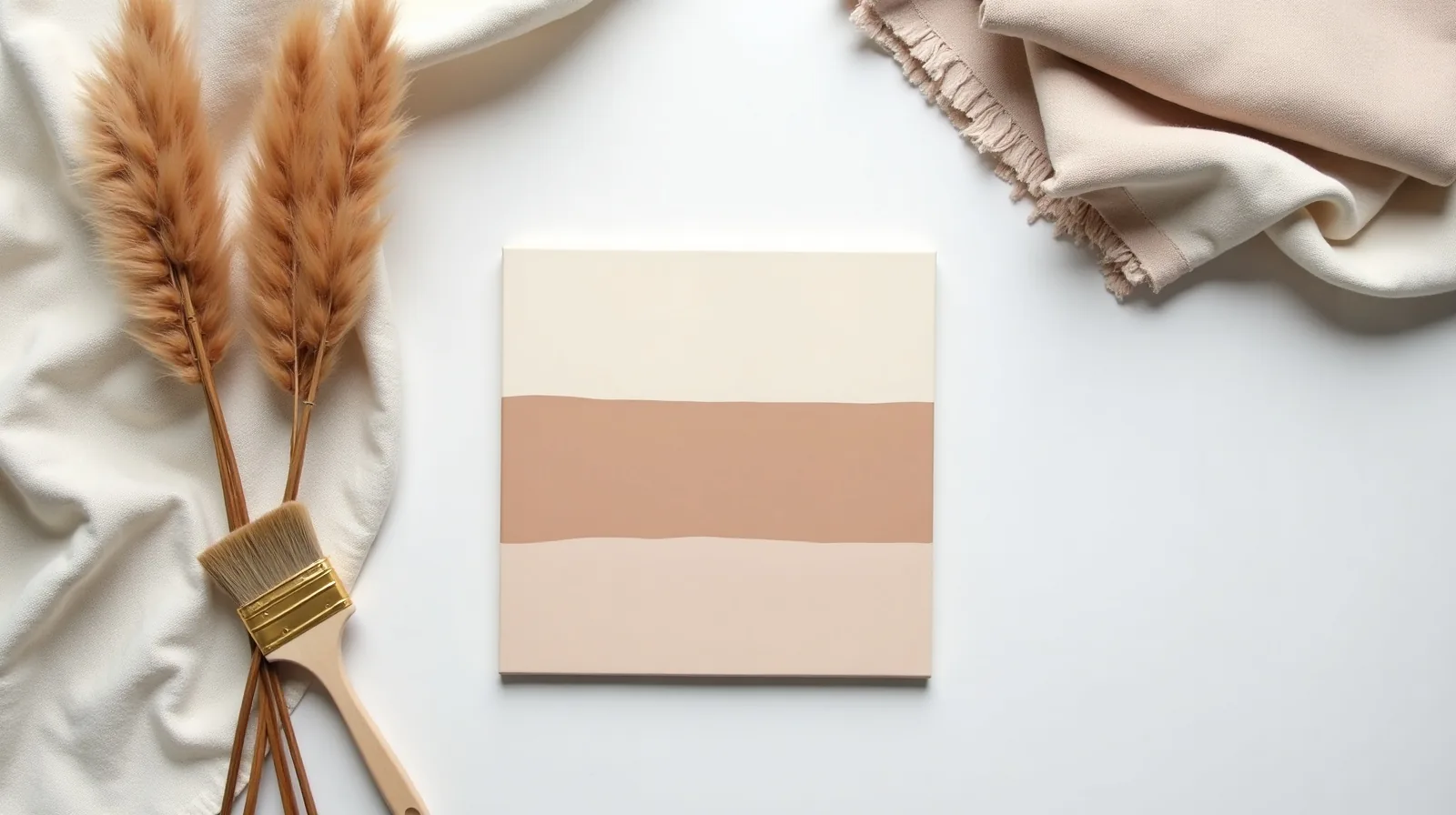
- Warm plaster and earth tones. The shift away from stark white and cool gray toward clay, sand, and plaster-toned walls makes rooms feel warmer in exactly the way the photos promise — and paint is the most reversible move in decorating.
- Natural texture. Linen, rattan, cane, wool, unlacquered wood — texture gives a neutral room depth that color alone can’t, and it hides everyday wear far better than smooth, shiny surfaces.
- Dried stems and branches. A tall vase of dried grasses or a few sculptural branches delivers the life of a botanical with none of the maintenance — the arrangement holds its look for a year, not a week.
- Mixing eras. One older piece — a thrifted dresser, an inherited chair, a worn wooden bowl — grounds a room of new things and keeps it from reading like a showroom set.
Trial It Small
The trick with any of these is to test at the smallest possible scale before committing. Curious about earthy walls? Paint a sample board, not a room, and move it around for a week to see it in morning and evening light. Curves: one thrifted round mirror or side table before any sofa decisions. Texture: pillow covers and a throw, which cost little and swap out in minutes. Dried stems: one vase, one corner. Live with the test for two weeks — long enough for the novelty to burn off — and only then decide whether it graduates to something bigger. Rooms assembled slowly, one keeper at a time, almost always end up better than rooms bought in a weekend.
When to Let a Trend Pass
Skip any trend that demands renovation to try — open shelving that means ripping out cabinets, arched doorways, built-in anything — unless you were renovating anyway. Skip trends that fight your household: delicate fabrics with small kids, anything that needs daily fluffing you know you won’t do, holes a strict landlord won’t forgive. And skip a trend you only love in photographs of other people’s houses — if you can’t picture it holding your mail, your mugs, and your Tuesday-night clutter, it isn’t for your house. The feed will bring another one along shortly, and the genuinely good ones will still be good when you’re ready.