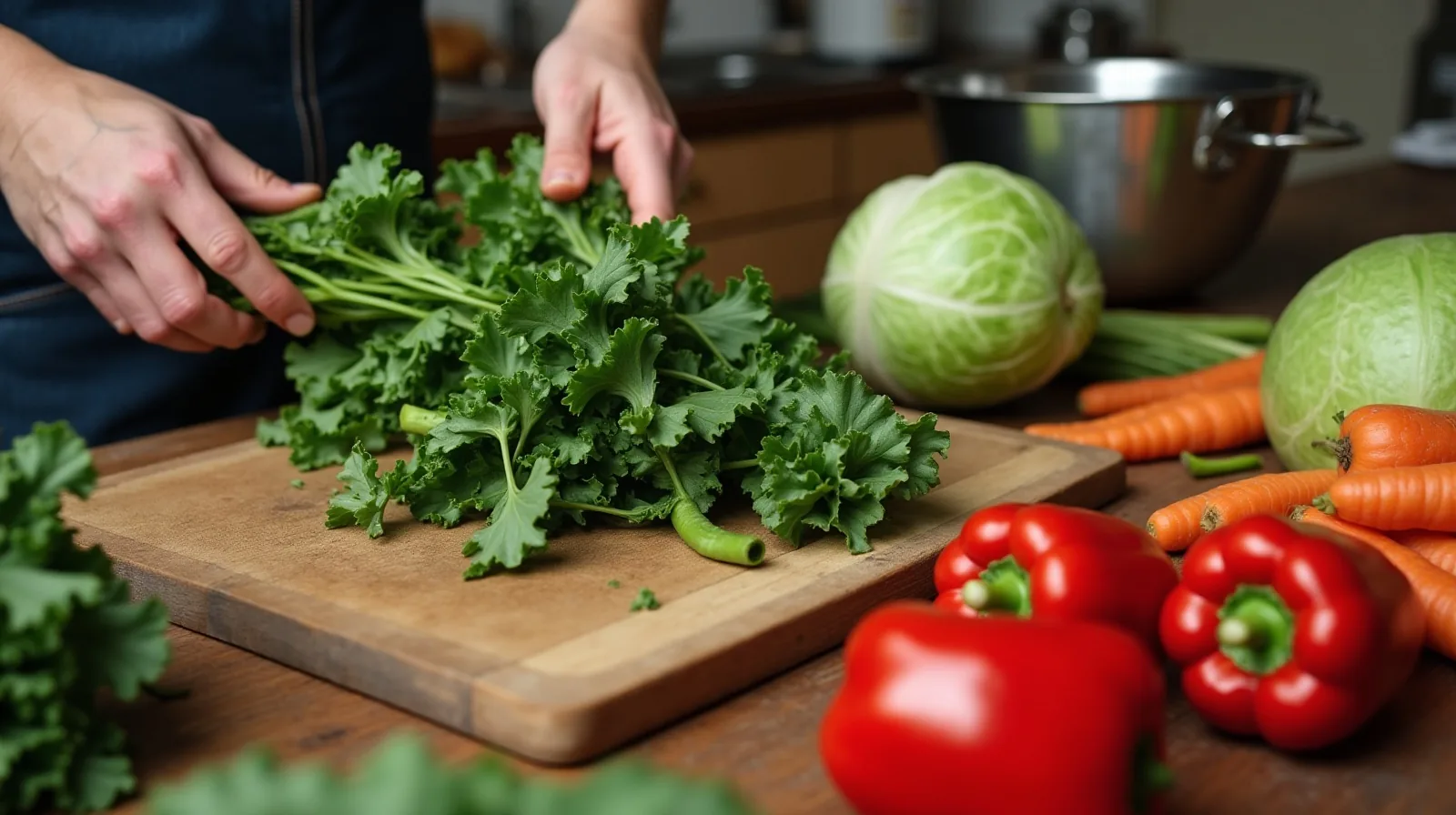
Almost nobody needs convincing that vegetables are worth eating. The gap is not motivation, it is logistics: they need washing, they need chopping, they go slimy in the drawer while the pasta cooks in ten minutes, and the plan to eat better always seems to start on Monday. The habits that actually raise the number of vegetables on a plate are dull and mechanical. They involve buying differently, cooking once, and putting things where hands already reach, and none of them require liking kale.
Add Instead of Replacing
The version of this that fails asks you to swap the dinner you like for a salad. The version that works adds vegetables to the dinner you were already going to eat. Grated carrot disappears into a meat sauce. A handful of spinach vanishes into scrambled eggs. Frozen peas go into rice in the last two minutes and nobody objects. Nothing gets taken away, so there is nothing to resent, and the total climbs anyway. That is the whole strategy, and it survives picky eaters, tired weeknights, and people who have never once wanted a side salad.
Roast a Tray and Let It Work All Week
The single highest-return habit is roasting one big tray at the start of the week. Cut whatever is in the house into similar-sized pieces, toss with oil and salt, spread out with room between the pieces, and roast hot until the edges brown. Sturdy vegetables like carrots, potatoes, squash, cauliflower, and onions take longer; peppers, zucchini, and broccoli need less time, so give the slow ones a head start. What comes out is not a side dish, it is a component. It goes into grain bowls, gets folded into eggs, tops a flatbread, or gets blended with stock into soup. Doing the work once means the next three dinners already have their vegetable handled.
Bulk Them Into What You Already Cook
Most weeknight meals can absorb far more than they usually get. These are the reliable moves.
- Grate into sauces. Carrot, zucchini, or mushrooms grated fine cook down into tomato sauce, chili, and meatloaf without changing the flavor much.
- Wilt greens into anything hot. Spinach or chard stirred into soup, pasta, curry, or eggs at the end shrinks to almost nothing and adds a lot.
- Double the vegetable in stir-fries. Whatever the recipe calls for, use twice as much and keep the protein the same. The dish only gets better.
- Shred cabbage into the fast stuff. Tacos, sandwiches, noodle bowls, and fried rice all take a big handful of thinly sliced cabbage, which keeps for weeks in the fridge.
- Start soups with more. An extra onion, celery stalk, and carrot in the base of any pot costs two minutes and thickens the whole thing.
Keep the Easy Ones in the Way
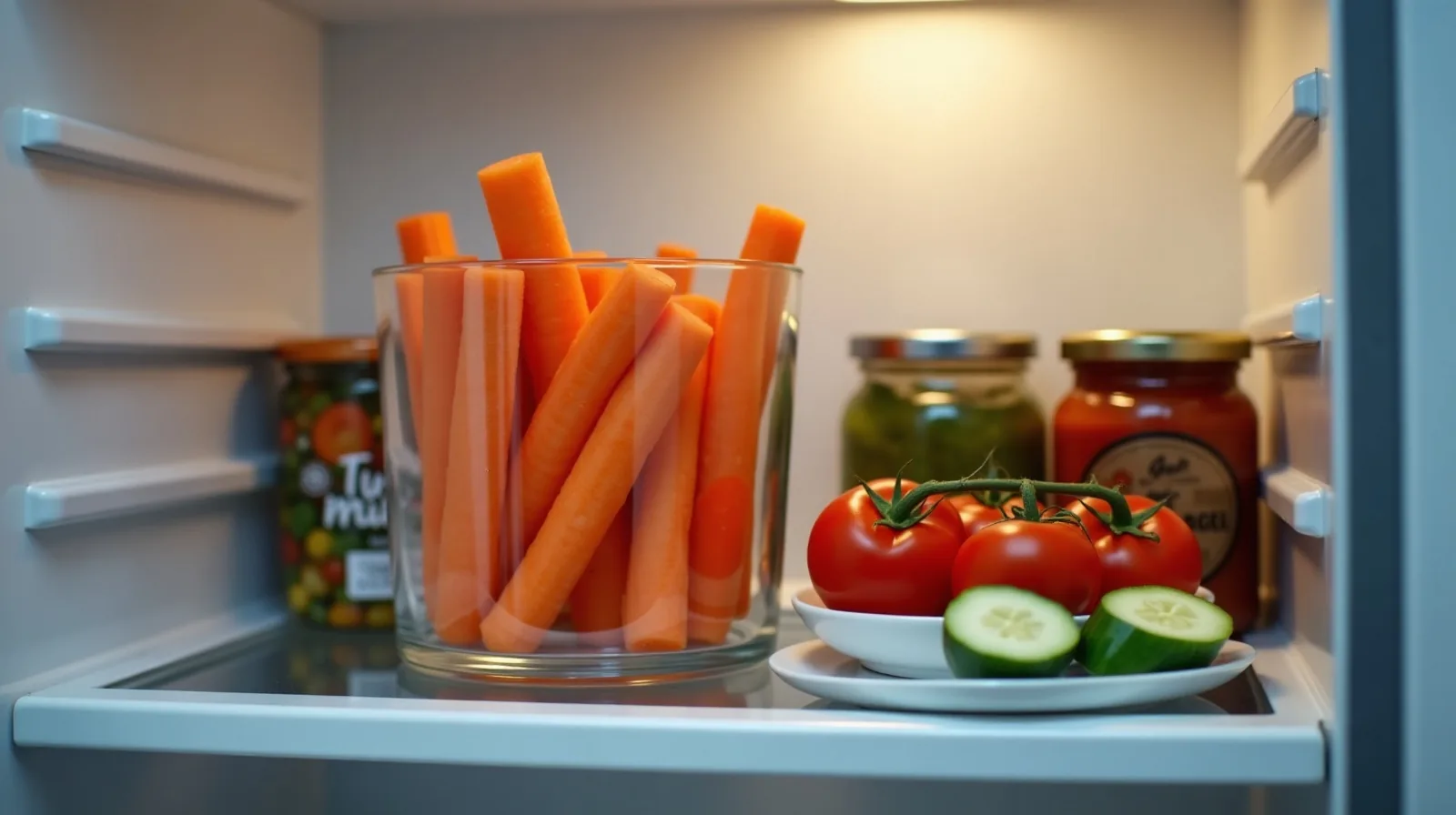
Produce gets eaten when it is visible and ready. Washed carrot sticks, halved cucumbers, cherry tomatoes, and snap peas at eye level on the middle shelf get grabbed; the same vegetables sealed in a bag in the crisper get thrown out. Move condiments and leftovers down and give the ready-to-eat produce the best real estate in the fridge. A bowl of fruit on the counter works on the same principle. It is a shockingly small change for how much it moves the needle, and it works because a hungry person at four in the afternoon takes whatever is closest.
Frozen Is Not the Compromise It Looks Like
Frozen vegetables are picked and frozen fast, and their nutrition generally holds up well against fresh produce that has spent a week traveling and sitting. They also never rot, which removes the guilt tax that fresh produce charges. Keep spinach, peas, corn, broccoli, and a stir-fry mix on hand permanently and treat them as the backstop for any night the fridge is bare. Roast or sauté them rather than boiling if texture matters to you. Anyone adjusting their eating for a medical condition should run bigger changes past a doctor or dietitian first.