A nicer yard rarely comes from a landscaping crew or a five-year master plan. It comes from a couple of finished projects you can see from the back door — the kind that take one weekend, a modest supply run, and tools you may already own. The difference between a yard that feels neglected and one that feels cared for is surprisingly small: a defined edge here, a place to sit there, some light after sunset. Pick one project, finish it completely, and the whole yard reads better before you’ve touched the rest.
Pick Projects That Punch Above Their Effort
Not all yard work pays the same. Hours of weeding vanish in two weeks; a crisp bed edge or a lit patio reads as “someone loves this yard” for a whole season. The projects worth a beginner’s weekend share three traits: they’re visible from where you actually sit, they’re hard to do badly, and they stay done. That rules out ambitious grading, retaining walls, and anything structural — and rules in the short list below. Start with whichever one you’d notice first with morning coffee in hand.
Five One-Weekend Projects
- A raised garden bed. Four boards, a box of exterior screws, a drill, and a few bags of soil. Two hours of assembly buys a tidy, productive centerpiece — herbs and salad greens are nearly foolproof first crops.
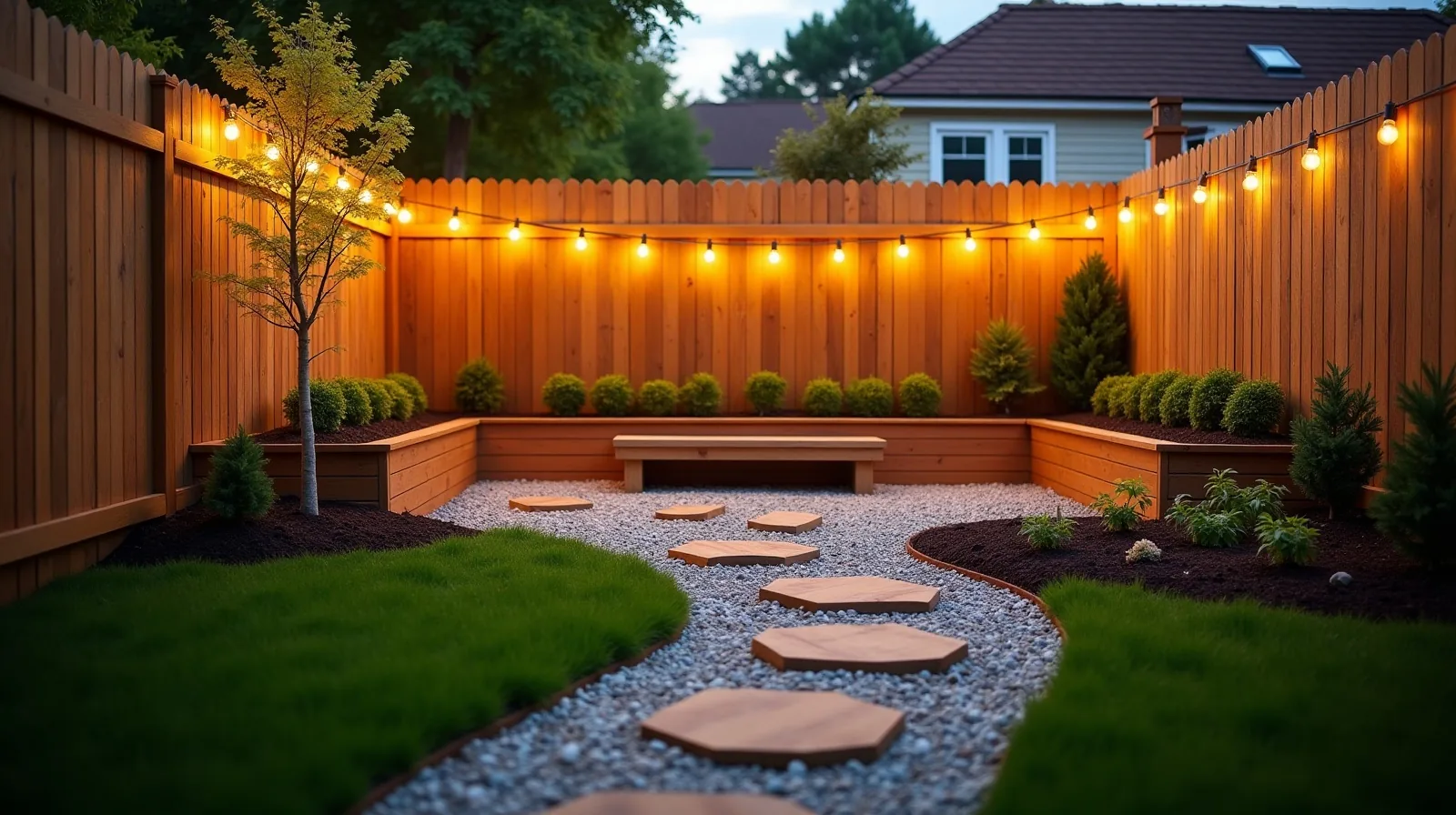
- A stepping-stone path. Set pavers or flat stones along the route people already walk. Dig each spot an inch or two down, add a little sand to level, and drop the stone flush with the grass so the mower glides over.
- String lights. A cafe-style line of lights over a patio or between two posts changes how the yard feels after dark more than any daytime project. Outdoor-rated lights, a hook at each end, done by dinner.
- Edged and mulched beds. Cut a clean edge where beds meet lawn with a flat spade, then lay a couple of inches of mulch. It’s the cheapest project here and delivers the most instant “finished” look per hour.
- A simple fire-pit ring. A circle of retaining-wall blocks on a gravel base makes a gathering spot in an afternoon. Keep it well away from structures and fences, and check local rules on open fires first.
Tools, Prep, and the One Call to Make First
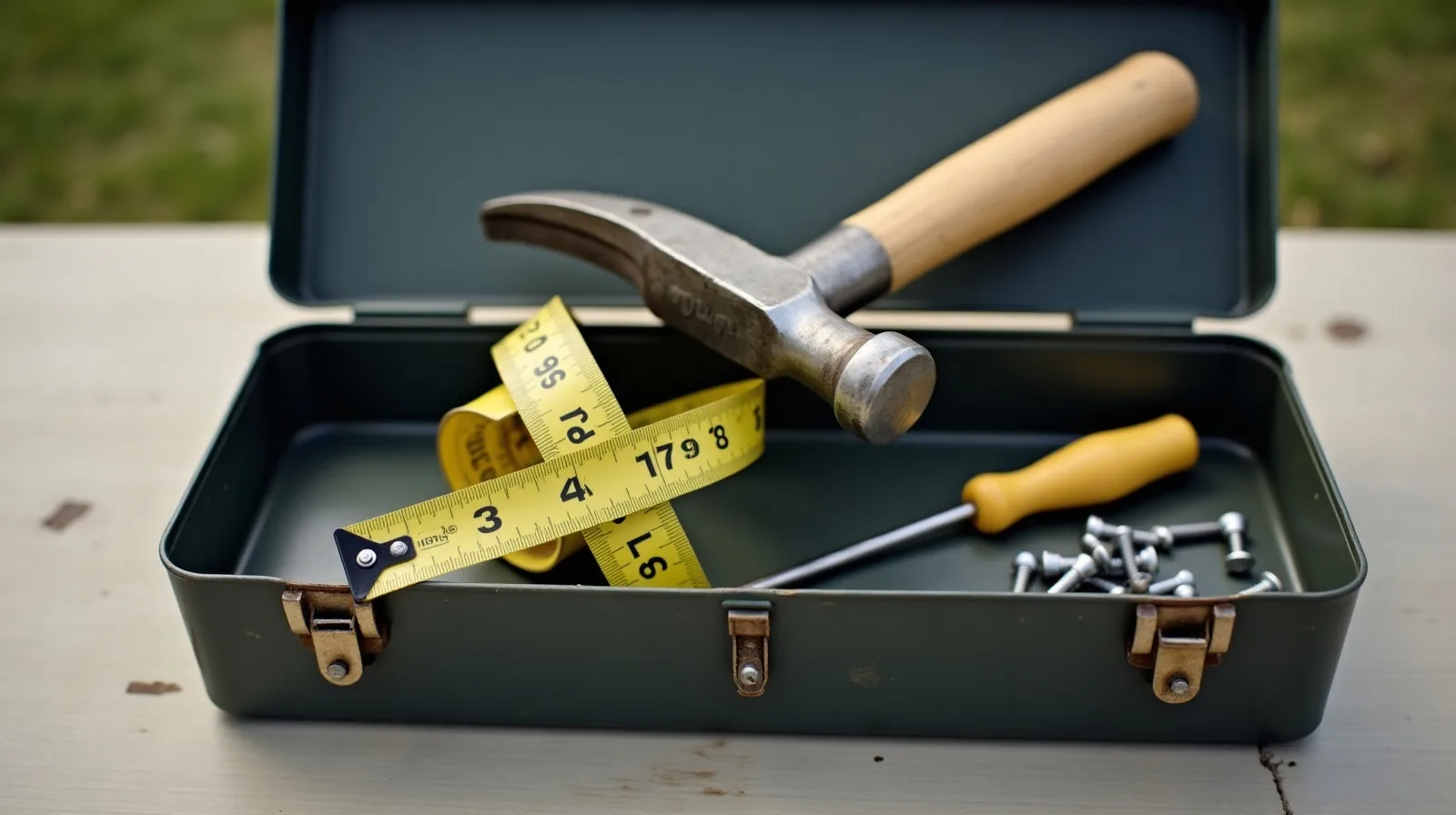
Every project above runs on a short kit: a cordless drill, a tape measure, a level, a flat spade, and gloves. Two prep habits save most beginner grief. First, measure the space and buy about ten percent more material than the math says — a second store run burns half a Saturday. Second, before any project that involves digging more than a few inches, use your area’s free call-before-you-dig utility-locating service; buried lines sit shallower than most people expect, and the check costs nothing but a couple of days’ notice.
Sequence the Weekend So It Actually Finishes
The classic failure mode isn’t a bad build — it’s three projects started and none finished. Run one project per weekend, split sensibly: Saturday for shopping, layout, and the heavy assembly; Sunday for leveling, filling, tidying, and the small finishing touches that make it look intentional. Clean up completely, stand at the back door, and let it be done. A single finished corner does more for how the yard feels — and for your motivation to do the next one — than a yard full of half-projects ever will.