The stress most phones generate doesn’t come from any single thing on them. It comes from a hundred tiny interruptions a day — each one small, each one yanking your attention somewhere it wasn’t — plus the low-grade readiness of knowing the next one could land any second. The popular answer is the dramatic detox weekend, which works about as well as a crash diet. The quieter answer is a handful of standing habits that make the phone less interruptive without making it less useful.
Let People Through, Not Apps
Here’s the cleanest sorting rule ever invented for notifications: a human wrote this specifically to me gets through; everything else doesn’t. Texts and calls from actual people — yes. The app that “misses you,” the sale that ends tonight, the stranger who liked a comment — silent. Your phone’s settings let you do this app by app in ten minutes, and it removes the majority of daily interruptions in one sitting while losing nothing that matters. Anything genuinely important has a way of arriving as a message from a person anyway.
Make the Screen a Little More Boring
The phone is engineered to be the most interesting object in any room. These habits dial that back:
- Go grayscale. Buried in your phone’s accessibility settings is a switch that drains the screen’s color — and with it, a surprising amount of its pull. Apps look like documents instead of candy.
- Empty the first screen. Keep only tools — maps, camera, messages, notes — on the home screen, and make anything scrollable a deliberate search away.
- Silence the badges. Those little red counters are a to-do list you never agreed to. Turn them off and let apps wait until you arrive.
- Log out of the loud ones. For any app that eats your evenings, staying logged out adds twenty seconds of friction — often exactly enough for the impulse to pass.
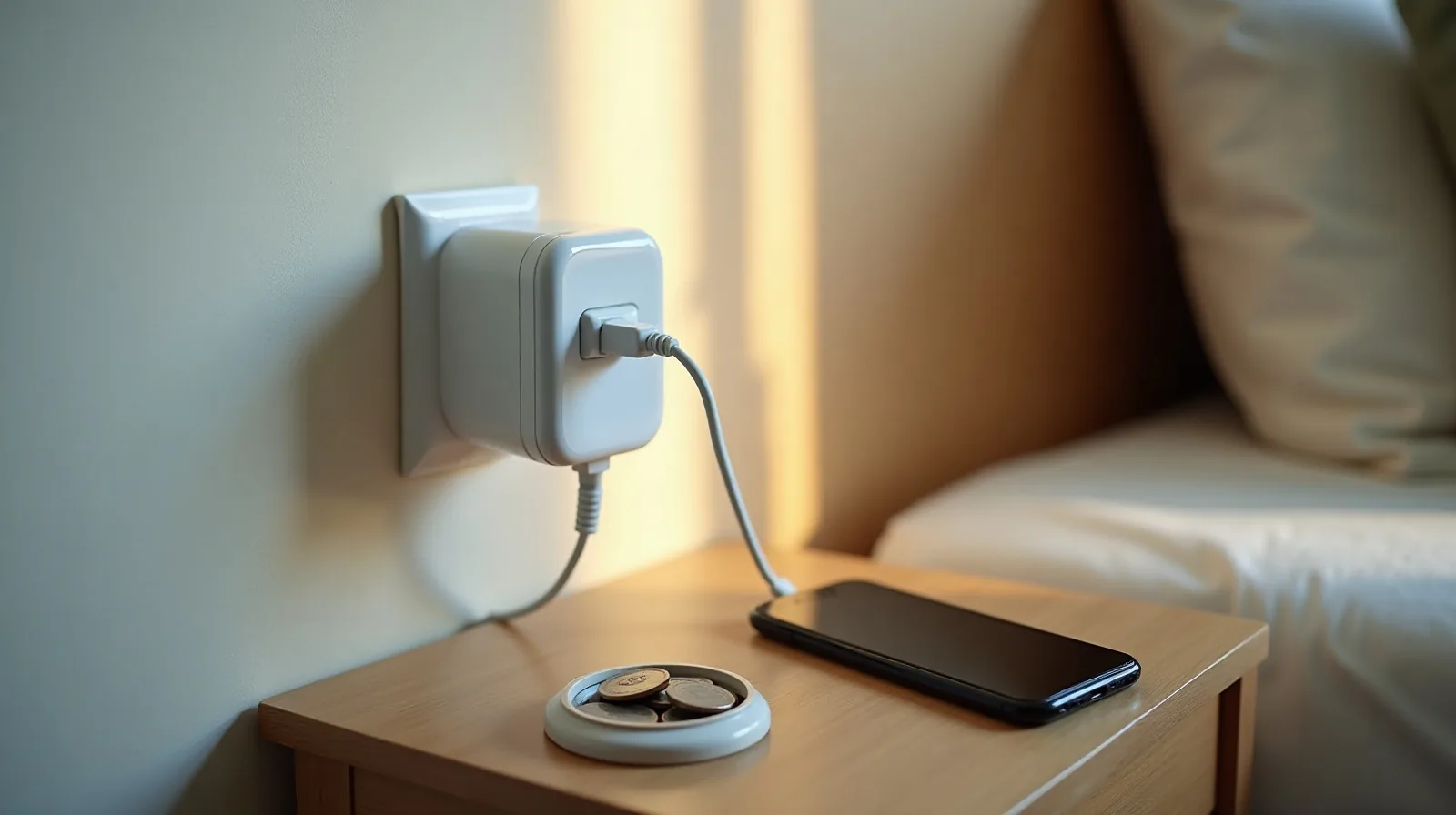
- Charge it out of reach. Across the room, in another room, anywhere but the spot your hand rests. Distance is the one setting no app can override.
Check on a Schedule, Not a Twitch
Constant checking feels like staying informed, but it works like a slot machine — variable rewards on a random schedule, which is precisely the pattern that builds compulsion. The alternative is batching: a few deliberate check-ins a day, at moments you choose — mid-morning, after lunch, early evening — when you process messages and news in one sitting and then put the phone down. The first days feel itchy; that’s the habit objecting, not information being missed. Most people find the twitch fades within a week, and what replaces it is longer stretches where your attention is simply… yours.
Build Phone-Free Anchors
Finally, give a few slots in the day standing protection: meals, the first half hour after waking, a daily walk. Not as a purity test — as anchors, small reliable stretches where nothing pings and your thoughts get to finish. Evenings deserve one too, with the phone parked at its charging spot rather than on the nightstand. None of these habits is impressive on its own. Stacked together, they change the texture of a day — less bracing for the next interruption, more actual quiet. The phone still does everything it did before. It just stops doing it to you.