Blue-light glasses arrived with a tidy story. Screens emit blue light, blue light is blamed for tired eyes and bad sleep, so a lens that filters some of it should fix both. The lenses are cheap, harmless, and easy to buy, which is why so many desks now have a pair sitting on them. The awkward part is what happened when researchers tested the story properly: the results came back far less impressive than the marketing, and the real causes of tired eyes turned out to be sitting somewhere else entirely.
What the Glasses Promise
The pitch usually covers two claims. The first is comfort: filtering blue wavelengths is said to reduce digital eye strain, the ache, dryness, and blur that build up over a long screen day. The second is sleep, on the reasoning that blue wavelengths suppress melatonin, so blocking some in the evening should protect the body clock. The second claim rests on real biology. Light genuinely affects circadian timing, and short-wavelength light does so strongly. The question was never whether light matters. It was whether a lightly tinted lens in front of a screen moves enough of it to matter.
What the Trials Have Found
Reviews pooling the randomized trials have generally not found meaningful benefit for eye strain from blue-filtering lenses compared with ordinary clear lenses. People often report feeling better wearing them, but so do people given lenses with no filter at all, which is what a control group is for. On sleep the picture is a little friendlier and still modest: some small studies suggest evening use may help slightly, though the effect looks small next to simply dimming the room and shortening the last screen hour. It is also worth remembering how much brighter daylight is than any screen, which puts the size of the exposure in perspective.
Why Screens Tire Eyes Anyway
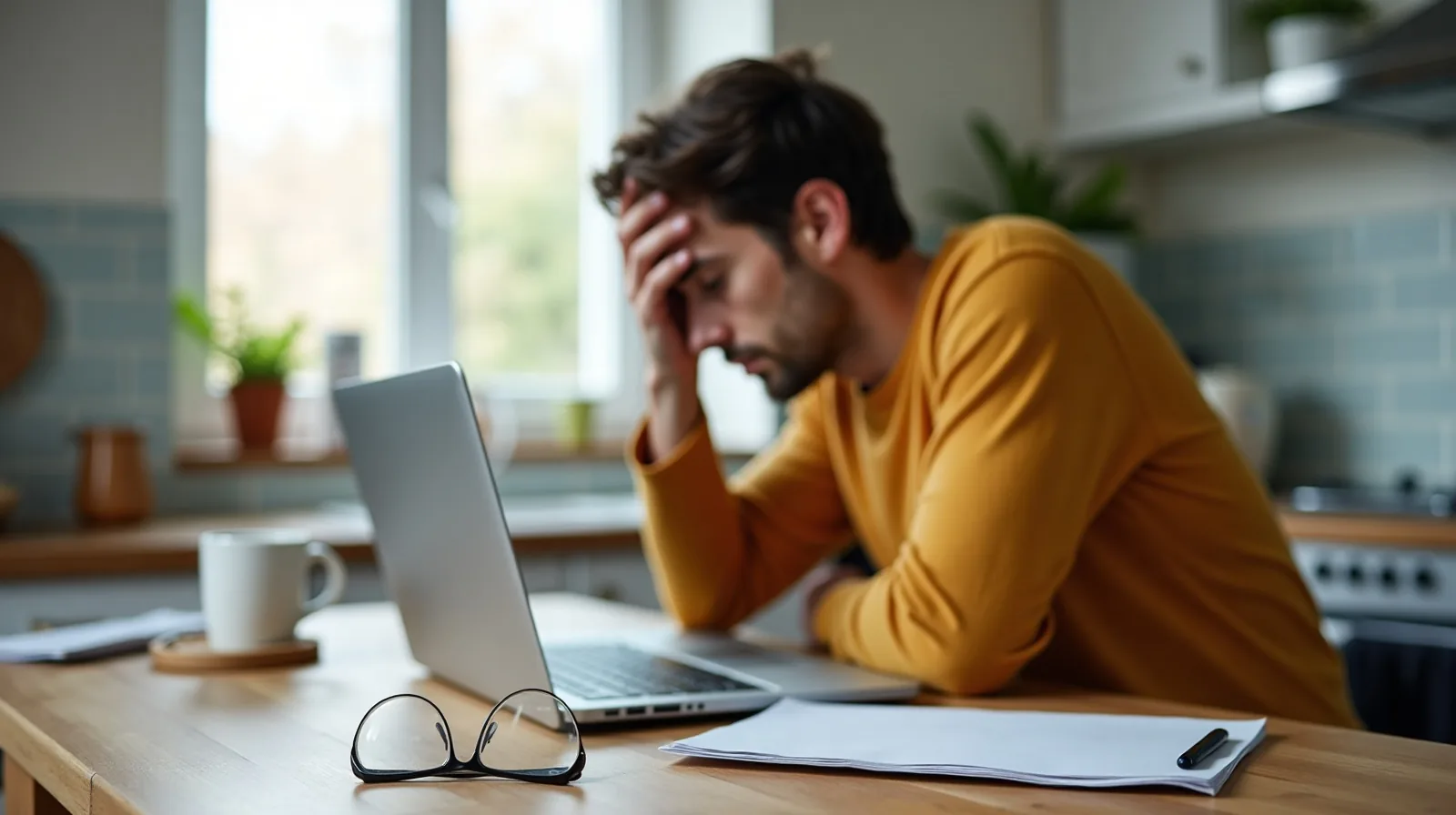
Tired eyes at the end of a screen day are real, they are just not a lighting problem. Two mechanics do most of the damage. Blink rate drops substantially during focused screen work, so the tear film thins and the surface of the eye dries out, which produces grit, burning, and blur. Meanwhile the focusing muscles hold one close distance for hours without a break, and sustained near work leaves them fatigued the way any held contraction would. Add dry office air, a screen positioned too high, or an outdated prescription, and the symptoms have plenty of explanation without involving wavelength at all.
What Tends to Help Instead
The changes with the best support are unglamorous, free, and mostly about distance, breaks, and blinking.
- Look far away regularly. Every twenty minutes or so, spend twenty seconds looking at something across the room or out a window. It lets the focusing muscles release.
- Blink deliberately. A few slow, complete blinks every so often restores the tear film that concentration quietly interrupts.
- Fix the geometry. Screen about an arm's length away, top of the display at or just below eye level, so the lids sit lower and less surface is exposed.
- Match the room to the screen. A screen far brighter than its surroundings is harder work. Raise the room light or lower the display until neither one glares.
- Dim the evening rather than tint it. Lower brightness, warmer settings, and a shorter last hour do more for sleep than a lens does.
When It Is Worth an Eye Exam
Persistent strain often turns out to be an uncorrected prescription, a mild alignment issue, or genuine dry eye, none of which a filter addresses. Headaches that keep returning, vision that blurs and stays blurred, sore or red eyes, or trouble with focus at one particular distance are all reasons to book an exam rather than another accessory, and anything sudden warrants prompt medical attention. If you already like wearing blue-light lenses, there is no reason to stop; they are not doing harm. Just do not let them stand in for the break, the distance, and the eye test that actually change how the day feels.