
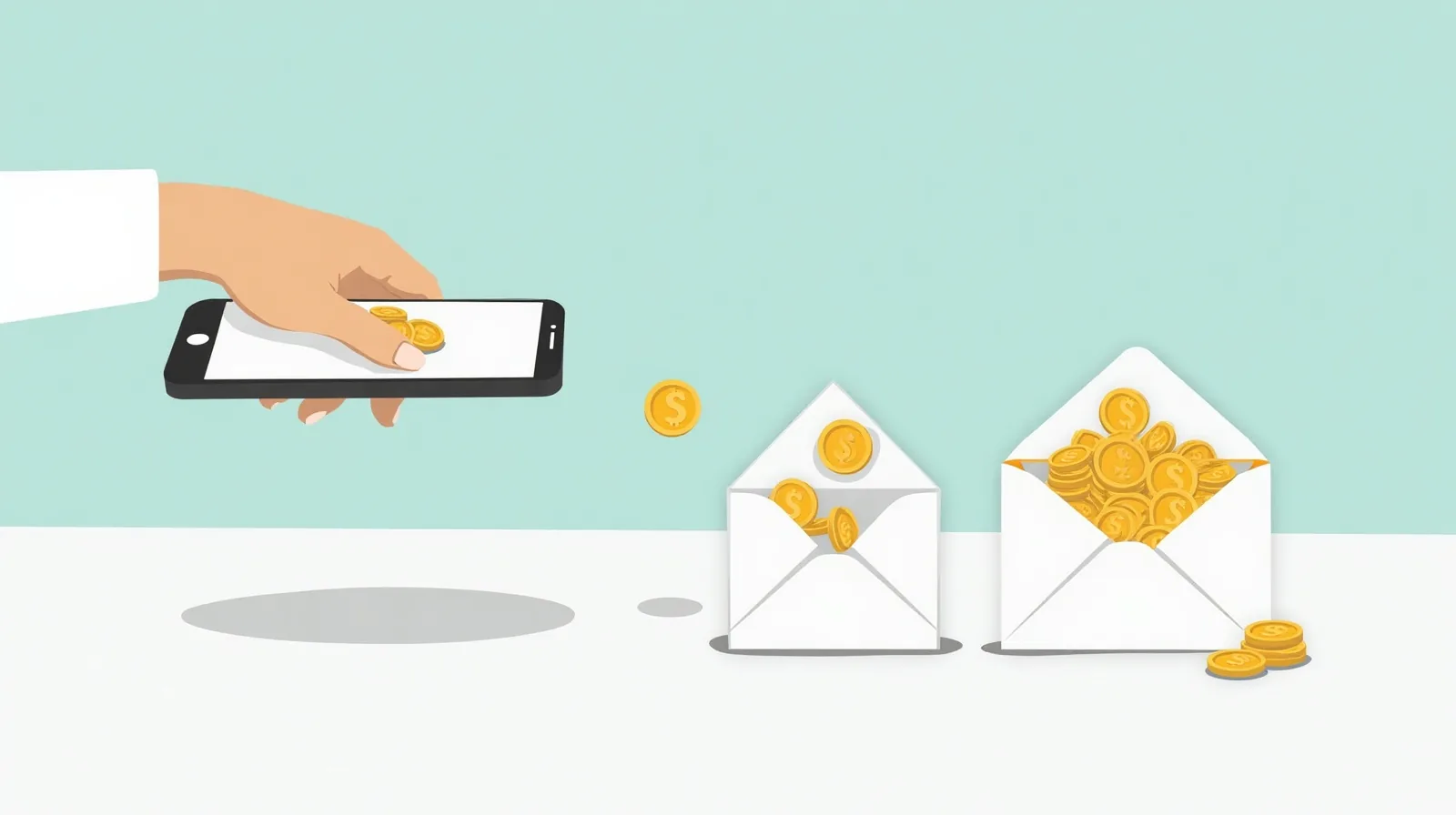
Every generation rediscovers budgeting and gives it a new outfit. The current outfit involves pastel binders, labeled envelope pockets, and short videos of people counting cash on camera — and it’s tempting to dismiss the whole thing as an aesthetic. But underneath the packaging, the trends that keep pulling people in share one genuinely good idea: they make money, which has become invisible, visible again. Here’s what the big ones actually are — as concepts, not prescriptions — and why they seem to help people save.
Why Budgeting Suddenly Looks Fun
Money used to be physical: you could watch a wallet thin out over a week. Now it’s a tap, a saved card number, a subscription renewing silently at 3 a.m. Spending lost its friction, and budgets built as spreadsheets never gave it back — a number in a cell doesn’t feel like anything. The current wave of trends is essentially a friction-restoration project. Each one takes an abstract balance and turns it into something you can see, touch, or say out loud, and that shift — more than any formula — is what people respond to.
The Big Trends, Decoded
Strip off the hashtags and the popular methods are refreshingly old-fashioned:
- Cash stuffing. The envelope method, rebranded. Withdraw part of your spending money in cash, divide it into labeled envelopes — groceries, gas, fun — and when an envelope is empty, that category is done until next payday.
- No-spend months. A defined window — a week, a month — where only true essentials get bought. Less a savings engine than a reset: it surfaces which purchases were habit rather than want.
- Sinking funds. Setting aside a little every month toward expenses you know are coming — car repairs, holidays, the vet — so irregular bills stop masquerading as emergencies.
- Loud budgeting. Saying the quiet part in public: “that’s not in the budget this month” delivered as a complete, cheerful sentence. It swaps embarrassment for social permission.
What They All Have in Common
Notice the shared machinery: hard edges and visible progress. An envelope can be empty in a way a checking account never quite is. A no-spend month has a start and an end. A sinking fund has a name and a goal. Behavioral research on saving generally points the same direction — people follow through more when goals are specific, progress is visible, and the decision is made once in advance instead of re-litigated at every checkout. The trends are charismatic delivery systems for those three ideas, which means you can borrow the mechanism without adopting the aesthetic: a savings account with a name on it is a sinking fund; deleting a saved card number from your browser is cash stuffing’s digital cousin.
Before You Copy One
A few honest footnotes. Physical cash can be lost or stolen and earns nothing sitting in a binder, which is why envelope systems tend to suit everyday spending categories rather than long-term savings. No-spend months can backfire into rebound splurges when they’re framed as punishment instead of an experiment. And all of this is general information about how the methods work — not individualized financial advice. Income, debt, and goals make every situation different, and decisions with real stakes deserve a conversation with a qualified financial professional rather than a trend, however charming its binder.