Every parent has watched a small person come apart over something objectively tiny — the sandwich cut wrong, the sock seam, the game that ended. The trigger may be small, but the feeling is real, and how the adults nearby respond teaches kids something either way. The instinct to fix or dismiss (“you’re fine,” “there’s nothing to be scared of”) is understandable and almost always backfires. Talking about big feelings is a skill — one kids build slowly, through hundreds of small conversations that mostly don’t look like much.
Name It Before You Tame It
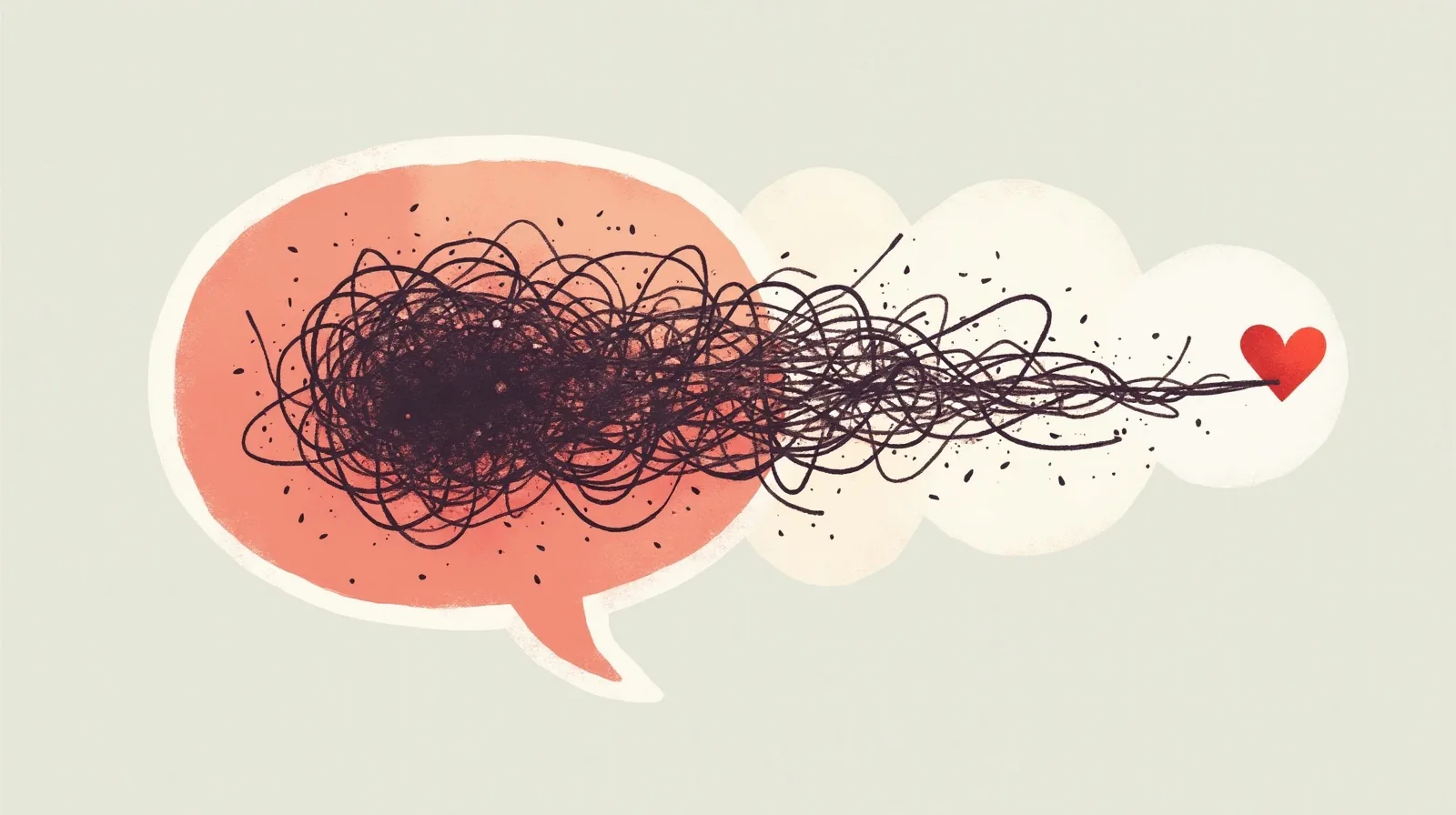
Kids can’t manage a feeling they can’t identify; to a four-year-old, anger, disappointment, and hunger can all just feel like bad. So the first job is vocabulary. Offer names gently and tentatively — “you seem really frustrated,” “that sounded disappointing” — and let kids correct you, because being asked beats being told. Naming does real work: putting a feeling into words tends to take some of the charge out of it, for adults too. And narrate your own emotional weather out loud sometimes — being nervous before a meeting, taking a slow breath after a frustrating call — because kids learn far more from watching feelings get handled than from being lectured about them.
Listen More Than You Explain
When a child finally talks about something hard, the temptation is to solve it, shrink it, or turn it into a teachable moment on the spot. Try none of those first. Get down on their level, reflect back what you heard — “so you felt left out at recess” — and sit with it for a beat before offering anything. Validation isn’t agreement or surrender: you can honor the anger and still keep the rule (“it’s okay to be mad; it’s not okay to hit”). Feelings first, logic later is the reliable order, because a flooded brain isn’t taking notes.
Pick Your Moments
The best conversations about feelings rarely happen at the peak of one. A few logistics make the talking easier:
- Wait for calm. Mid-meltdown is for safety and comfort, not conversation. The real talk lands hours later, once everyone is back at baseline.
- Go side by side. Car rides, walks, washing dishes together — less eye contact often means more honesty, especially with older kids.
- Use stories as openers. A character in a book or show who’s scared or jealous is a low-stakes way in: “What do you think she was feeling?”
- Keep it short. Two good minutes beat a fifteen-minute lecture that quietly teaches kids to stop bringing things up.
- Ask small, specific questions. “What was the hardest part of today?” gets answers that “How do you feel?” never will.
When Big Feelings Need Backup
Big feelings are a feature of childhood, not a flaw — meltdowns, worries, and stormy stretches are all within the normal range, and they generally respond to the slow, repetitive work above. But patterns that persist deserve attention: weeks of withdrawal or irritability, big changes in sleep or appetite, fears or sadness that start interfering with school and friendships, or anything that leaves a worried knot in your gut. In those cases, talk to your pediatrician or a child therapist — they can tell typical development from something that needs extra support. And seeking that help models the exact lesson sitting at the center of all of this: feelings are handleable, and nobody has to handle them alone.