The gap between a science toy that gets played with and one that gets abandoned usually shows up inside a week. The box promises engineering, coding, chemistry. Three days later the pieces are scattered in a drawer and the tablet is back out. That is rarely a child’s fault, and rarely a matter of price — some of the most-used building sets in a house cost less than a takeout dinner. What separates the keepers is how much the toy leaves for the child to decide.
Why the Impressive Ones Get Abandoned
Plenty of kits are built around a single finished result. There is one robot to assemble, one crystal to grow, one circuit to close. The instructions are excellent, the completion is a real moment, and then the toy has said everything it has to say. What remains is an object that cannot become anything else, which is how so many end up on a shelf being dusted instead of used.
The second failure mode is a toy that does the thinking. If a kit specifies exactly which piece goes where at every step, a child practices following directions rather than solving problems. Following directions is a fine skill. It simply is not the skill the box is selling. The toys that hold attention for months are the ones a child can be wrong with: a tower can fall over, a marble can miss the track, a bulb can stay dark until the wiring gets sorted out.
Categories That Consistently Earn Their Shelf Space
Four or five broad categories do most of the work. None of them depend on batteries lasting or an app staying supported, and each one scales from a four-year-old stacking to a ten-year-old testing a theory.
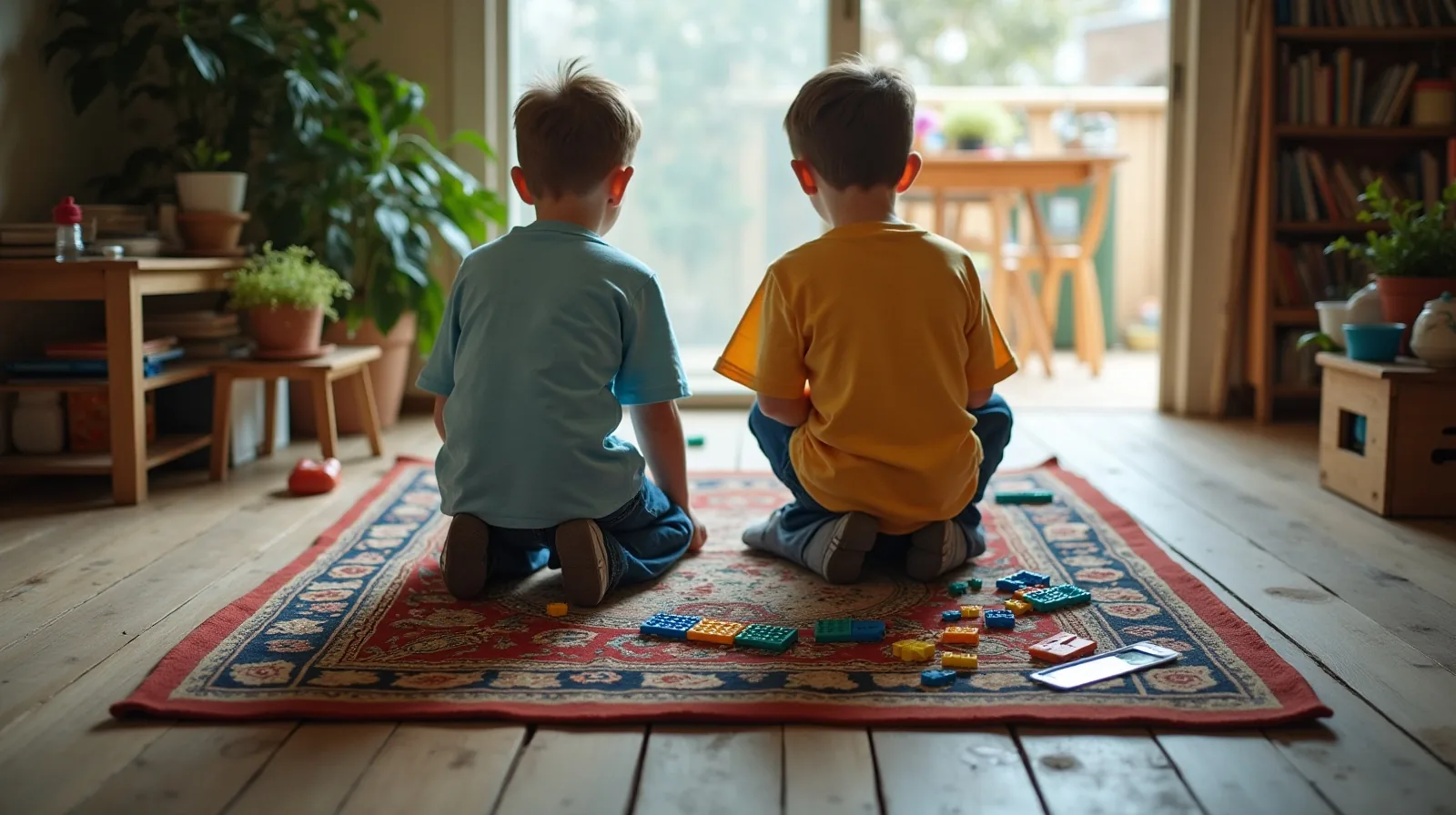
- Open building sets. Bricks, rods and connectors, magnetic tiles, or plain wooden planks. The value sits in the piece count and the freedom, not in the licensed model pictured on the front of the box.
- Simple circuit kits. Snap-together or clip-lead parts where a bulb, a buzzer and a small motor can be arranged in any order. A dark bulb becomes a puzzle instead of a defect.
- Magnifiers and hand lenses. A sturdy lens, a bug viewer, or a basic microscope turns a backyard into the material. Almost nothing else costs so little and stays interesting so long.
- Marble runs and ball tracks. Gravity gives instant, honest feedback. The marble either makes the jump or it does not, and the fix is always another experiment.
- Measuring tools. A tape measure, a kitchen scale, a balance, a stopwatch. Cheap, unglamorous, and quietly the foundation of every experiment a child runs later.
The Open-Ended Test
Before buying, run any candidate through three questions. Can it be built more than one way? Can a child use it without an adult reading each step aloud? And does it still do something once the instruction booklet is finished? A toy that clears all three tends to survive. A toy that fails two of them is usually a one-afternoon project in disguise.
Age labels deserve less trust than those questions do. A set aimed at eight-year-olds may suit a determined five-year-old with a grown-up nearby, and bore a nine-year-old who wants a real challenge. Watch what a child already does for fun, whether that is sorting, stacking, taking things apart or lining them up, and buy toward that instead of toward the number printed on the corner of the box.
Making It Last Past the First Week
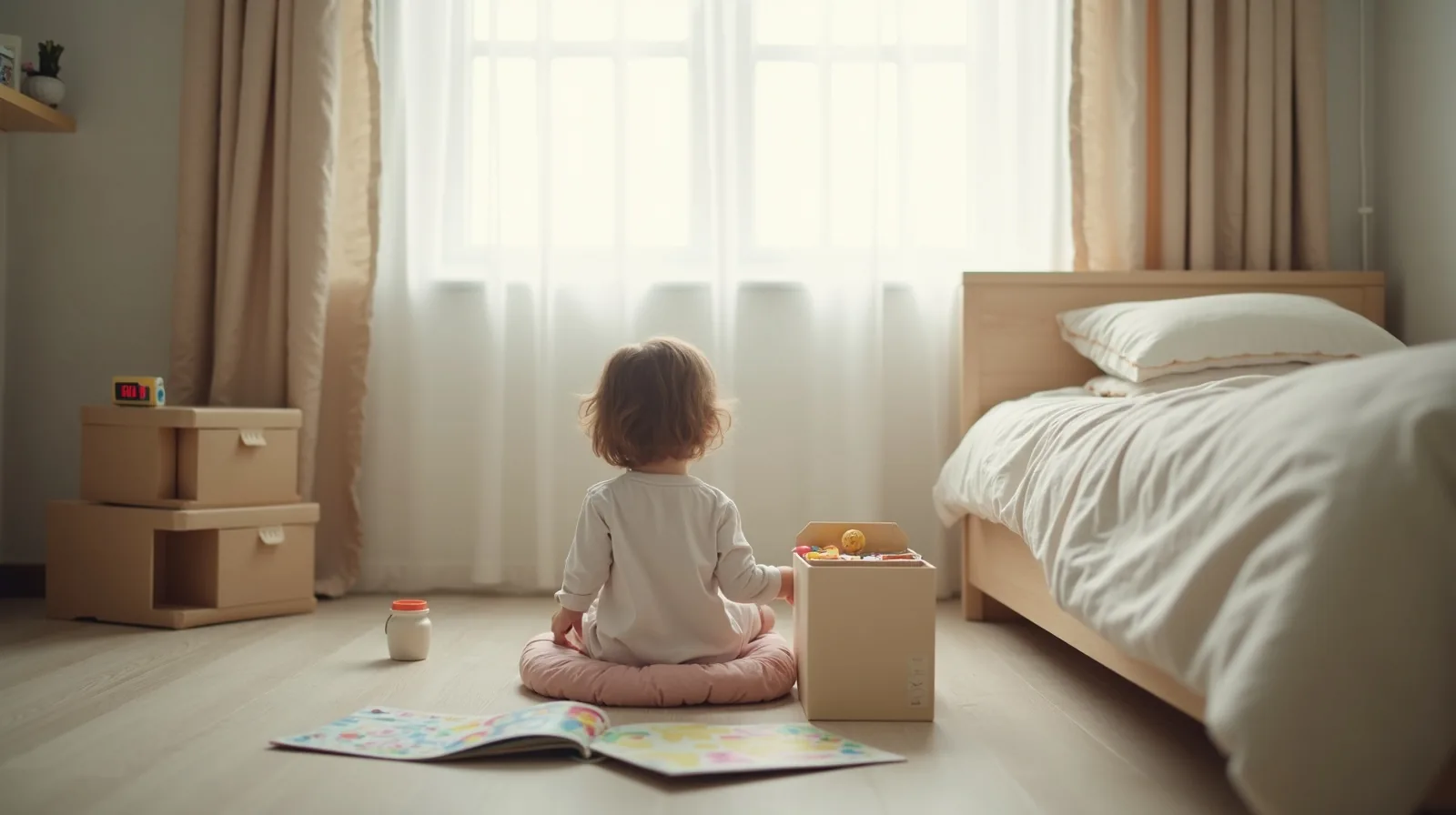
Where a toy lives matters more than most people expect. Kept in a closed bin on a high shelf, it becomes a special-occasion object. Kept in an open basket at floor level, it gets picked up on an ordinary Tuesday. Rotation helps too: put half the pieces away for a month, bring them back, and the set reads as new again.
The last ingredient is a question rather than a lesson. When the tower falls, asking which part gave way first does more than any explanation of load-bearing walls. Children will run the same experiment nine times over if nobody hurries them toward the right answer.