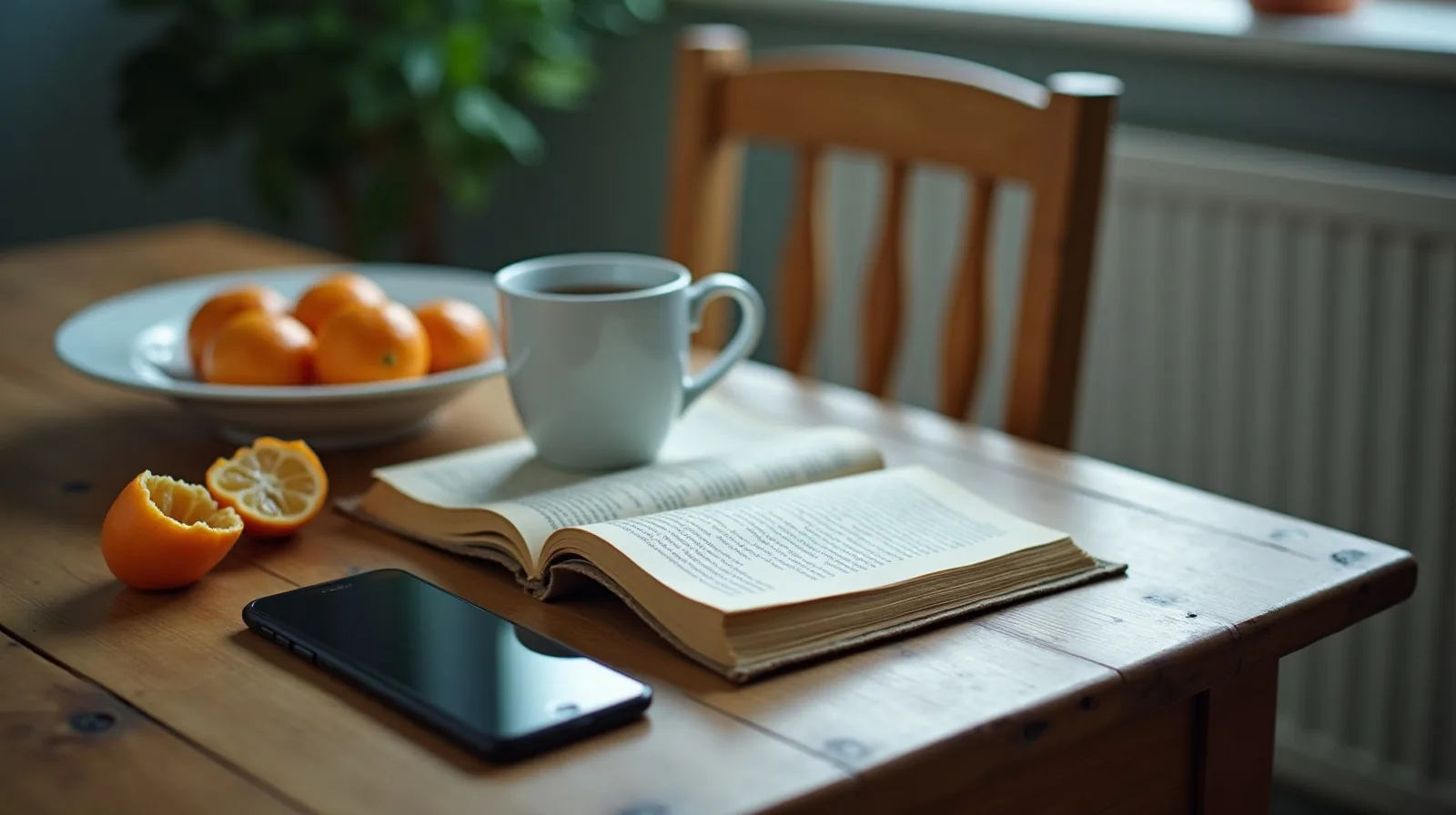
Slow living arrives mostly as a look. Linen in a neutral shade, a wooden board with three figs on it, a hand-thrown mug, morning light on an uncluttered counter. It photographs beautifully, which is exactly why it spread, and it is easy to conclude that the whole idea is a shopping category for people with quiet lives and good kitchens. Underneath the styling, though, there is a genuinely useful argument about pace — and separating that argument from its props is worth doing, because one of them is free.
What the Idea Is Actually Describing
The thinking traces back to campaigns for slower food and slower cities, which pushed against the assumption that faster is automatically better. The claim was never that speed is bad. It was that when everything is optimised for throughput, the things that only work at low speed get quietly squeezed out: a meal that takes an hour, a conversation with no agenda, a walk with no destination.
Applied to a household, slow living means doing fewer things, doing them one at a time, and leaving space between them. That definition contains no purchases at all. It also explains why the aesthetic can be present while the substance is missing — a beautifully styled kitchen can belong to someone answering email at midnight.
The Parts That Hold Up
Strip away the styling and a handful of practices survive scrutiny, mostly because they reduce the number of things competing for attention at any one moment.
- Fewer commitments. The single most effective change is saying yes to less. A calendar with gaps in it produces the unhurried feeling that no amount of ceramic ever will.
- Single-tasking. Doing one thing without a second screen running is unremarkable advice and reliably makes the task feel shorter and less draining.
- Unhurried meals. Sitting down, at a table, without a phone, for even fifteen minutes changes how a meal registers. It costs nothing and needs no particular food.
- Margin between things. Fifteen minutes of buffer around appointments removes most of the day’s low-grade panic, and buffers are free to schedule.
- Letting some chores take their own time. Hanging laundry, kneading dough, or washing dishes by hand are dull, rhythmic, and surprisingly restorative when they are not being raced through.
The Parts That Are Just Shopping
Then there is the other half, which mostly consists of objects. Handmade dishes, a linen apron, a wooden tray, a pantry decanted into matching jars. None of it is harmful, and some of it is genuinely nice to own. But objects do not slow a life down. They add maintenance, and a shelf of matching jars quietly requires refilling, wiping, and label-straightening forever.
There is also a fairness problem hiding inside the aesthetic. Unhurried mornings assume some control over a schedule, which shift workers, caregivers, and anyone holding two jobs largely do not have. Presenting slowness as a personal virtue rather than a set of circumstances turns a pleasant idea into one more thing to fail at. A useful version of the trend has to work in fragments, or it does not work for most people at all.
A Version That Fits a Busy Week
Choose one slot rather than a lifestyle. One meal a week eaten at the table without screens. One evening with nothing scheduled. One commute walked instead of rushed, if the distance allows. One chore done deliberately by hand. Pick the slot, put it in the calendar like an appointment, and protect it the way you would protect anything else with a time attached.
Then stop shopping for it. A purchase that genuinely helps, like a chair that makes reading comfortable, is fine. Anything bought to look the part belongs to the aesthetic rather than the practice, and the practice is the half that changes how a week feels.