There are two versions of a weeknight. In one, dinner is a question that ambushes you at six p.m., tired and hungry, staring into the fridge. In the other, dinner was settled at 7:45 that morning, and the house smells like it when you walk in. A slow cooker is the cheapest ticket from the first version to the second — but only if the morning part actually works. The machine isn’t the hard part; the logistics are. Get the night-before prep and the ten-minute morning start right, and the rest is just waiting.
The Night-Before Setup
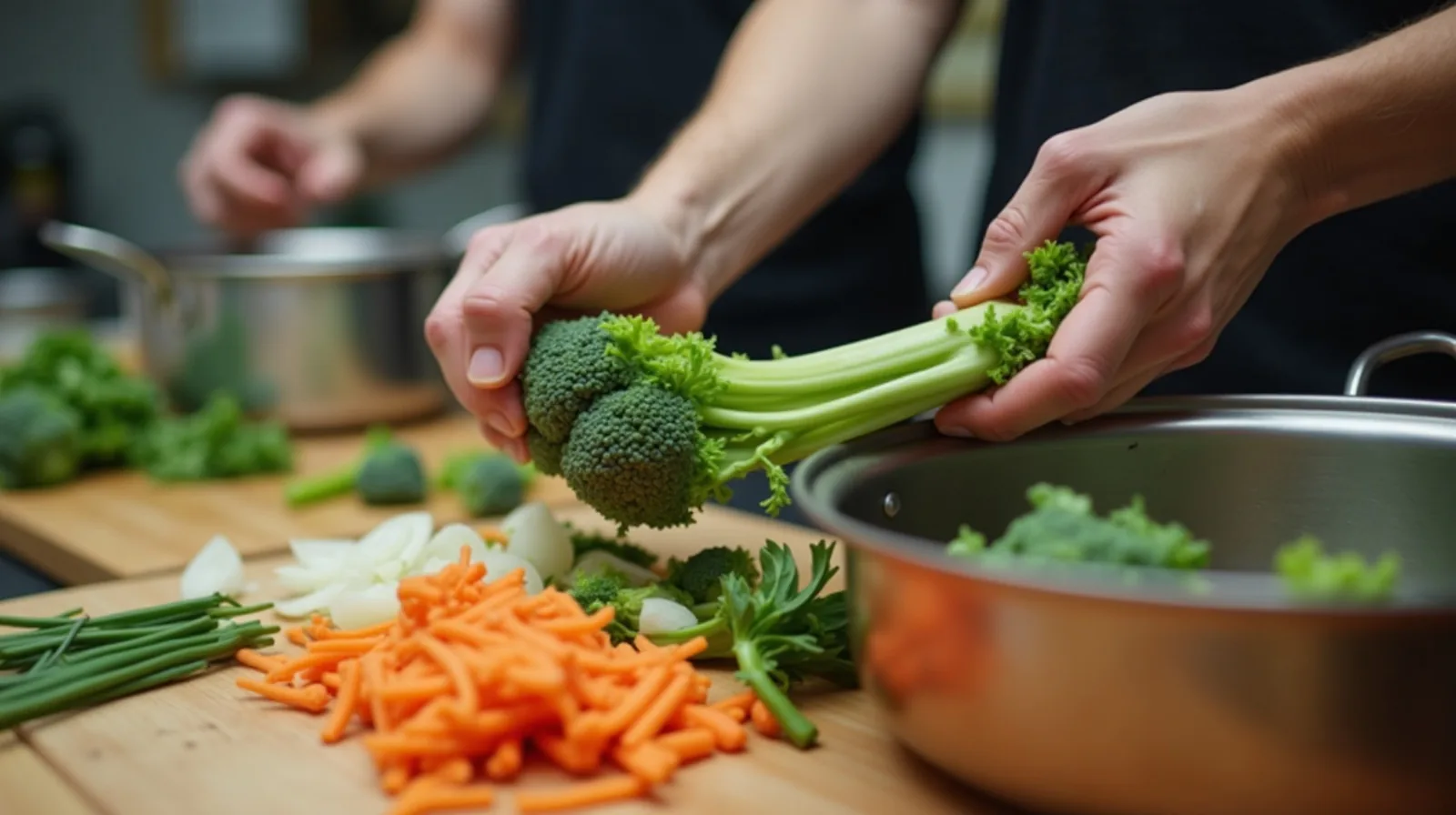
Mornings have no slack, so move every job that requires a knife or a decision to the evening before. Chop the onions and vegetables, trim the meat, measure the spices into a little bowl, and stash it all in the fridge — either in containers or loaded straight into the cooker’s removable insert with a lid of foil. One rule is non-negotiable: meat goes in fully thawed, never frozen, because a slow cooker climbs to a safe temperature too slowly to start from a block of ice; if tonight’s protein is in the freezer, move it to the fridge a day ahead. In the morning, assembly is thirty seconds of dumping, not fifteen minutes of chopping.
What Survives Eight to Ten Hours on Low
A workday plus a commute is a long cook, and not everything can take it. The happy news is that the cheapest cuts handle it best: chuck roast, pork shoulder, and chicken thighs turn silky over a long low cook, while lean chicken breast dries out and delicate vegetables dissolve. Sturdy vegetables — carrots, potatoes, celery, onions — ride along fine from the start. Anything fragile waits for the end: dairy, pasta, rice, and quick-cooking greens go in during the last stretch after you’re home, in the ten minutes while you’re changing clothes. And resist the urge to peek — every lid lift vents heat and adds cooking time.
Beyond Soup: Dinners Built for the Long Cook
The slow cooker’s reputation is soup, but its workday sweet spot is actually main courses:
- Pulled pork or chicken. Shoulder or thighs with spices and a splash of liquid; shred at six p.m. for tacos, sandwiches, or rice bowls.
- Chili. Browned ground meat or chunks, beans, tomatoes, spices — it only improves over ten hours.
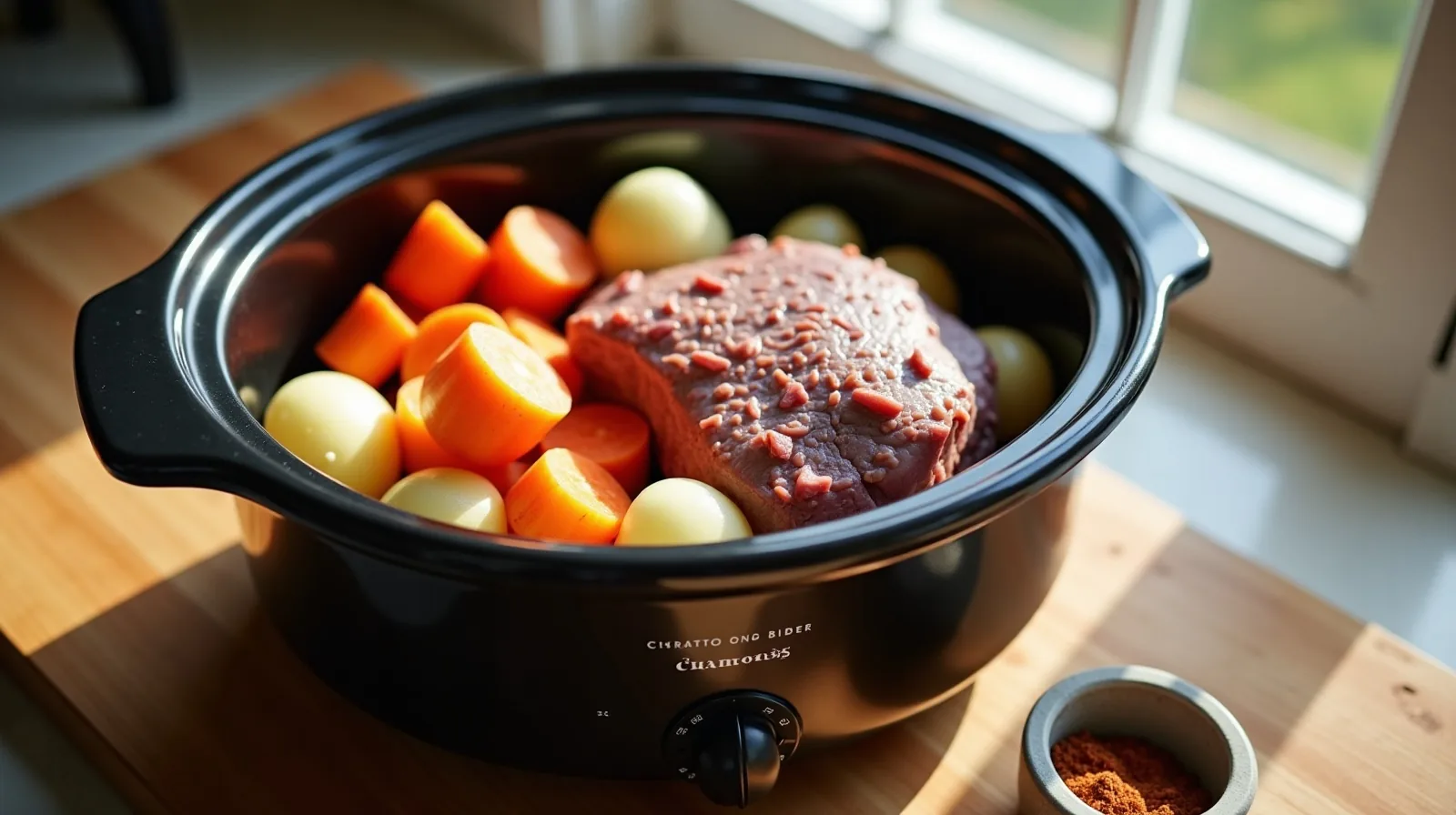
- Pot roast. Chuck roast over carrots, potatoes, and onions is the original set-and-forget dinner.
- Curry-style braises. Chicken thighs in a tomato-based curry sauce, with any cream stirred in at the end.
- A neutral shredded-chicken base. Lightly seasoned thighs cooked plain become two or three different dinners later in the week.
The Ten-Minute Morning Routine
Make the start mindless: insert out of the fridge and into the base, a quick check that there’s enough liquid (long cooks need some, but less than stovetop — the lid returns almost everything), lid on, set to low, and confirm the light is actually on before you grab your bag — the saddest slow-cooker story is the one that was never switched on. At the other end of the day, finish like a cook instead of a machine: a squeeze of citrus or splash of vinegar to wake the flavors, fresh herbs if you have them, and a five-minute side — rice, warmed tortillas, a bagged salad — while the pot does its final minutes.