Sleeping on a plane is mostly a stack of small decisions made hours before boarding. The seat, the timing, the last meal, the thing wrapped around your neck — each one either helps or quietly works against you. Almost nobody sleeps as well at cruising altitude as at home, and a perfect night is the wrong target anyway. The realistic goal is landing with enough rest to function on the first day, which is a far easier bar to clear. What follows are the choices that move the needle most, roughly in the order they come up.
The Seat Decides Most of It
A window seat is the single biggest upgrade for sleep: something solid to lean on, and nobody climbing over you at three in the morning. Book it early, and aim a few rows forward of the wing rather than the very back, where galley traffic and lavatory doors run all night. Bulkhead rows sound appealing but often come with fixed armrests and bassinet positions nearby. On a long flight, an extra-legroom row near the front is usually a better spend than any meal upgrade.
Set the Plan to the Destination Clock
Before boarding, change the watch or phone to the arrival time zone and treat that as the truth for the rest of the trip. If it is the middle of the night where the plane is landing, the job is sleep, even when it is late afternoon back home. If it is midday there, stay awake and bank the sleep for later. Shifting bedtime an hour earlier for two nights before an eastbound flight makes the first night on the ground noticeably easier, and getting outside into morning light after landing helps the body clock catch up.
Cut the Light, Flatten the Noise
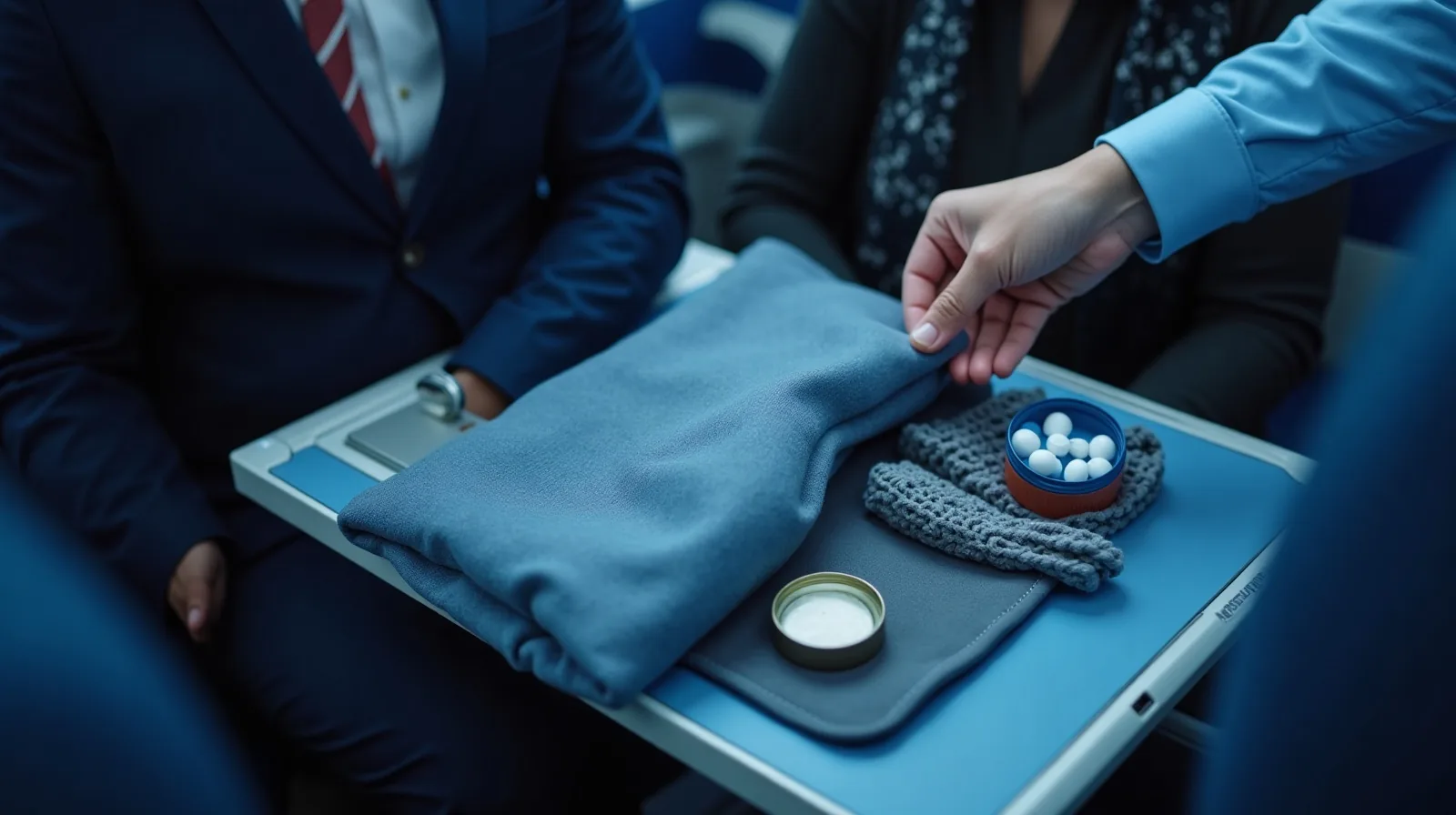
Cabin light and cabin sound are the two great thieves, and both lose to a small kit that fits in a seat-back pocket.
- A contoured eye mask. The kind with molded cups blocks more light than a flat strip and keeps pressure off the eyelids, which matters over eight hours.
- Foam earplugs plus headphones. Earplugs handle the sharp noises; over-ear headphones smother the low engine drone. Together they beat either one alone.
- A long scarf or light layer. Cabins run cold at cruise and the blankets are thin. Something that wraps loosely also signals to the crew that waking you is unnecessary.
- Water within reach. Fill a bottle after security so nobody has to rouse you for the cart, and dry cabin air stops turning into a scratchy throat.
- Shoes off, socks on. Swollen feet in tight shoes will wake you long before turbulence does, and slip-ons make the lavatory trip painless.
What to Skip
A drink before takeoff feels like a shortcut and behaves like the opposite: alcohol tends to shorten the deep stretch of sleep and leaves you drier than the cabin already does. A heavy meal late in the flight does something similar. Caffeine has a longer tail than most people expect, so cutting it well ahead of the intended sleep window is worth the small misery. Sleep aids are a different matter entirely — whether an over-the-counter option or a prescription makes sense for a long flight is a question for your doctor, ideally raised in advance rather than at the gate.
Support the Head, Not Just the Neck
Most travel pillows fail for the same reason: they cushion the back of the neck, which was never the problem. The head tipping sideways is. A firmer pillow worn with the thick part in front, tucked under the chin, or a scarf rolled and wedged between the head and the window, keeps everything upright. Reclining the seat as soon as the cabin dims helps too, as does fastening the seatbelt over the blanket so nobody needs to wake you at the first patch of rough air.