Every few months a new study about screens and sleep makes the rounds, and the coverage swings between “your phone is ruining your sleep” and “blue light was a myth all along.” Read the research itself and a steadier picture emerges — one that has held up across years of studies and is far more useful than either headline. The durable takeaway: the light from your screen matters less than researchers once thought, and what you’re doing on the screen matters more. That distinction changes what’s actually worth doing about it.
The Blue-Light Story, Right-Sized
The original concern was reasonable: light in the blue range suppresses melatonin, the hormone that helps time sleep, and screens emit it inches from your face. The effect is real — but when researchers measured it under typical conditions, it came out modest: a normally bright phone at normal distance shifts things far less than the early alarm suggested, and studies of night-mode and blue-light-filtering settings have generally found small or negligible benefits on their own. Light still matters — a brightly lit room at midnight is doing you no favors — but the glow of the screen turned out to be a supporting actor, not the villain.
What Screens Actually Take
The findings that keep replicating point somewhere else entirely. First, displacement: the plainest way screens cost sleep is by consuming the hour you meant to spend asleep — “one more episode” and the infinite scroll are engineered to make stopping feel abrupt. Second, arousal: interactive, emotionally charged content — feeds, arguments, work email, competitive games — leaves the mind revved at exactly the moment it needs to idle, and studies fairly consistently find that kind of use harder on sleep than passive watching. A calm show has a different signature than a heated comment thread, even at identical brightness.
What’s Actually Worth Doing
The practical moves follow directly from those two findings:
- Give the night an off-ramp. A rough “screens park here” time — even twenty or thirty minutes before lights-out — protects sleep from displacement better than any filter setting.
- Sort by engagement, not by device. If a screen is on late, favor the calm and passive over the interactive and charged. The feed and the inbox are daytime rooms.
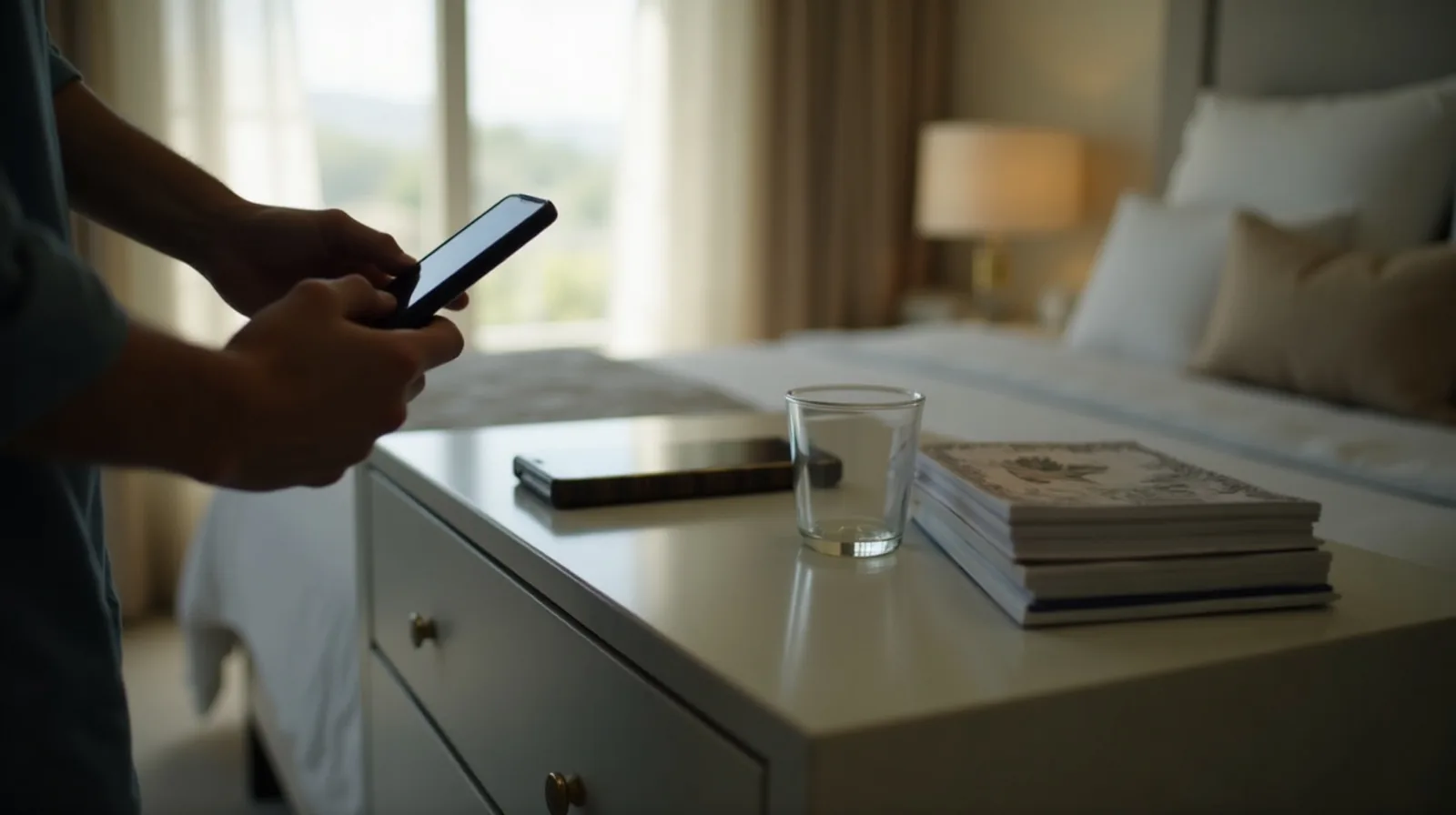
- Move the charger. A phone charging across the room ends the in-bed scroll without a nightly willpower contest — and a paper book fills the slot surprisingly well.
- Dim the room, not just the phone. Low, warm lamplight in the last hour supports the wind-down the screen settings were supposed to deliver.
- Keep the wake time steady. A consistent morning anchors the whole sleep cycle, which makes the evening wind-down arrive more or less on its own.
If Sleep Still Isn’t Coming
Screen habits are the adjustable part of the picture, not the whole picture. If you regularly lie awake long after the phone is parked, snore heavily, or drag through most days despite decent hours in bed, that pattern deserves more than better settings — persistent insomnia and other sleep problems are common and treatable, and a doctor or qualified sleep specialist is the right place to start. Treat the habits above as sensible defaults, and treat ongoing sleeplessness as a signal worth taking seriously rather than a settings problem to keep tweaking.