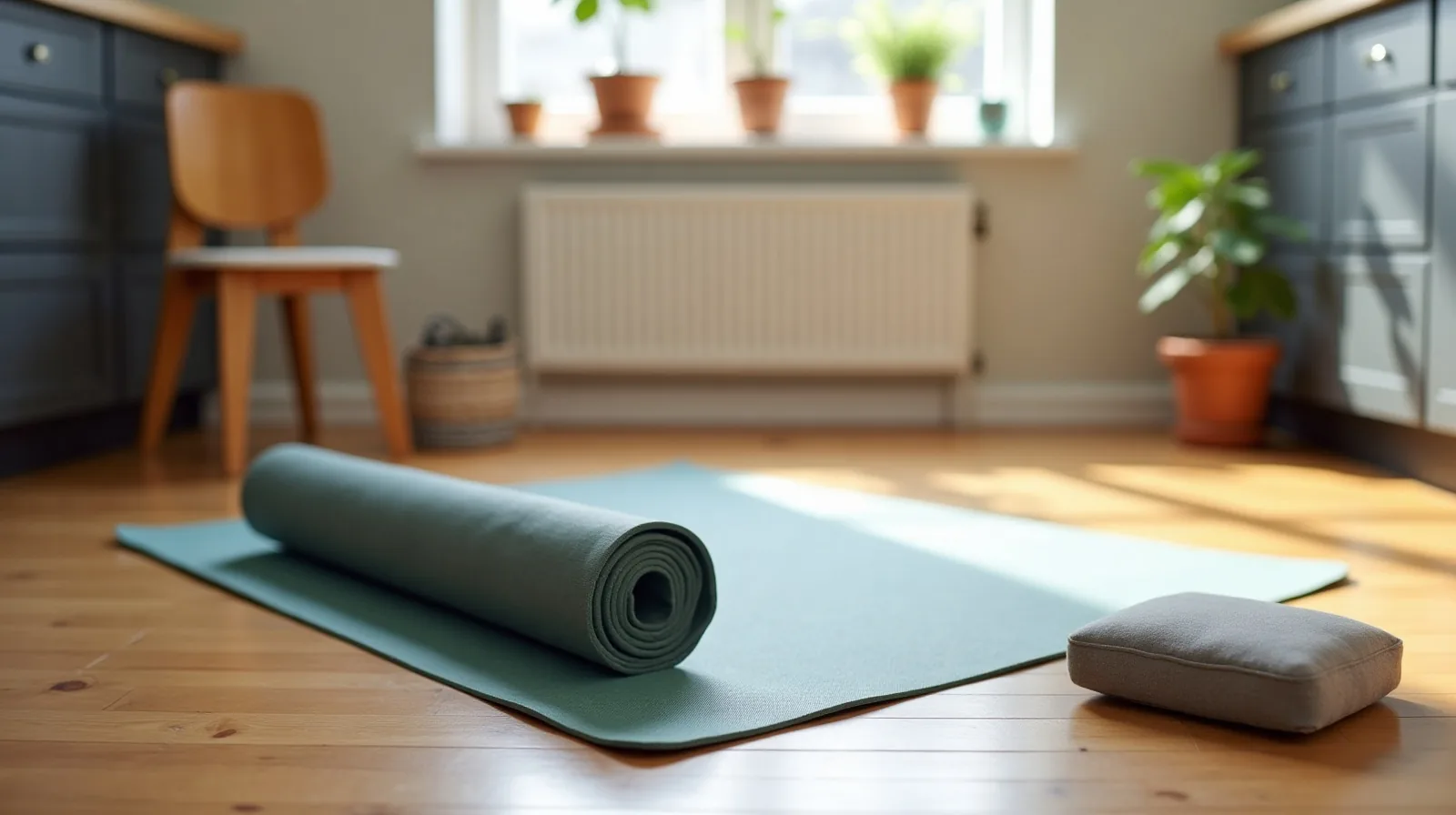
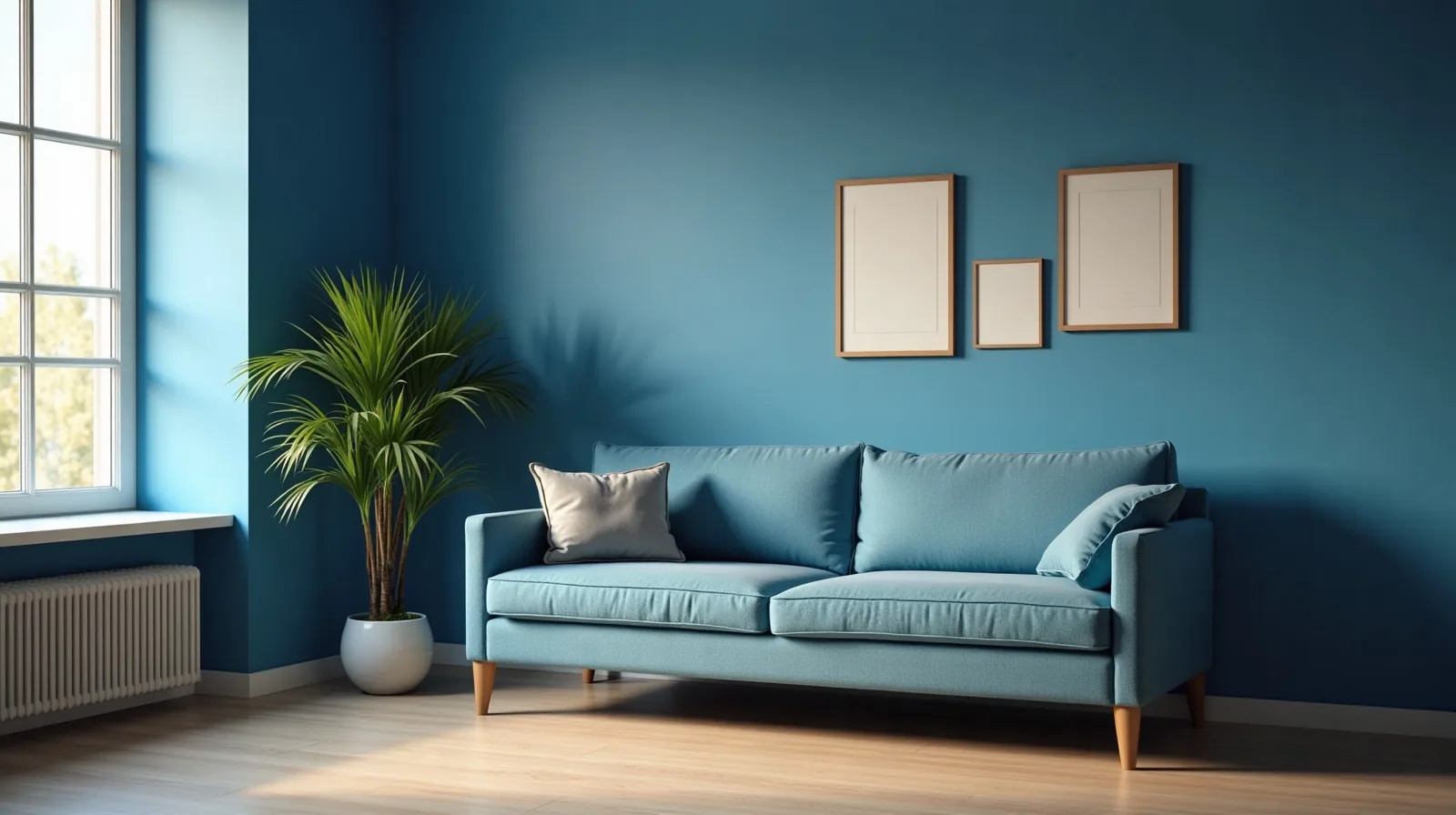
There’s a particular kind of tired a room gets that has nothing to do with mess. Everything is put away, nothing is broken, and yet the space feels flat — you stopped seeing it somewhere around the hundredth time you walked through it. The instinct is to blame the furniture and start pricing a remodel. Resist. Most tired rooms don’t need new things; they need the old things seen differently — and the levers that change how a room reads are almost embarrassingly cheap. A focused weekend covers all of them.
Paint One Wall, Change the Whole Room
Paint remains the best value in home improvement, and you don’t even need to paint the whole room to collect. One accent wall — usually the wall your eye lands on first from the doorway — in a deeper or warmer color resets the entire space for the cost of a quart or two, a roll of painter’s tape, and a Saturday. Prep is the actual job: clear the wall, tape the edges and trim slowly, lay a drop cloth wider than you think you need, and cut in the edges with a brush before you roll. Do it Saturday morning so the wall can dry while you handle everything else, and keep a window open for ventilation while you work.
Rearrange Before You Buy Anything
The free move comes next: pull the furniture away from the walls and try a layout you’ve never tried. Angle the sofa toward the window instead of the television, float a chair into a corner to make a reading spot, walk the room’s natural path and notice what blocks it. Most rooms settled into their current arrangement on moving day and were never questioned again — which means there’s usually a better version hiding in the same square footage. Rearranging also forces you to vacuum the places nobody has seen since that moving day, a bonus refresh all by itself.
The Small Swaps That Read Big
With the wall drying and the layout new, spend Sunday on the details that carry a surprising share of a room’s personality:
- Swap the textiles. Throw-pillow covers, a different blanket, a fresh curtain panel — fabric is the cheapest way to move color around a room.
- Warm up the light. Trade harsh bulbs for warmer ones, add a lamp to a dark corner, and put the overhead glare on notice. Lighting changes a room’s mood faster than furniture ever will.
- Regroup the walls. Take everything down, then rehang fewer pieces, grouped with intent. Frames you already own, arranged fresh, read like new art.
- Edit the surfaces. Clear every shelf and tabletop completely, then put back only the best two-thirds. Negative space is free and looks expensive.
- Add one living thing. A hardy potted plant or a jar of grocery-store stems gives the corner of a room a pulse.
Sequence It So It Actually Finishes
The difference between a refreshed room and a half-taped wall you live with for a month is sequencing. Saturday: prep and paint in the morning, then rearrange furniture in the afternoon while the wall dries. Sunday: a second coat if the color needs it, then textiles, lighting, walls, and surfaces — in that order, because each job is quicker than the last and momentum matters on day two. Set a small budget ceiling before you start and shop your own house first; the point of the weekend is to prove the room was never the problem. Seeing it was.