Food is the line item that quietly decides whether a trip comes in over budget. Flights and lodging get booked in advance, compared, and agonized over; meals get decided when you are hungry, tired and standing outside somewhere with a menu in the window. Three sit-down meals a day, plus coffees and the drink that turns into two, adds up faster than almost anything else on the trip. The fix is not eating badly or living on supermarket bread. It is deciding a few things before hunger does.
Where the Food Budget Actually Goes
Track a typical travel day and the pattern is usually the same. Breakfast at the hotel or the first cafe you pass costs several times what it should. Lunch happens wherever you are at one o’clock, which on a sightseeing day means the streets around the busiest attraction, where prices are set for people who will never come back. Dinner is the meal you actually chose, and it is often fine. Then there are the fillers: bottled water, station snacks, a coffee bought mostly to sit down.
Two of those categories are almost pure leakage. Fixing breakfast and the incidental spending, without touching dinner at all, usually changes the shape of the whole budget.
Breakfast Is the Cheapest Thing to Fix
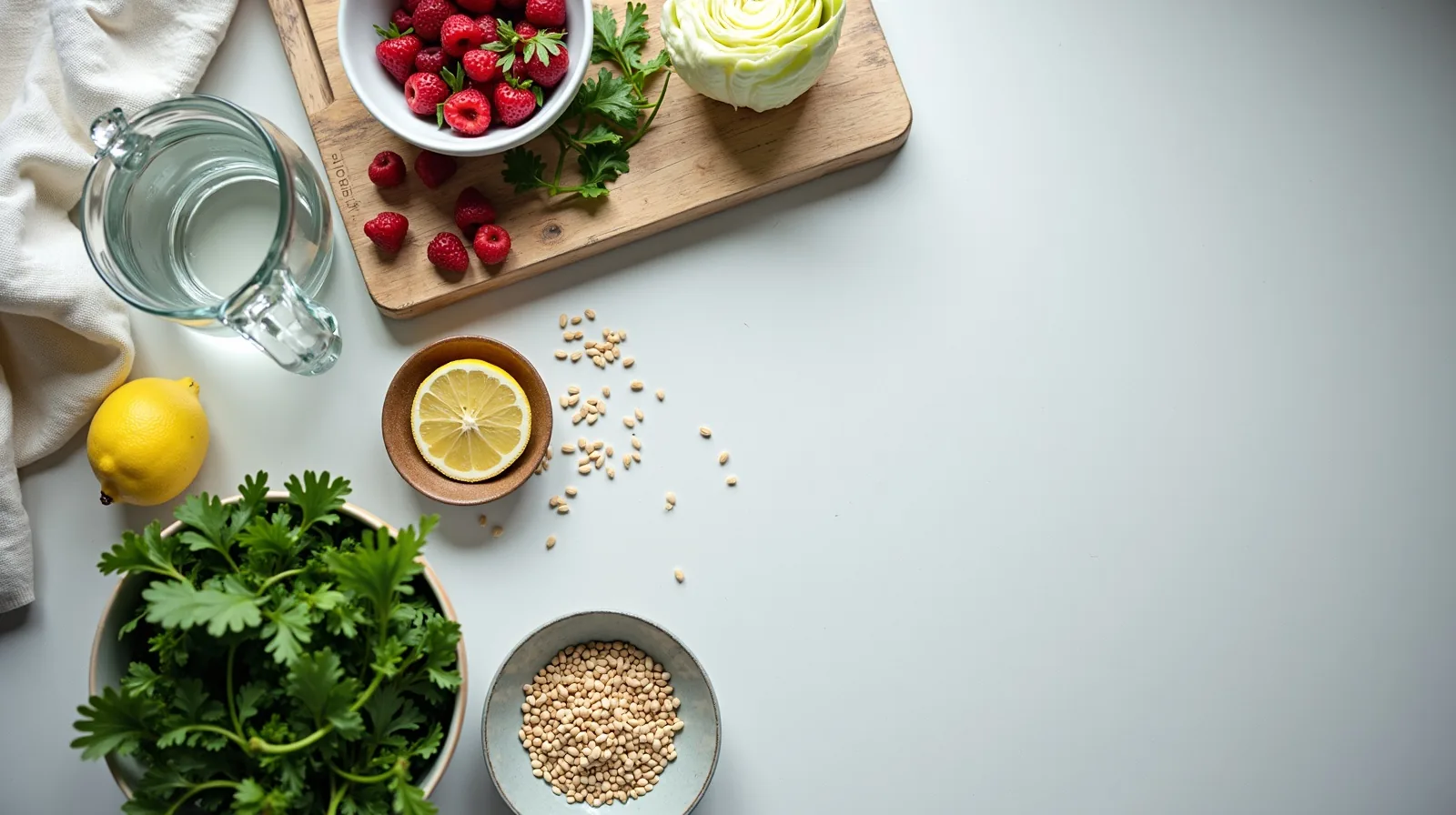
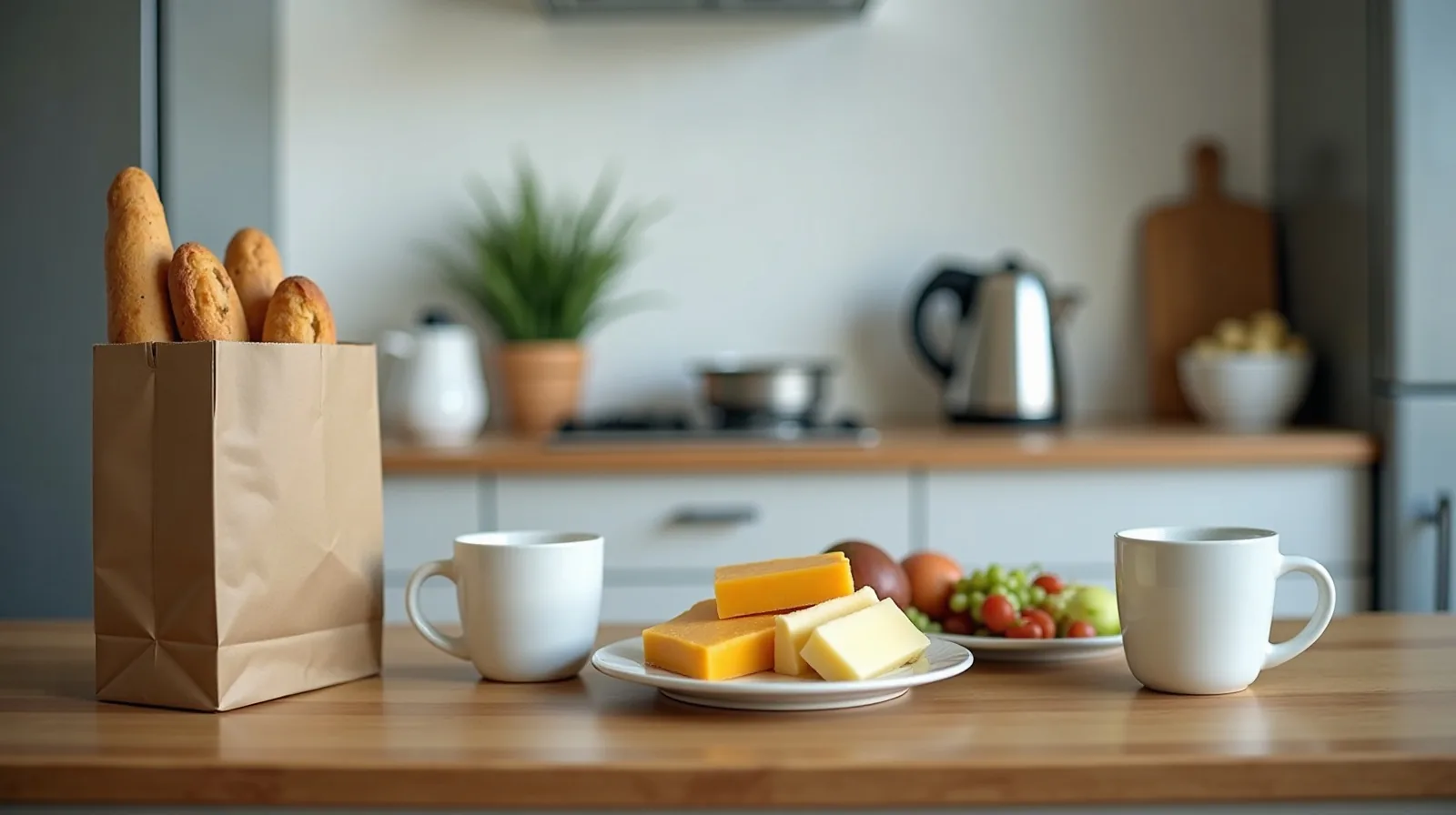
A hotel breakfast is often the worst value meal of the day, and the cafe nearest a tourist district is not far behind. A twenty-minute grocery stop on the first evening solves the next four mornings: bread or pastries, fruit, yogurt or cheese, coffee if the room has a kettle. Bakeries are the other good answer — almost every country has a place where locals grab something small and cheap on the way to work. Refilling a water bottle where the tap water is safe removes another daily cost that feels small and is not.
One Big Meal, Then Smaller Ones
Rather than three restaurant meals, build the day around one proper one, and make it lunch. Many restaurants run a set midday menu at a fraction of the evening price for a version of the same food, and the room fills with people who work nearby rather than people passing through. That leaves the evening for something light: market food, a shared plate, or a picnic assembled from a grocery stop and eaten somewhere with a view. It also spares you a heavy dinner at ten at night.
Markets, Grocery Stops, and a Fridge in the Room
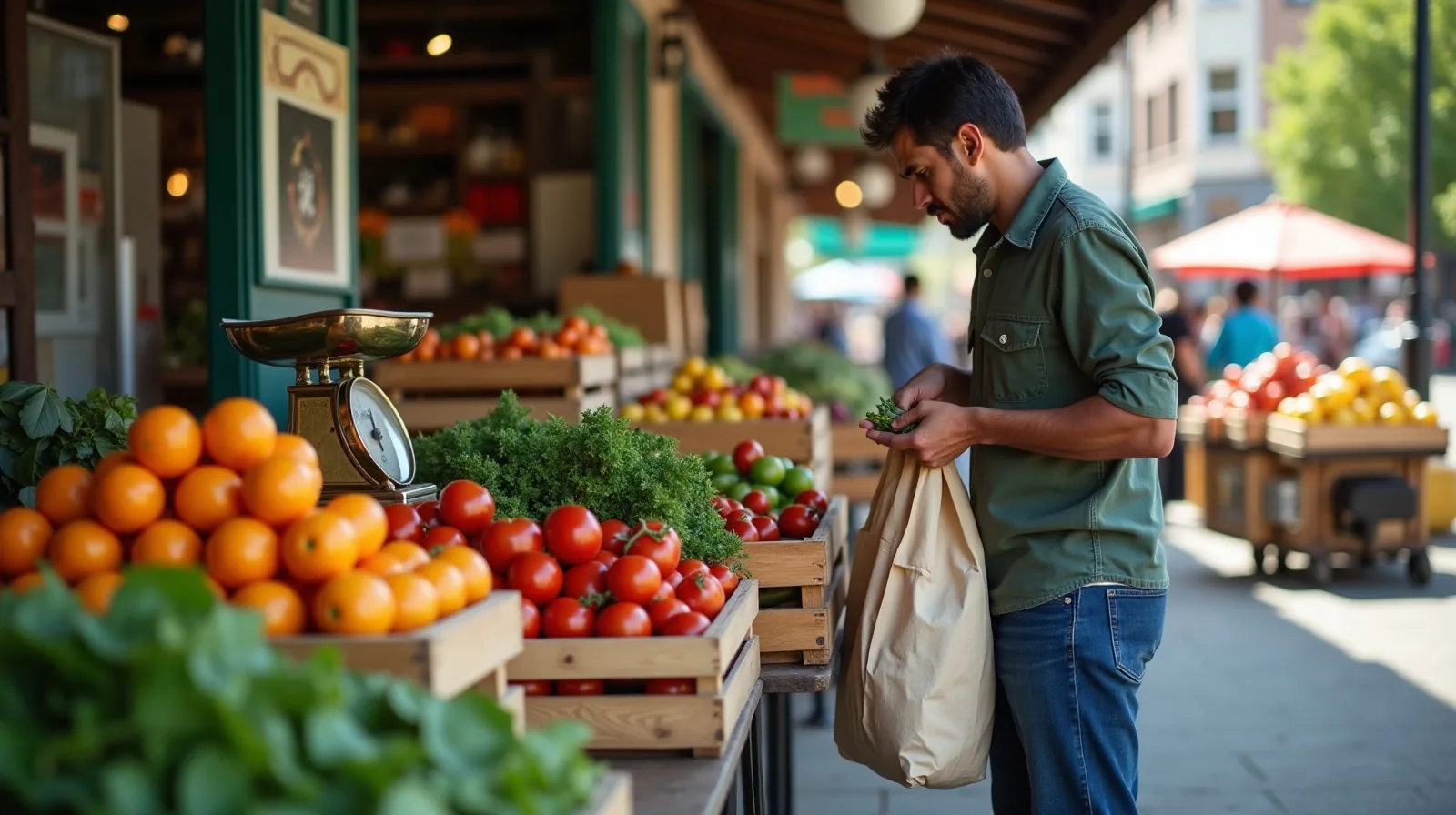
Local markets and ordinary supermarkets are worth visiting for their own sake, and they happen to be where the money stops leaking. A small, repeatable list covers most of it.
- Bread and something to put on it. Cheese, cured meat, or a spread. This is breakfast and half of an evening picnic in one purchase.
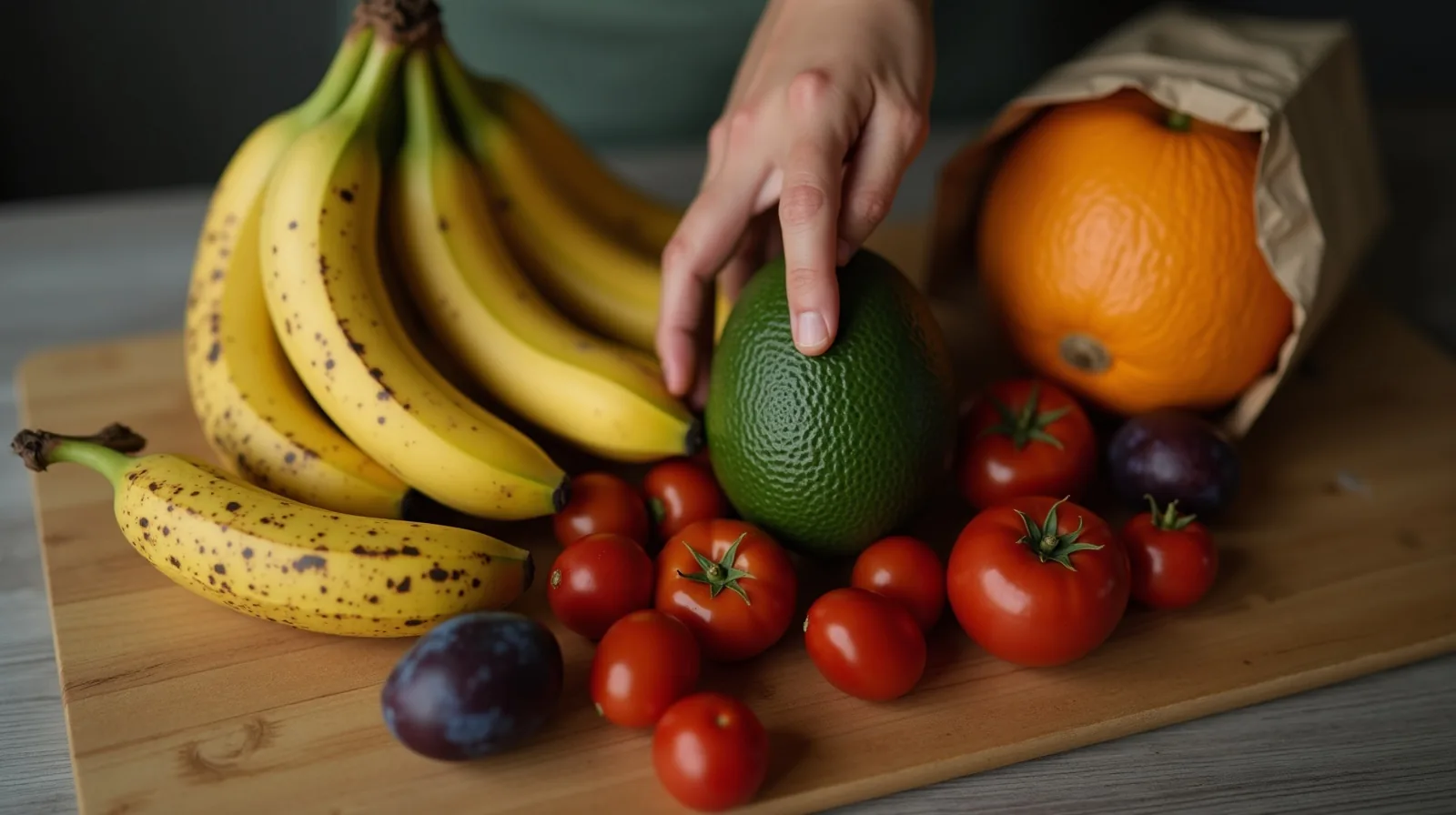
- Fruit you can carry. Whatever is in season locally is cheap, good, and stops the mid-afternoon station snack from happening.
- A prepared item from the counter. Roast chicken, a rice dish, a stuffed pastry: hot food at grocery prices, and often a genuinely local one.
- Coffee or tea for the room. Two minutes and a kettle replaces the first cafe stop of every morning.
- One thing you cannot get at home. The point is not austerity. A regional cheese costs less than dessert and is more memorable.
When booking, filter for a kitchenette or at least a small fridge. It rarely costs more than an equivalent room without one, and it turns a single grocery stop into three breakfasts, cold drinks and leftovers that survive the night.
Eating Well Without Eating Out Constantly
None of this is about eating less well. The best food on most trips is not in restaurants with laminated photo menus; it is at market stalls, bakeries, tiny counters with four seats, and the food hall under a department store. Walk a few streets away from any major sight before choosing anywhere, look for places busy with people who are clearly not on holiday, and eat at the hours locals do. The budget takes care of itself, and the meals get better.