Every parent has heard the eye roll that follows “You should be grateful.” The intention is good, but gratitude rarely sticks when it arrives as a lecture. Kids tend to absorb it the same way they pick up most habits: by watching the adults around them, practicing in small doses, and feeling how good it is to notice kindness. The aim is not perfect manners on demand but a child who slowly starts to see what other people do for them.
Why Lectures Tend to Backfire
Telling a child how lucky they are usually lands as guilt, not appreciation. A young child cannot easily compare their life to someone else’s, so the message often sounds like criticism. Older kids may hear it as a reason to argue. Prompting a thank-you in front of others can also turn the moment into a performance, where the words come out but the feeling does not.
Child development research generally describes gratitude as something that grows over years, in step with a child’s ability to understand that someone else chose to help them. That takes time. Short, warm, repeated moments do more than any single speech, and they leave room for the feeling to become the child’s own.
Say Your Own Thanks Out Loud
Kids notice what adults notice. When grown-ups thank each other, the bus driver, a neighbor or a sibling in plain view, children learn that appreciation is ordinary and expected. The more specific, the better. “Thanks for clearing the table, that made the evening easier” teaches more than a quick “thanks” because it names what someone did and why it mattered.
It also helps to narrate kindness kids might miss. Pointing out that a grandparent drove an hour to visit, or that a friend saved a seat at lunch, gives a child a reason to see the effort behind something that might otherwise feel automatic.
Build Small Daily Rituals
Gratitude grows fastest when it has a regular spot in the day. Pick one or two habits that fit the family’s rhythm rather than adding a big new routine. A few that tend to last:
- Dinner round: everyone shares one good thing from the day, however small, with no pressure to make it deep.
- Bedtime recap: in the quiet minutes before lights out, ask who helped them today or what made them smile.
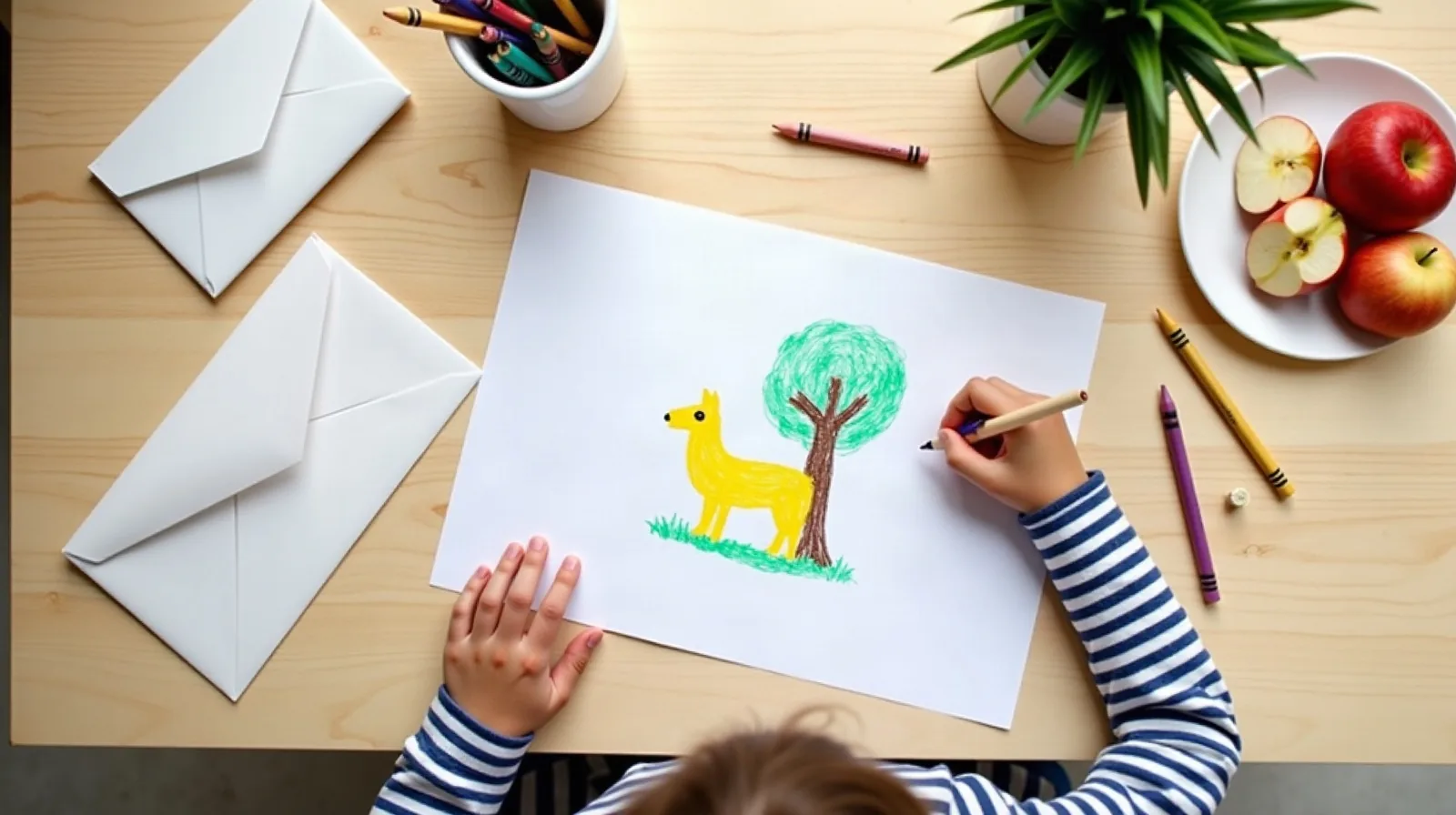
- Thank-you drawings: younger kids can draw a picture for a teacher, coach or relative instead of writing a formal note.
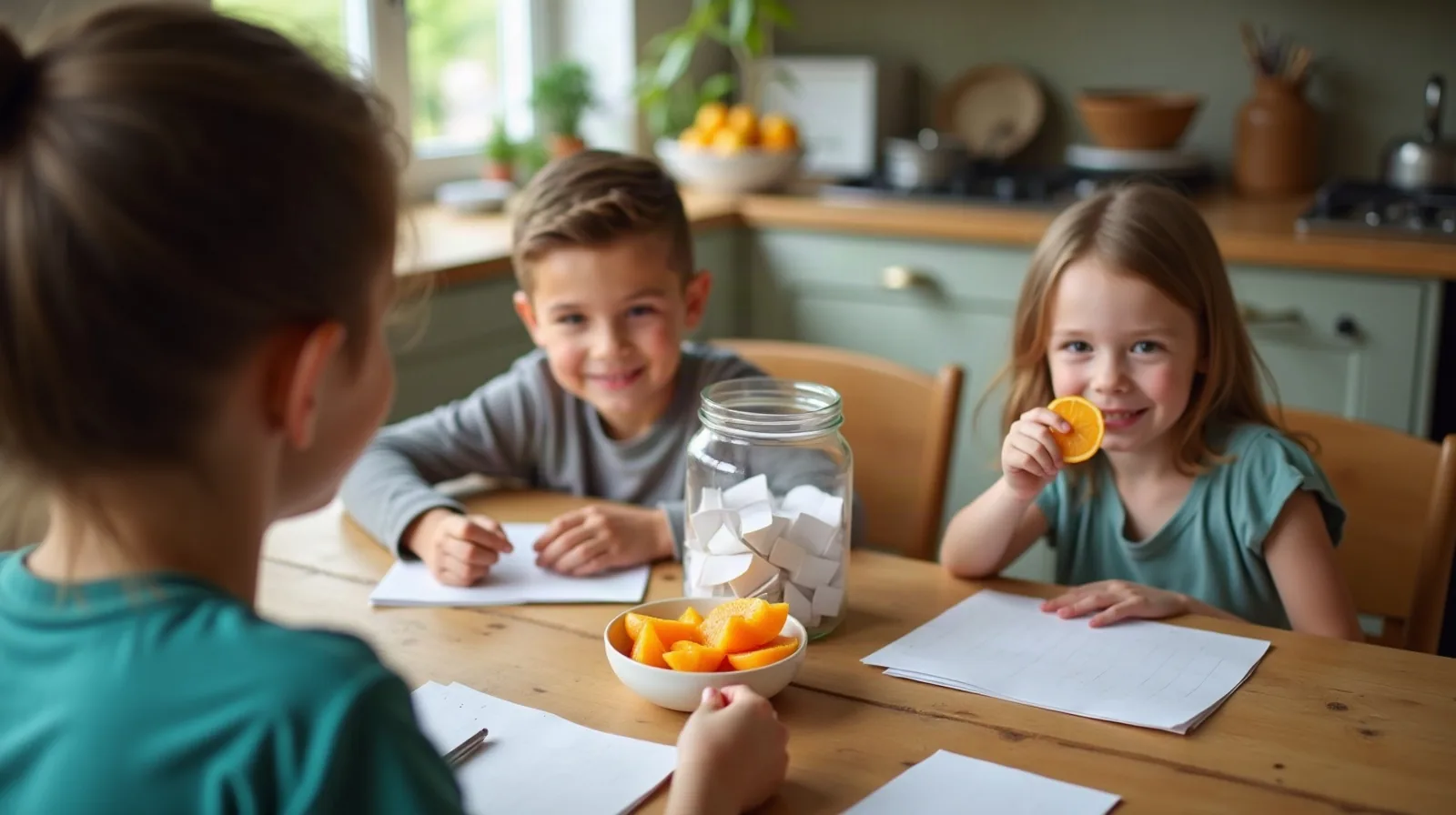
- Gratitude jar: family members drop in a slip whenever someone does something kind, then read them together at the end of the month.
Keep these light. If a child says “nothing” one night, let it go and try again tomorrow. Forcing an answer teaches only that the ritual is a chore.
Turn Thanks Into Action
Appreciation deepens when kids get to be on the giving side. Let them help choose canned goods for a food drive, carry groceries for an older neighbor, or bake something for the crossing guard. Afterward, a simple question such as “How do you think that felt for them?” connects the effort to its effect without turning it into a lesson.
Regular jobs at home count too. A child who sets the table or folds towels starts to understand how much work goes into everyday comforts, which makes the thanks they hear and give feel more real.
Keep Expectations Age-Sized
A three-year-old may parrot “thank you” with no idea why it matters, and that is fine; the words come first and the meaning follows. School-age kids can start to name specific kindnesses, and teens often feel more than they say. Self-centered phases are a normal part of growing up, not a sign that the effort has failed. If a child seems persistently withdrawn, unhappy or unable to connect with others, a pediatrician or a qualified child counselor is a good person to talk to.