The quiet-luxury look — those unbranded, perfectly fitted, softly neutral outfits that read as expensive from across a room — comes with a delicious loophole: the entire aesthetic depends on nobody being able to tell where anything came from. There are no logos to display and no labels to check. What actually reads as “expensive” is a short list of visible qualities — fit, fabric, color, and condition — and every one of them is available on a small budget to anyone willing to shop a little differently.
What Actually Reads as Expensive
Strip away the mystique and the eye is judging four things. Fit: clothes that skim the body and end in the right places, neither straining nor swimming. Fabric: material with enough weight to drape and move instead of clinging with static. Color: a narrow, coordinated palette where everything belongs with everything else. Condition: no pilling, no wrinkles, no stretched-out hems. Price appears nowhere on that list — which is why a well-tailored, well-kept outfit that cost very little routinely out-dresses an expensive one grabbed off the back of a chair.
The Palette Does Half the Work
Pick a tight range — cream, oatmeal, camel, grey, navy, black, perhaps one soft accent — and stay inside it. A small wardrobe in one palette looks deliberate and multiplies itself: every top goes with every bottom, and even a plain outfit looks composed because nothing on it argues. A quiet palette is also the budget shopper’s best disguise, since simple pieces in calm colors give away the fewest signals about what they cost. Loud prints and novelty details date quickly and read cheap quickly; a plain navy sweater is close to unreadable.
The Small-Budget Playbook
With the palette set, the rest is a handful of shopping moves:
- Shop with your hands. Judge fabric by weight and feel — heavier usually drapes better — and favor natural fibers like cotton, wool, and linen, or blends that bounce back from a gentle scrunch in your fist.
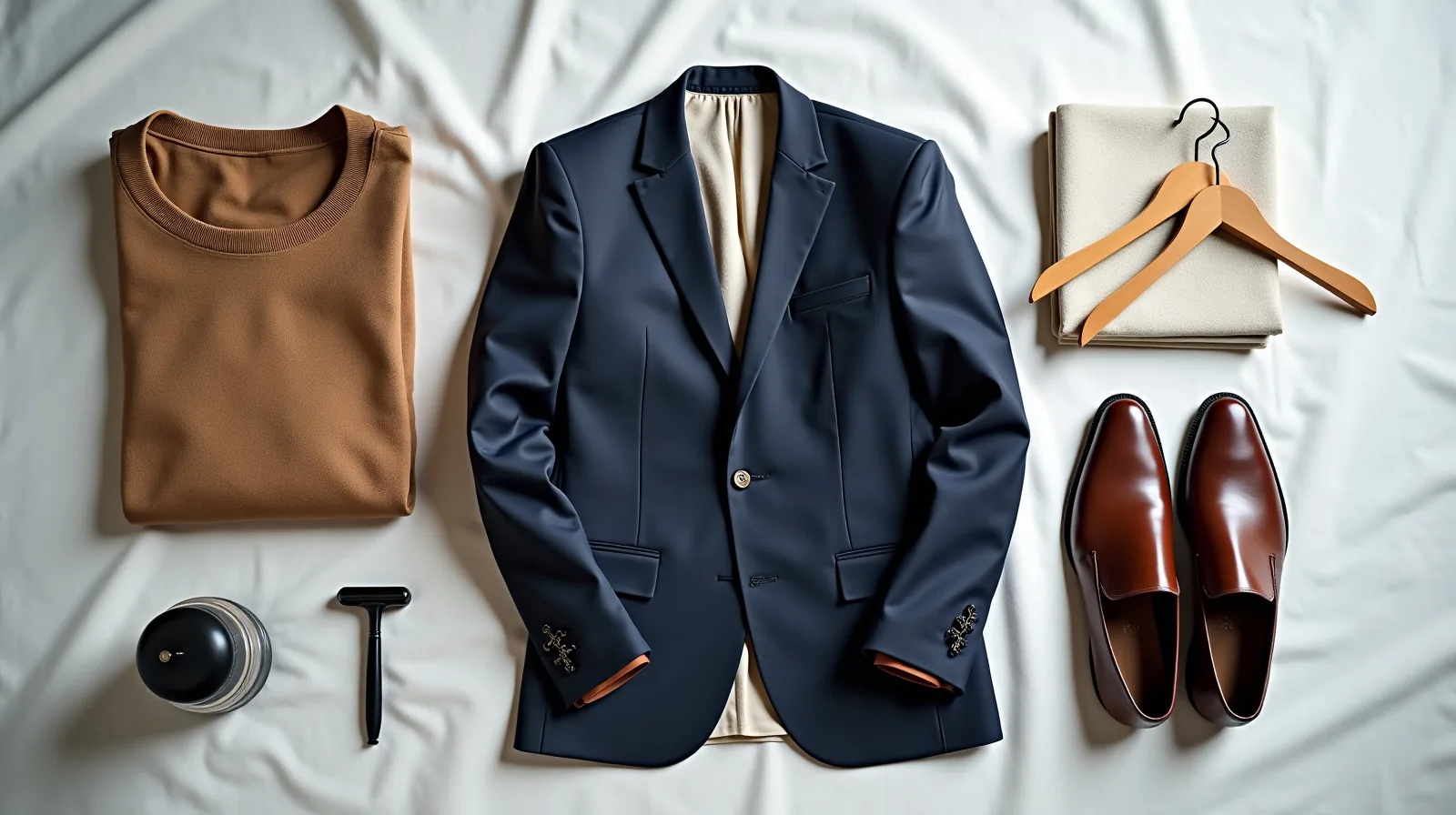
- Budget for tailoring. A simple hem or waist adjustment costs little and is the single biggest upgrade there is — an inexpensive blazer that fits beats a costly one that doesn’t, every time.
- Go logo-free. Skip visible branding entirely. It’s the whole point of the look, and it costs nothing.
- Hunt secondhand. Thrift and consignment racks are full of high-quality fabric at low prices — and since nobody can read a label from across the room, where it came from is irrelevant.
- Buy fewer, repeat often. A handful of pieces worn in rotation and kept immaculate reads richer than a packed closet of one-offs.
Upkeep Is the Real Luxury Signal
The final tell isn’t what the clothes are — it’s how they’re kept. Steam or iron out wrinkles before wearing anything; a wrinkled expensive shirt loses to a pressed cheap one every single time. Shave the pills off knits with a fabric shaver, retire wire hangers for wooden or sturdy ones so shoulders keep their shape, wash things less often and more gently, and keep shoes clean — scuffed shoes quietly undo everything happening above the ankles. Ten minutes of care a week is the cheapest line item in the whole aesthetic, and it’s the one that most reliably reads, from across the room, as quiet money.