
Hearing rarely disappears in one dramatic moment. It thins out, slowly, across decades of ordinary noise: a commute with the volume nudged up to beat traffic, a weekend of yard tools, a room where the music sat a little too loud for a little too long. None of those days registers as damage while it happens. The ringing fades by morning, so the day gets filed as fine. The most useful thing to understand about noise is that the account it draws on does not refill, which is exactly why small habits now matter more than any fix later.
How the Damage Adds Up
Inside the inner ear sit thousands of microscopic hair cells that translate vibration into signal. Loud sound bends and eventually breaks them, and in humans they do not grow back. That is the whole story in one paragraph. What follows from it is that noise exposure behaves like a running total rather than a series of separate incidents — every loud afternoon adds to the same tally. Temporary muffling or ringing after a concert is the ear reporting that it took a hit; the sound coming back the next day does not mean the tally reset.
The Exposures That Actually Matter
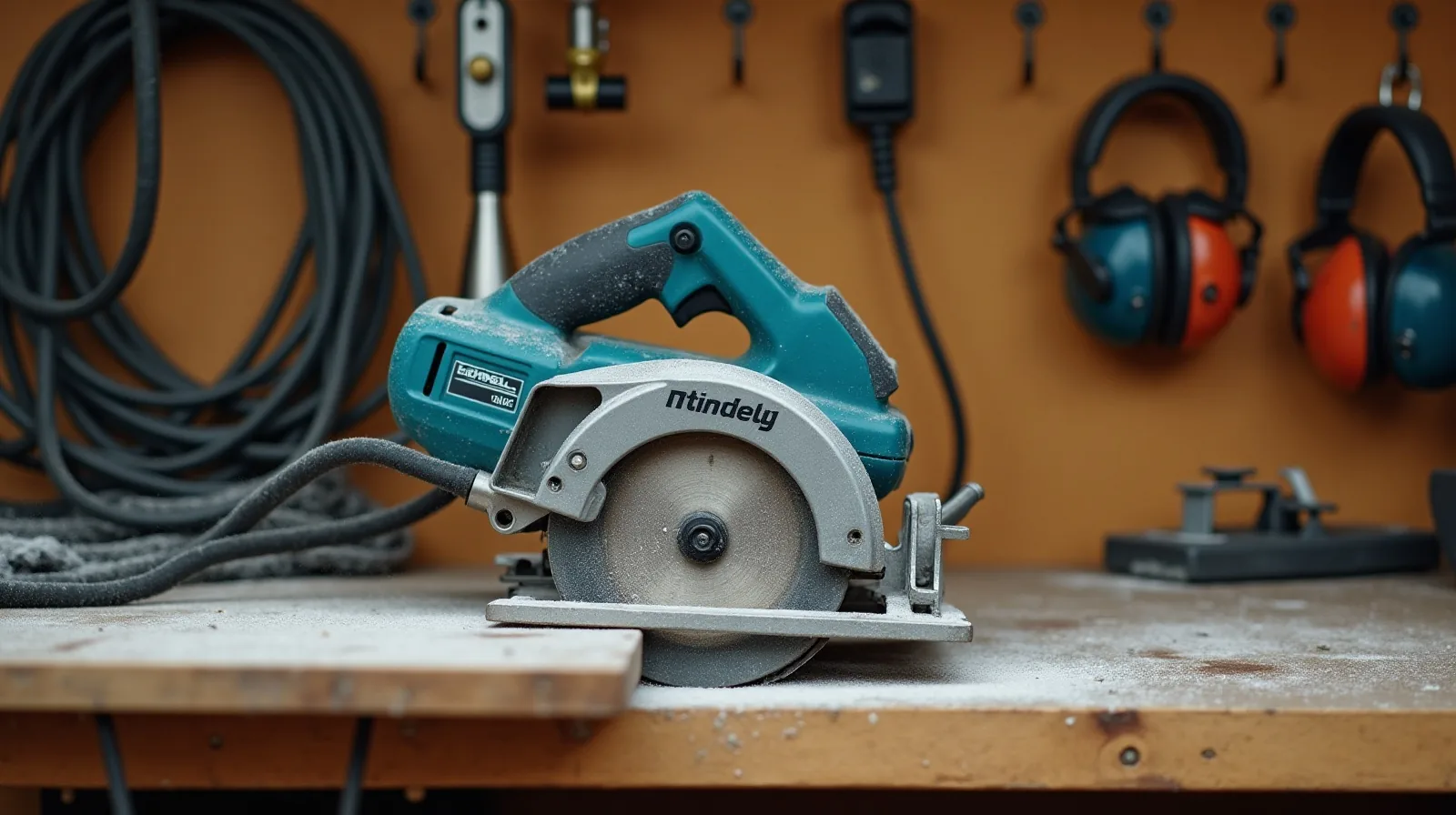
Most people picture a rock show, but the everyday sources tend to do more cumulative work. Headphones are the big one, mainly because they get louder on noisy commutes and stay on for hours. Power tools and yard equipment run well above a safe conversational level and are often used without any protection at all, sometimes for a whole Saturday. Venues, gyms with aggressive sound systems, and hand dryers in tiled rooms all spike higher than expected. A rough field test: if a conversation at arm’s length requires raised voices, the room is loud enough to be worth managing.
Volume and Time, Together
Guidance from public health bodies generally treats loudness and duration as a pair, because the safe listening time falls sharply as volume climbs — a modest increase in level can cut the tolerable exposure to a fraction of what it was. A few practical habits follow from that shape.
- Set a ceiling and keep it. Most phones and players have a volume-limit setting buried in accessibility or sound options. Turn it on once and it quietly does the work forever.
- Use isolation instead of volume. Noise-cancelling or well-sealed earphones let you hear at a lower level on a train, which is a bigger win than any listening rule.
- Take quiet breaks. Stepping outside a loud venue for a few minutes, or pausing between long listening sessions, gives the ear recovery time.
- Keep protection where the noise is. Foam plugs in the toolbox and earmuffs on the garage hook get used; the pair in a kitchen drawer never do.
- Stand back from the speakers. Distance drops the level fast, and a few steps at a venue or a parade costs nothing.
Protection People Will Actually Wear
Protection only counts if it is comfortable enough to leave in place. Foam plugs are cheap and effective but muffle everything, which is why they get pulled out mid-job. Filtered musician-style plugs lower the level while keeping speech and music reasonably clear, and they make conversation possible at a concert instead of impossible. Over-ear muffs are the easiest option for tools because they go on and off in a second. Whatever the choice, the pair that lives at the point of use is the pair that gets worn.
Signs Worth Getting Checked
Some changes deserve a professional rather than a wait-and-see approach. Persistent ringing, asking people to repeat themselves in restaurants, trouble following one voice in a crowded room, a sense that speech is audible but unclear, or hearing that seems noticeably better on one side are all reasons to book a hearing test with an audiologist. A sudden drop in hearing on one side is treated as urgent and warrants same-day medical attention. Because hearing changes gradually and other conditions and some medications can play a part, anything persistent is worth discussing with your doctor rather than self-diagnosing.