A frozen pipe rarely announces itself until the morning a faucet only coughs out a trickle. If the ice holds long enough, the pressure building behind it can split the pipe and turn a cold snap into a soaked floor. The good news is that most freezes are preventable with cheap materials, a few habits on the coldest nights, and knowing exactly where to look.
Why Pipes Freeze and Burst
Water expands as it turns to ice. Inside a pipe, that expansion pushes against the water trapped between the ice and a closed faucet, and the pressure builds until something gives. That is why the split often shows up a short distance from the frozen spot rather than right on it, and why the leak usually appears only after the thaw.
Pipes in heated rooms are rarely the problem. The trouble starts where plumbing runs through cold air or against a cold surface: exterior walls, crawl spaces, unheated garages and the spigot outside. A strong wind blowing through a small gap can freeze a pipe faster than the thermometer suggests.
Find the Pipes Most at Risk
Spend fifteen minutes walking the house with a flashlight before the first hard freeze. Open the cabinets under sinks on outside walls, look along the basement or crawl space ceiling, and check any plumbing that passes through the garage. Feel for drafts where pipes enter the house, and note any bare runs that sit close to a vent, a rim joist or a basement window.
While you are down there, find the main water shutoff valve and make sure it turns. If a pipe ever bursts, closing that valve within a minute or two is the difference between a mop and a contractor. Tie a bright tag on the handle so anyone in the household can find it quickly.
Simple Ways to Protect Them
Most of the prevention costs less than a dinner out and takes an afternoon:
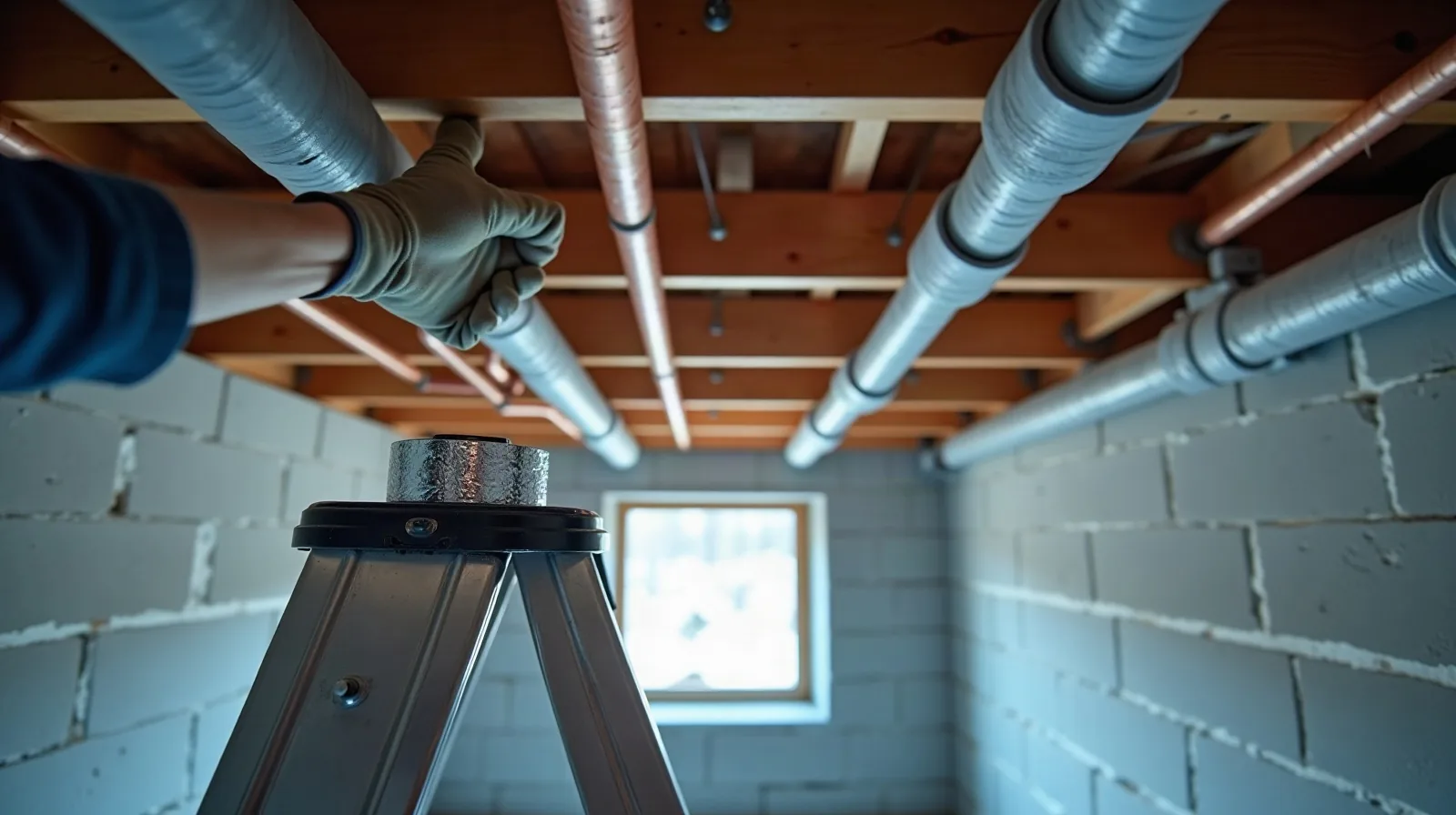
- Insulate exposed runs. Slip foam pipe sleeves over bare pipes in basements, crawl spaces and garages, then seal the seams and joints with tape so no section is left bare.
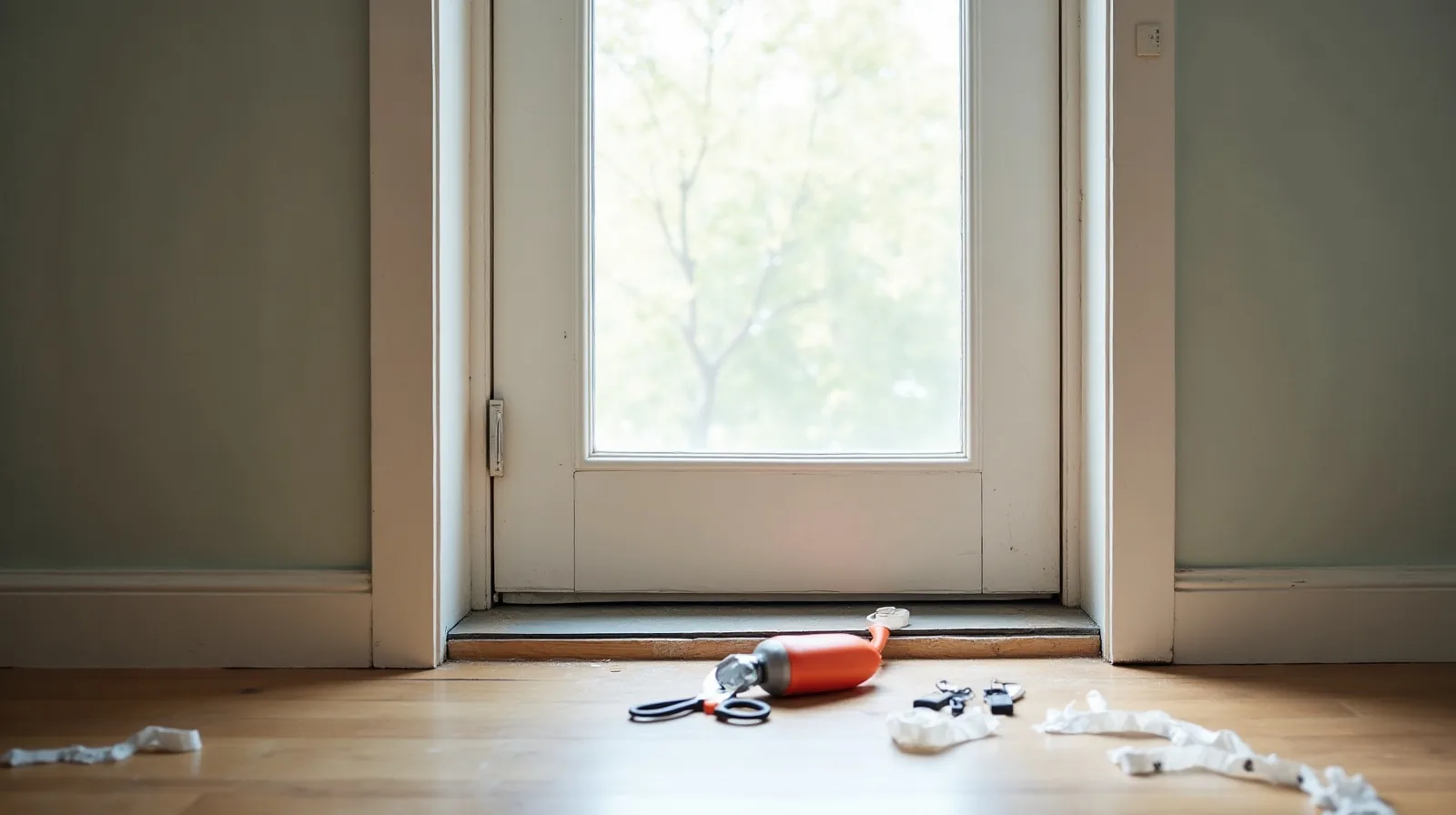
- Seal the drafts. Fill gaps where pipes pass through exterior walls with caulk or expanding foam, and close crawl space vents for the winter if the house allows it.
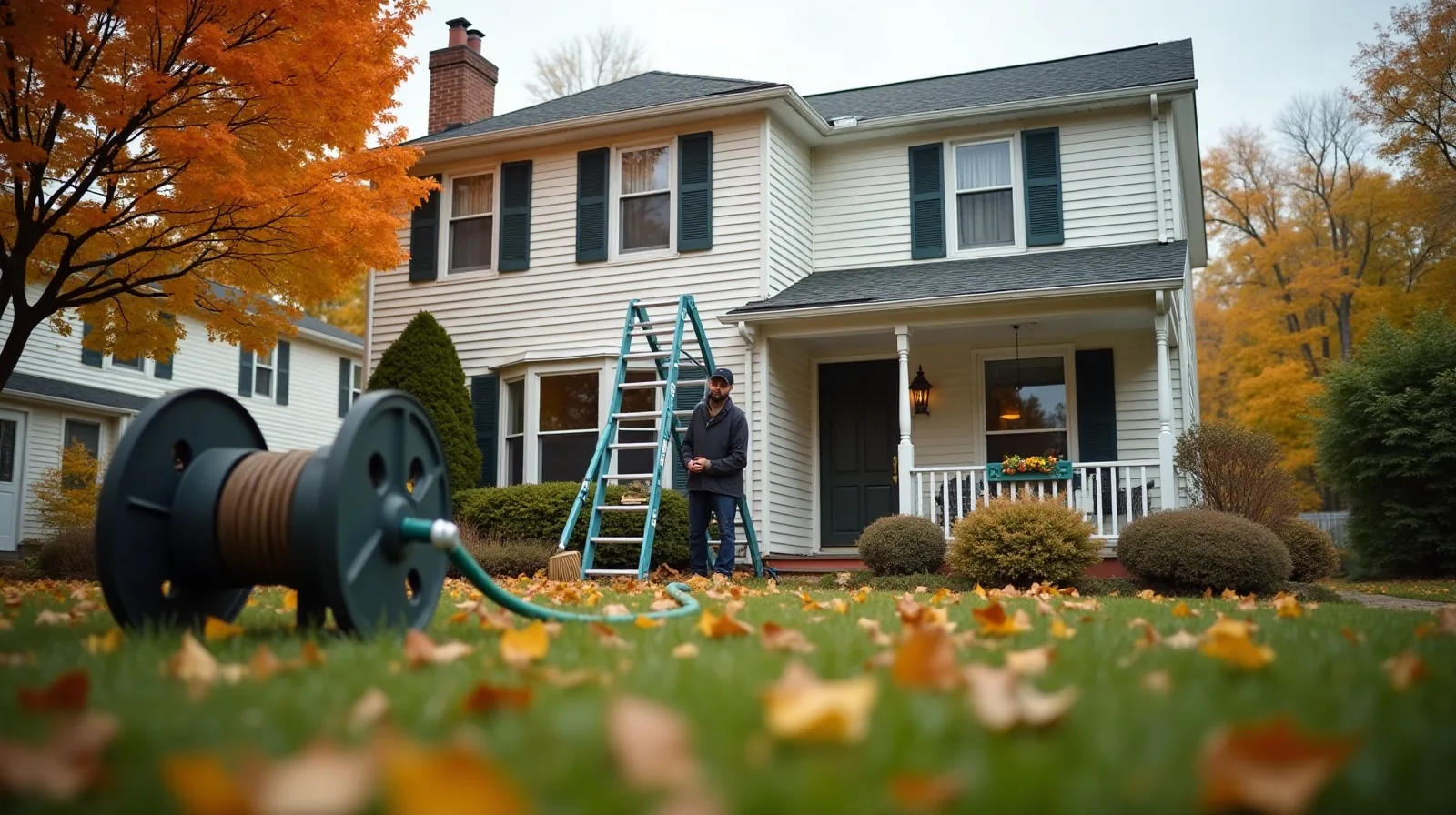
- Handle the outdoor spigot. Disconnect and drain the hose, close the indoor shutoff for that line if there is one, and open the outdoor tap so trapped water can drain.
- Open the cabinets. On very cold nights, leave the doors under exterior-wall sinks open so warm room air reaches the pipes.
- Let a faucet drip. A slow drip from a tap on a vulnerable line keeps water moving and relieves pressure if ice does start to form.
- Keep the heat steady. Avoid deep overnight setbacks during a cold snap, and keep the thermostat at a moderate level when traveling rather than switching it off.
For a run that freezes year after year, heat cable made for pipes is an option. Follow the package directions closely, plug it into a protected outlet, and never wrap it over itself.
What to Do If a Pipe Freezes
If a faucet slows to a trickle on a frigid morning, assume a freeze. Open that faucet so melting water has somewhere to go, then trace the line back toward the coldest spot. Warm it gently, starting at the end closest to the faucet: a hair dryer, a space heater kept at a safe distance, or towels soaked in hot water all work. Keep electrical devices away from standing water, and never use an open flame or torch on a pipe.
If you cannot find or reach the frozen section, or if you see a bulge, a crack or water spreading, shut off the main valve right away and call a licensed plumber. Thawing a split pipe only starts the leak.