
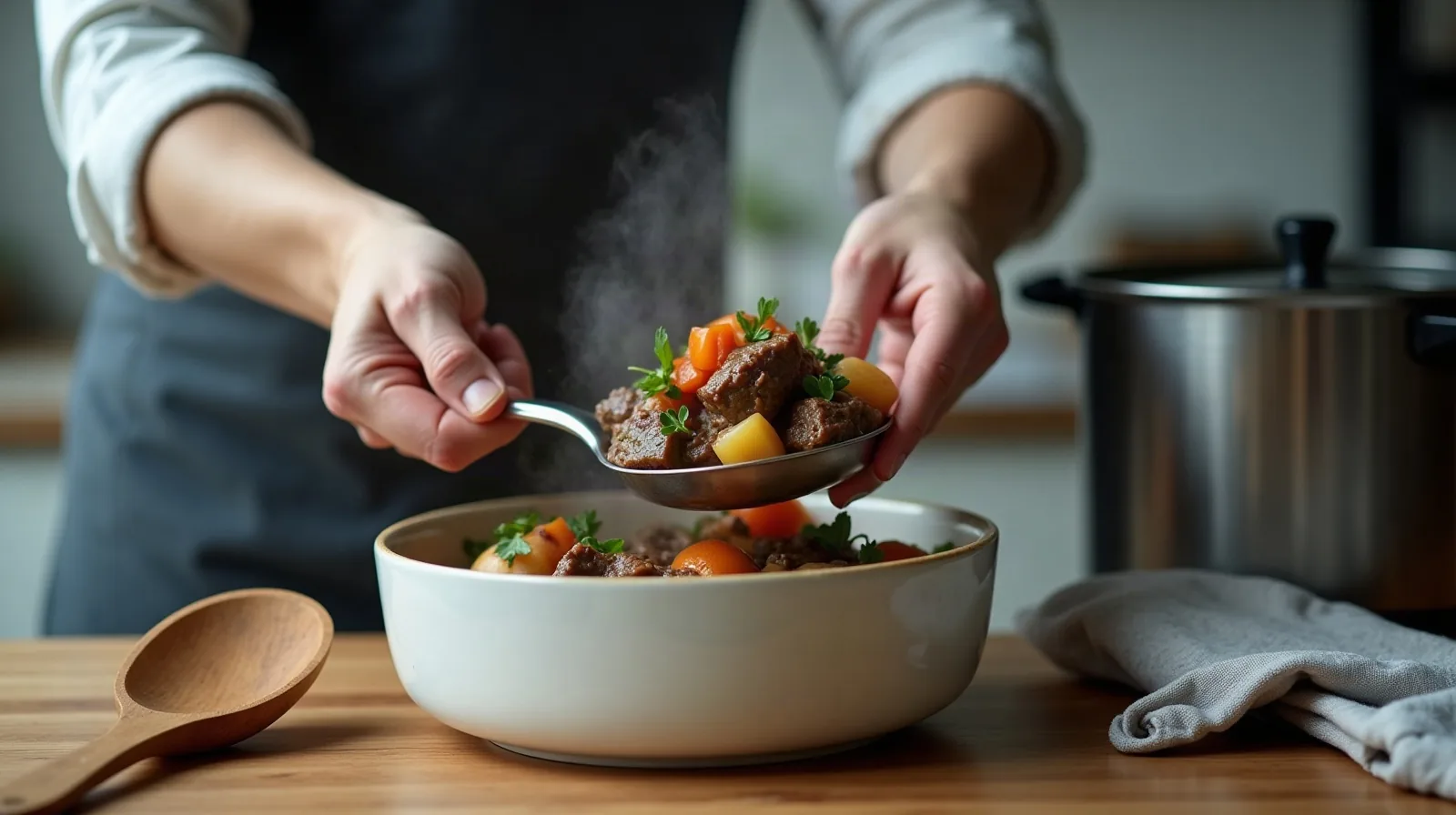
A pressure cooker is really just a sealed pot that traps steam, and that trapped steam raises the boiling point inside well above the usual 212°F. That extra heat is what turns a tough cut of meat or a pot of dried beans tender in a fraction of the usual time. Most of what separates a confident cook from someone who unplugs the machine after one bad batch and goes back to the stovetop comes down to a handful of habits, and none of them call for a fancier model or a longer ingredient list.
Give the Pot Enough Liquid to Build Steam
A pressure cooker cannot come to pressure with a dry or nearly dry insert, since the pressure comes entirely from steam rather than heat alone. Most machines need at least one to one and a half cups of a thin liquid — water, broth, or a thin sauce — even for a dish that looks thick and saucy once finished. A common early mistake is pouring in a heavy cream sauce or a generous splash of dairy before sealing the lid; thick liquids tend to scorch against the bottom before the pot ever seals, which can trigger a burn warning and stop the cook cold. The fix is to build the base with a thin liquid first, then stir in anything thick — cream, cheese, a cornstarch slurry — only after the pressure has released and the lid comes off.
Match the Release Method to What’s Inside
Once the timer ends, the pot still has to lose its pressure before the lid will open, and there are two ways to make that happen. A natural release lets pressure fall on its own as the pot cools, which usually takes ten to twenty minutes and suits anything that benefits from resting undisturbed in its own heat — dried beans, tough braising cuts, whole grains, and rice. A quick release means manually turning the venting valve right away, letting steam escape in a minute or two, which suits delicate foods that would overcook during a slow natural release, including most vegetables, seafood, and eggs. Either way, keep hands, face, and nearby cabinets clear of the steam plume, use the handle of a long spoon rather than a fingertip to flip the valve, and wait for the hiss to fully stop before unlatching the lid.
Respect the Max-Fill Line, Especially With Foods That Expand
Every insert has a maximum fill line marked on the inside, and going past it is one of the more common ways a first attempt goes sideways. Overfilling leaves too little room for steam to build and circulate, and it can force food or liquid up into the valve when the pot vents. Foods that expand during cooking — dried beans, rice, pasta, oats, and other grains — need even more headroom than the standard line allows, which is why most manuals mark a separate, lower fill line just for them. A simple habit prevents most overfilling mistakes: measure ingredients into the insert before it goes into the machine, rather than adding a little more once it is already loaded in and sealed.
Five Dishes That Build Confidence Fast
A few dishes are especially forgiving while these habits become automatic, and they make a solid starting rotation before moving on to trickier recipes.
- Dried beans, no soaking required — a fraction of the usual stovetop time, and the liquid becomes the start of a pot of soup.
- Hard-boiled eggs — a short cook followed by an ice bath makes shells that practically fall off.
- Bone-in chicken thighs or legs — forgiving of a few extra minutes, and the fat keeps the meat from drying out.
- Steel-cut oats — the long stovetop simmer collapses into a few minutes with almost no stirring.
- Bone broth — a rich, gelatin-heavy stock in about two hours instead of the better part of a day.