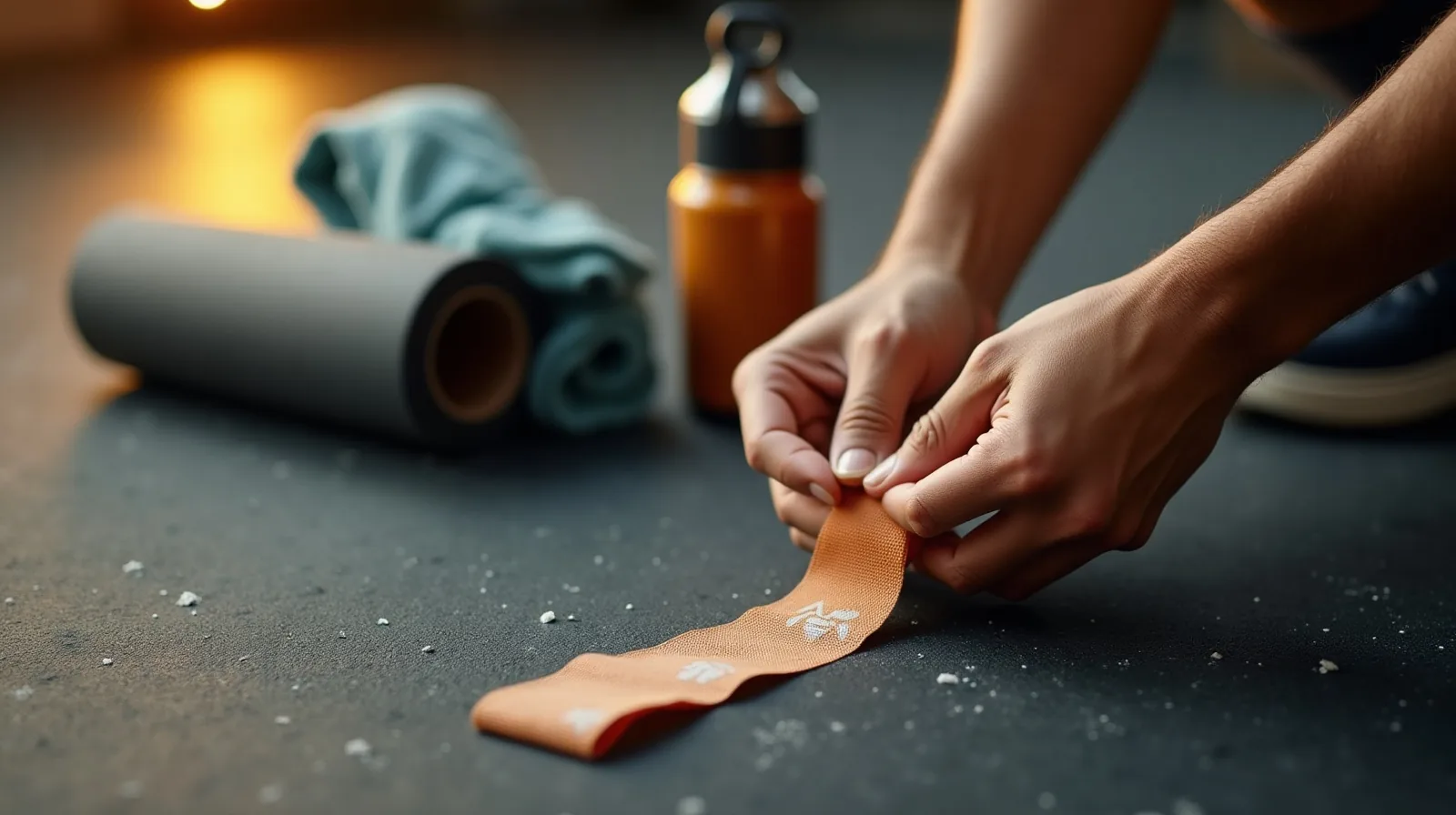

The workout itself often feels fine — it’s the day after, or the day after that, when an ordinary flight of stairs turns into a wince. That delayed soreness is one of the most familiar sensations in exercise, yet it’s easy to misread. Some people take it as proof a workout worked; others worry it means something went wrong. Both reactions skip past the more useful question, which is what the soreness actually is, how long it should reasonably last, and when it stops being a normal part of training.
What’s Actually Happening Inside the Muscle
The soreness that builds over the day after a workout has an actual name: delayed-onset muscle soreness, or DOMS. It shows up most after movement a muscle isn’t used to, especially eccentric work, where a muscle lengthens under tension rather than shortening — lowering into a squat, walking downhill, or the slow return phase of a curl all qualify. That unfamiliar strain creates microscopic tears in the muscle fibers, and the local inflammation that follows as the body repairs them is what produces the ache. This is a different sensation from the sharp burn felt during a hard set itself, which comes from a short-lived buildup of metabolic byproducts and clears within minutes of stopping, not days.
The Timeline Soreness Usually Follows
DOMS tends to follow a fairly predictable arc. Little is felt in the first several hours after exercise; discomfort typically begins around twelve hours later, builds through the following day, and peaks between twenty-four and forty-eight hours after the workout that caused it. From there it fades steadily, usually resolving within three to five days without any special treatment. A brand-new exercise or a much heavier load than usual tends to produce a stronger, longer version of this curve, while a familiar routine performed consistently produces less of it over time — a large part of why the second week of a new program hurts noticeably less than the first.
What Genuinely Helps It Along
No treatment erases DOMS on command, but a handful of habits make the days it lasts more comfortable and may modestly shorten the curve.
- Move, don’t rest completely. Easy walking, a light bike ride, or gentle mobility work increases blood flow to sore tissue and tends to ease stiffness faster than sitting still.
- Stay ahead on hydration and protein. Muscle repair draws on both, and skimping on either can make recovery feel slower and duller than it needs to.
- Protect sleep on the nights after a hard session. Most of the physical repair work behind soreness happens during deep sleep, not during the workout itself.
- Reach for warmth over ice for everyday soreness. A warm shower or heating pad can ease the ache by relaxing tight tissue, while ice mainly numbs sensation rather than speeding true repair.
- Give the same muscle group a day or two before loading it hard again. Training through severe soreness at the same intensity tends to compound fatigue rather than build on it.
When Soreness Is Trying to Tell You Something Else
Ordinary DOMS stays within limits: it fades within about a week, it eases somewhat with gentle movement, and it never comes with symptoms outside the muscle itself. Pain that keeps getting worse instead of better, swelling out of proportion to the workout, or soreness paired with dark or tea-colored urine are not typical DOMS and deserve prompt medical attention, since they can point toward a genuine muscle injury or, rarely, a more serious condition. Anyone returning to exercise after a long break, managing an existing health condition, or unsure whether a new pain is ordinary soreness or something more should check with a doctor or another qualified professional before pushing through it, rather than guessing. Most soreness is nothing more than the ordinary cost of asking a muscle to do something new — but it’s worth knowing the difference before assuming that’s always the case.