Potty training rarely runs on the timeline printed on a parenting app. Comparing start dates with another family mostly adds pressure that has little to do with whether a particular child is ready, and readiness itself is less a birthday than a short list of signals showing up together. Once those are in place, the process tends to go smoother, and when it stalls anyway, treating a rough day as information rather than a failure keeps it from turning into a standoff.
The Readiness Signs Worth Watching
A handful of everyday behaviors matter far more than age. None needs to appear perfectly, but most children who take to training quickly show several of the following beforehand:
- Stays dry for stretches of two hours or longer during the day.
- Notices a wet or soiled diaper and says or shows so.
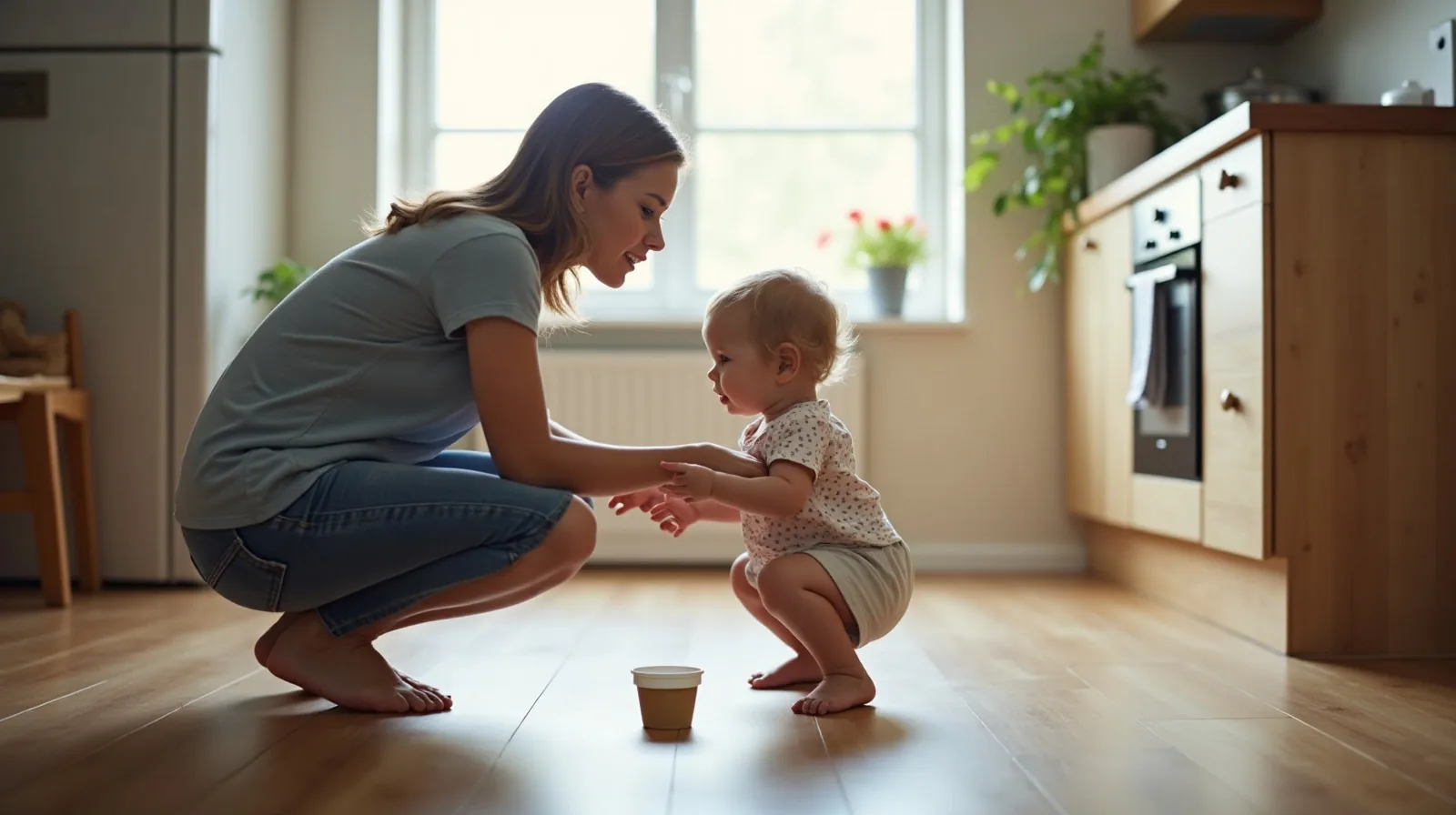
- Can follow a short two-step instruction, like “get the cup and bring it here.”
- Shows curiosity about the bathroom or copies an older sibling or parent.
- Can manage pulling training pants up and down with little help.
A child missing one or two can still do fine. A child missing most of them usually has an easier time waiting a few more weeks than pushing through a stretch that keeps stalling.
Choose a Method, Then Set Up the Bathroom
Families tend to land on one of two approaches: a slower, child-led pace that introduces the potty gradually, or a concentrated few days spent close to home with underwear instead of diapers. Neither is more correct; the right choice usually comes down to a family’s schedule and a child’s temperament rather than which method sounds the most confident.
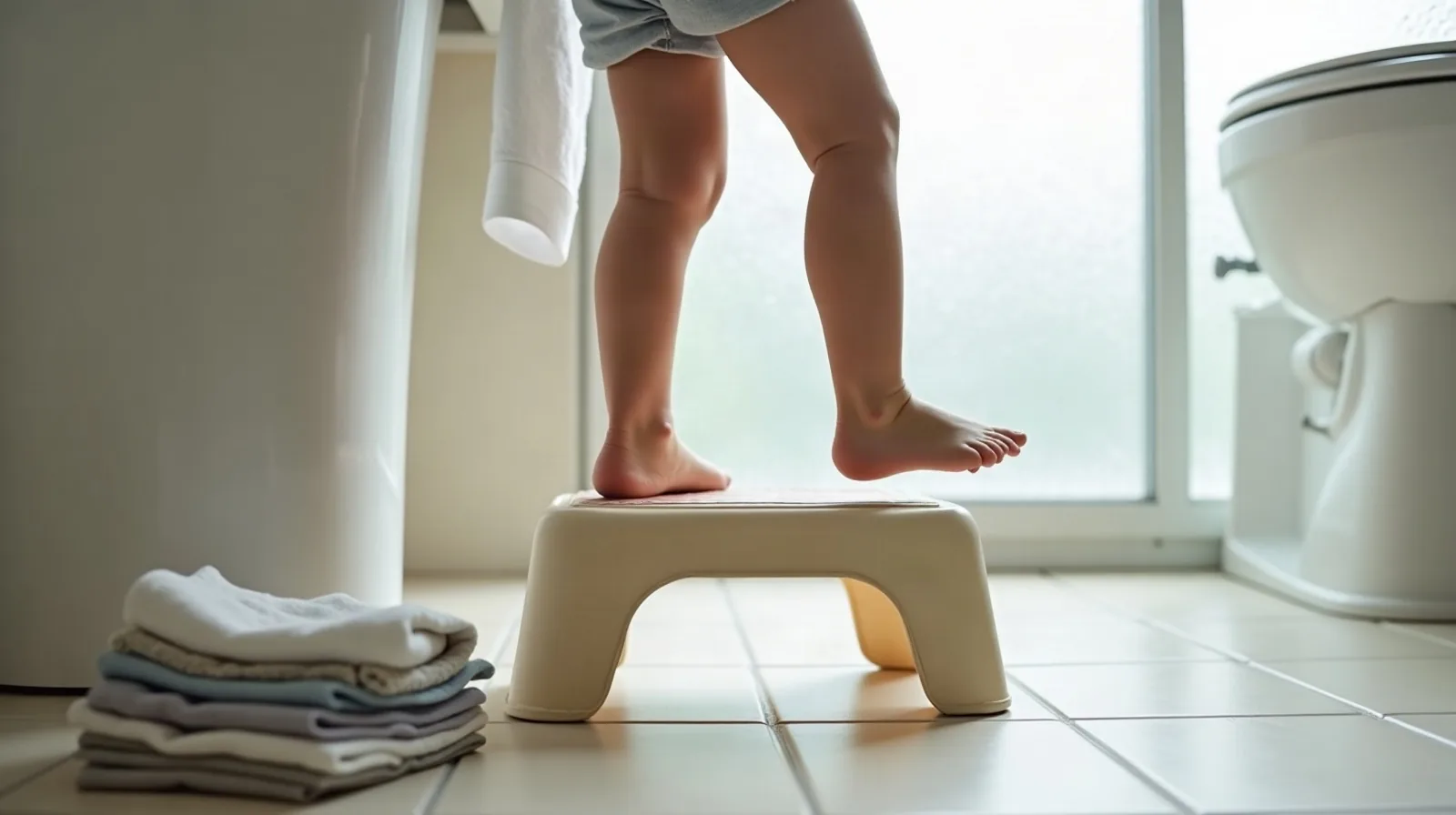
The physical setup matters as much as the philosophy. A step stool that lets a child climb up independently, a seat insert or standalone potty at floor level, and clothing that comes off in one motion, elastic waistbands rather than tricky snaps, remove the small mechanical barriers that turn a close call into an accident. Staging a few spare outfits nearby means a change never requires a trip upstairs mid-process.
What a Practice Weekend Actually Looks Like
A concentrated start usually means staying close to home for a few days and treating bathroom trips as the main activity rather than an interruption to it. A timer set for every sixty to ninety minutes tends to work better than reading cues in the moment, especially before a child’s own signals become easy to spot. Offering water somewhat more than usual keeps opportunities coming.
The tone during those trips matters as much as the schedule. A calm, low-key invitation to try, not a big production and not a bribe negotiation, keeps the bathroom from becoming a place associated with pressure. Success is worth a brief, genuine acknowledgment; a few dry stretches by a long weekend’s end already counts as real progress, even if full independence takes a few more weeks.
Accidents Are Information, Not a Setback
An accident partway through training usually says something useful: the interval between check-ins ran too long, a distraction pulled attention away from the body’s signal, or a new setting like a car ride disrupted the routine. Treating it as information to adjust, rather than a reason to feel discouraged or to scold, keeps a bad hour from turning into a bad week.
A quiet, matter-of-fact cleanup with no lecture attached tends to get a child back on track fastest. Pausing the whole process after one rough day is rarely necessary; shortening the interval between check-ins for a day or two usually solves it on its own.
Nighttime Waits Its Turn
Daytime and nighttime dryness develop on different timelines, often months apart, because staying dry overnight depends on bladder development that has little to do with willpower or daytime progress. A pull-up at night for a long stretch after daytime training is finished is completely ordinary, not a sign something has gone wrong. If daytime training has not caught on at all by around age four, a pediatrician or family doctor is a reasonable person to loop in, since there is often a straightforward, fixable reason behind the delay.