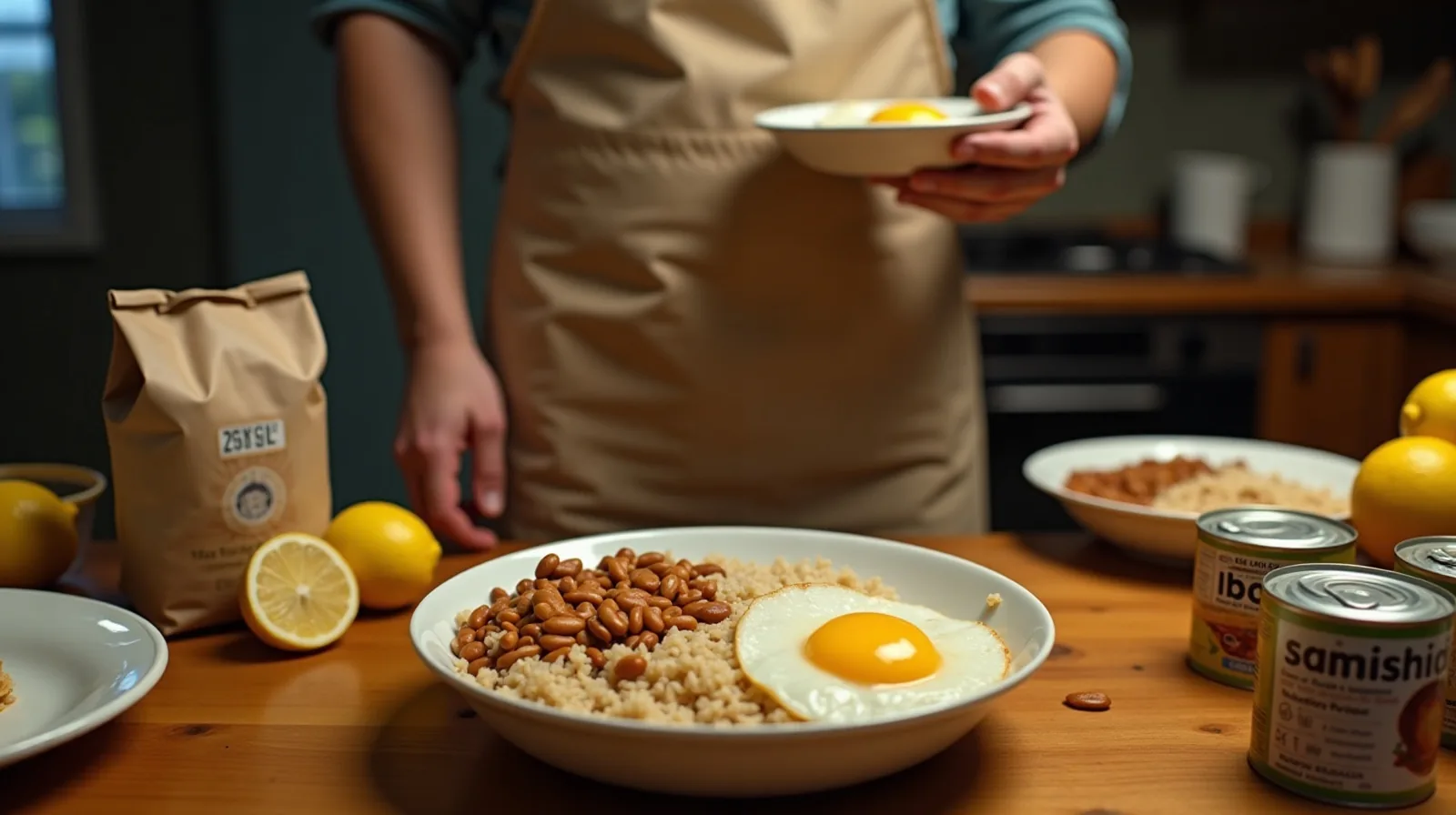
Watch a school morning in a house with small children and the same loop repeats: a child reaches for something, an adult gets there first, and the moment closes. It is faster that way, and mornings are short. But independence is not a trait that shows up on a birthday. It gets built out of a few hundred small handovers, most of them mildly inconvenient at the time. The encouraging part is how cheap those handovers are. They mostly cost patience, a lower shelf, and ten extra minutes.
Independence Starts With the Height of Things
Much of what a young child cannot do alone is a furniture problem rather than a skill problem. Cups sit on a shelf above their head, coats hang at adult shoulder height, and the laundry basket has a lid they cannot lift.
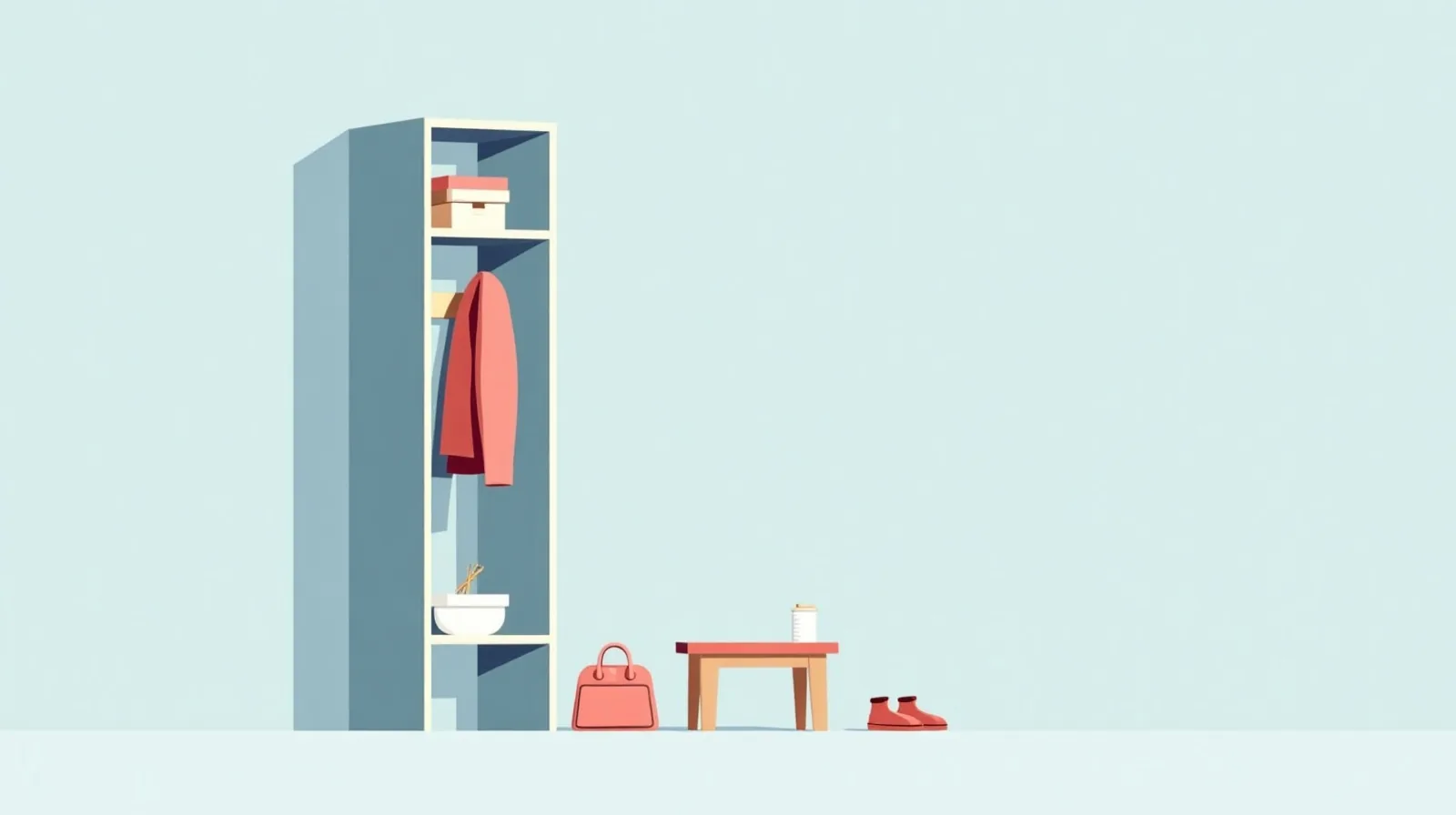
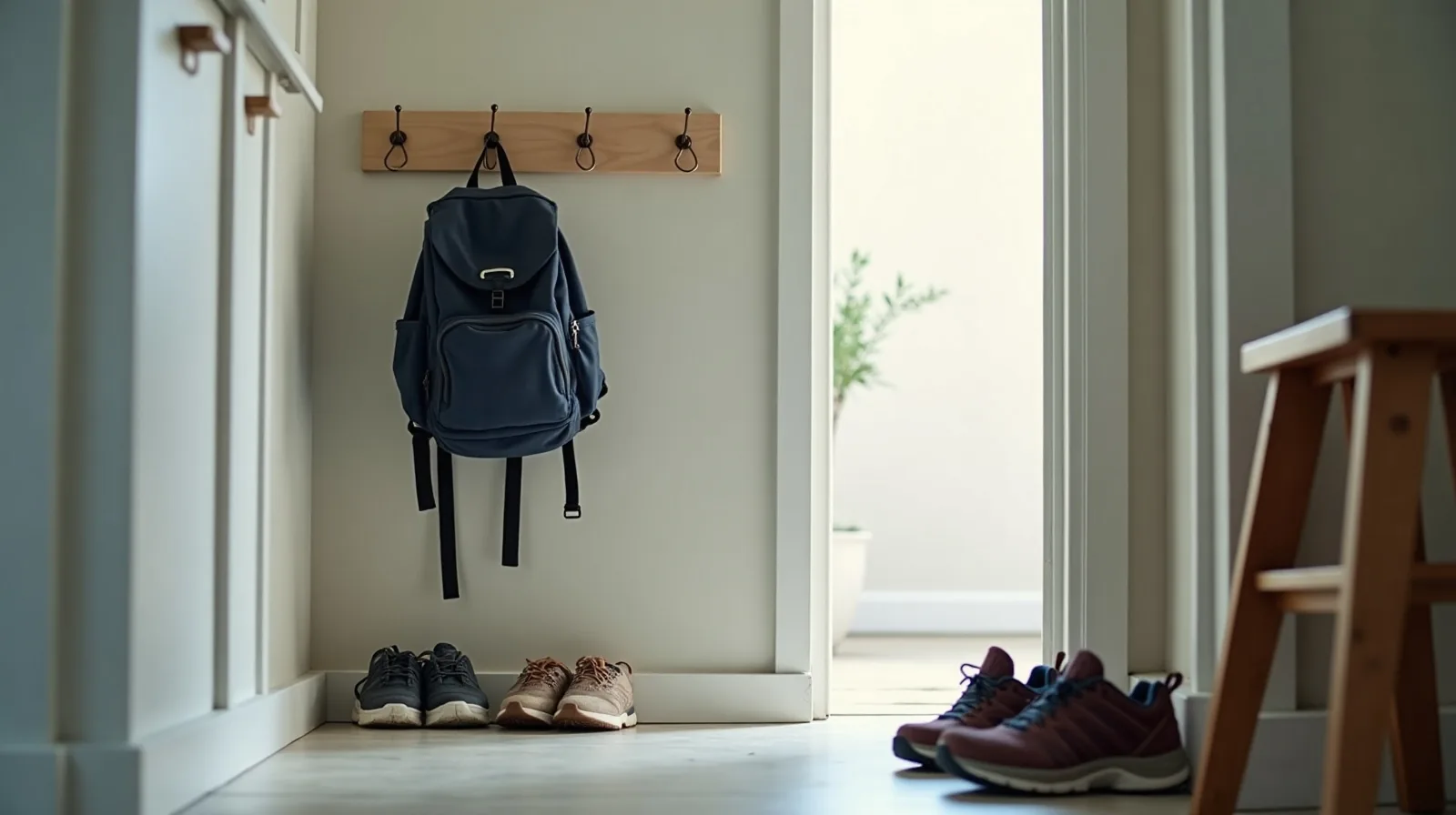
Pick one zone a week and lower it. Move unbreakable cups to the bottom shelf and keep a small pitcher with an inch of water in the fridge door. Add a second row of hooks about three feet up. Give shoes a shallow open bin by the door. Leave a sturdy step stool at the bathroom sink. The test is simple: if a child can reach it, a child can own it.
Ten Extra Minutes Is the Whole Method
A preschooler zipping a coat takes about ninety seconds, and doing that badly nine times is how the tenth attempt gets quick. The clock, not belief, is what stops most families. So move the clock: if leaving the house takes twenty minutes when an adult does the dressing, block thirty and treat the difference as the lesson.
It also helps to decide which parts of the day are learning windows and which are pure logistics. Shoes on a slow Saturday is a teaching moment; shoes when the bus is at the corner is not, and there is no harm in saying so out loud. This once an adult does it, and tomorrow the job goes back.
Resist the Rescue
The hardest habit looks like doing nothing. When a buckle sticks, the instinct is to reach in. Sit on both hands and count slowly to ten first. Often the struggle resolves itself, and the child gets the thing that matters more than the buckle: evidence of being capable.
When help is genuinely needed, offer words before hands. Ask what has already been tried, and name the next step instead of performing it — pointing out that the tag goes at the back does more than turning the shirt around. Step in fully for real distress or anything unsafe, then skip the commentary.
Jobs That Fit the Age
Handing over responsibility works when the job sits just past what a child can already do. Treat the ranges below as rough guides, since children arrive at skills at wildly different times.
- Two and three. Carrying a plate to the counter, dropping clothes in the hamper, putting shoes in the bin, wiping a spill with a cloth stored somewhere reachable.
- Four and five. Pouring from a small pitcher, spreading butter with a dull knife, dressing from two options laid out the night before.
- Six and seven. Packing a bag against a short picture checklist, making a cold breakfast start to finish.
- Any age at all. Choosing between two acceptable options. Real choice is the cheapest independence there is, and it costs an adult nothing.
- The move to avoid. Redoing the job in front of them. A bed remade with the corners fixed teaches that the effort was the wrong kind.
Let the Result Be Imperfect
Independence looks worse before it looks better. The sandwich is lopsided, the shirt goes on inside out, and a cup of water ends up on the floor, followed by a child who mops it up if the towel lives somewhere reachable. Praise the specific effort rather than the outcome, and let the lopsided sandwich go to school.
If a skill seems stuck for a long stretch, or self-care feels much harder for your child than for others the same age, raise it with a pediatrician or an early-childhood professional rather than pushing harder at home.