Every parent of a picky eater knows the script. You make a dinner they liked last week, they declare it disgusting on sight, and suddenly the table is a negotiation: two more bites, no dessert until, fine-just-eat-the-bread. Here’s the frustrating truth underneath all of it: the harder a mealtime is pushed, the worse it tends to go, because pressure makes cautious eaters dig in rather than open up. The good news hiding in that truth is that the way out of the battles is to stop fighting them — and it’s considerably less work than the nightly standoff.
Why Pressure Backfires
Picky eating in young kids is common and, in most cases, a normal developmental phase — a built-in caution about unfamiliar foods, paired with an appetite that swings wildly from day to day. When eating becomes a contest, the food stops being the point. A child who is bribed, coaxed, or required to clean the plate learns that vegetables are the chore and dessert is the prize — exactly the ranking you were trying to avoid. Kids often need to encounter a new food many times, sometimes a dozen or more relaxed exposures, before they’ll try it, and every tense standoff makes the next encounter feel less safe, not more.
Split the Jobs and the Fight Disappears
The calmest approach, and the shape of what feeding experts generally recommend, splits mealtime into two jobs. Your job: decide what food is served, and when, and where. Their job: decide whether to eat it, and how much. In practice that means you keep putting reasonable meals on the table — including things they don’t love yet — and then genuinely let go of what happens next. No counting bites, no praising one sibling’s broccoli intake over the other’s, and no cooking a second dinner when the first goes untouched. It feels like surrendering control; it actually removes the thing the child was pushing against. Expect the payoff on a scale of months, not days — the win is slow, quiet, and real.
Small Moves That Lower the Stakes
A few table habits make the no-pressure approach much easier to hold:
- Always include one safe food. Every meal has something the child reliably eats — rice, fruit, bread. Nobody leaves the table hungry, so nobody needs to panic.
- Serve tiny portions. One green bean is an invitation; a scoop of them is a demand. Small servings make trying feel optional and seconds feel like the child’s idea.
- Keep the rotation going. Refused foods stay in the lineup, reappearing without comment every week or two. Familiarity is doing the persuading, not you.
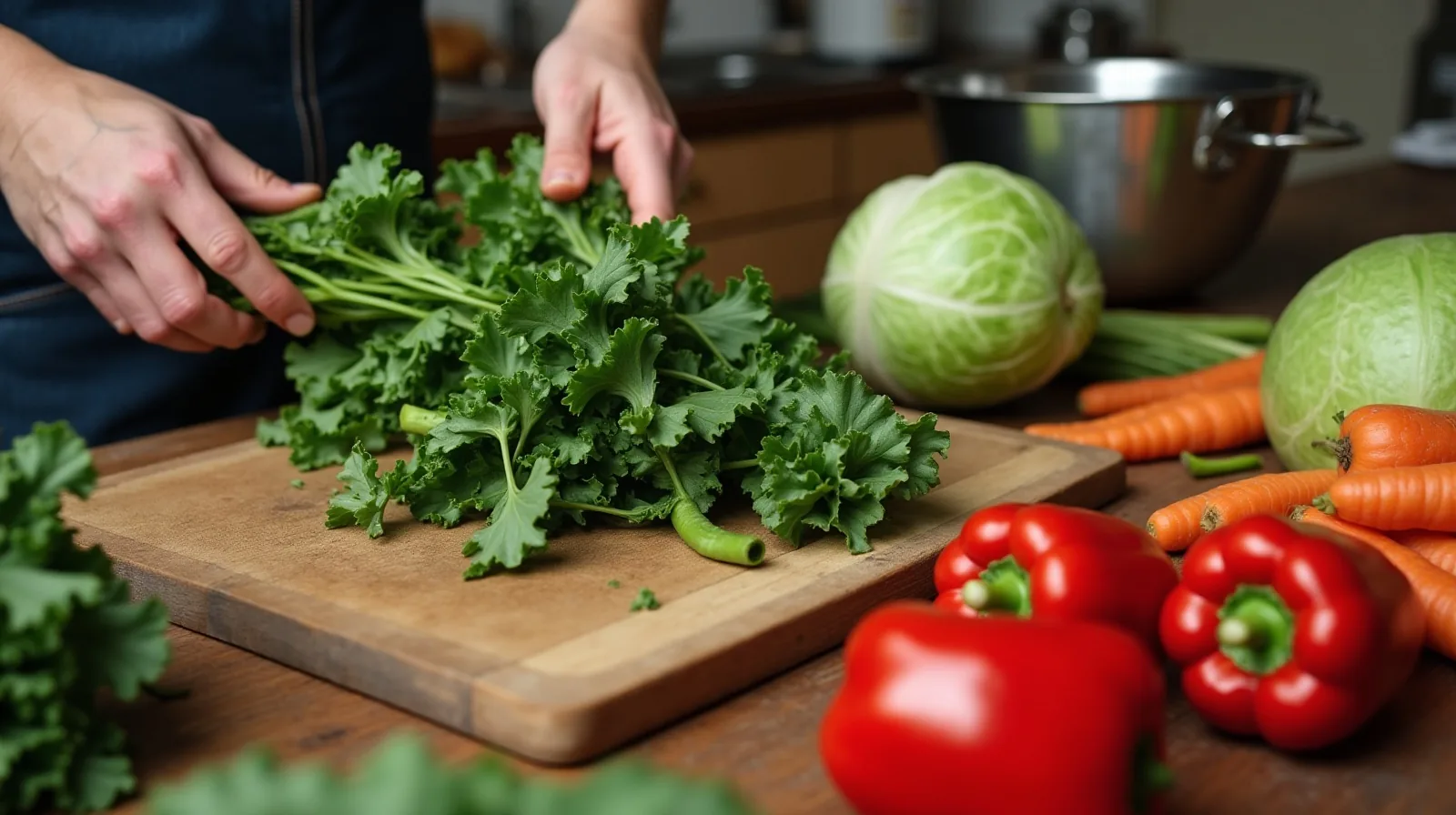
- Let them touch food outside mealtime. Washing cherry tomatoes, tearing lettuce, stirring the pot — kids are far more likely to taste something they helped handle.
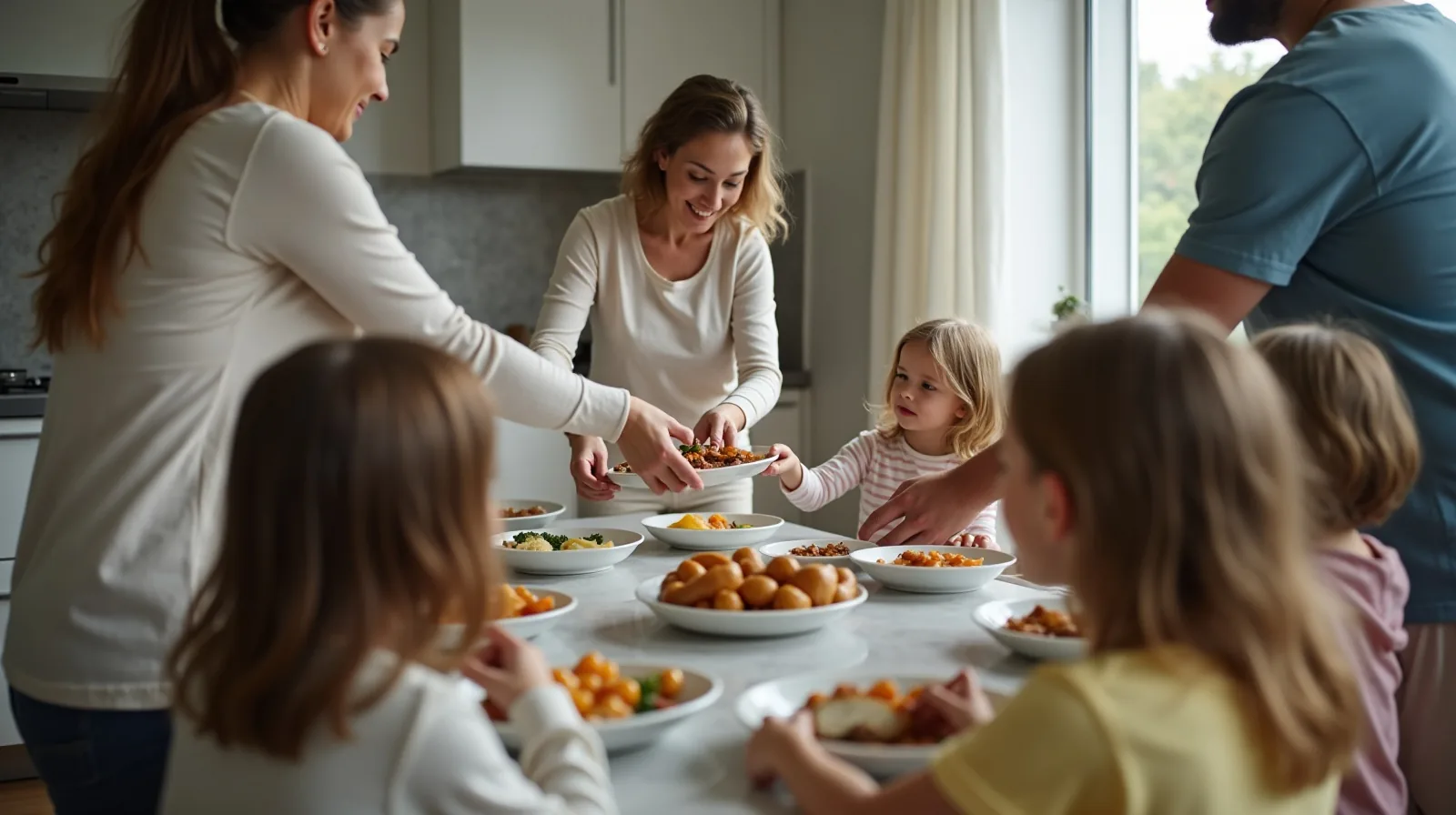
- Serve family-style when you can. Bowls in the middle, everyone serves themselves. Self-served food arrives pre-approved.
- Skip the commentary. No cheering when they try something, no sighing when they don’t. The less an audience reacts, the less interesting refusal becomes.
When to Ask the Pediatrician
Most picky eating loosens on its own across early childhood, but some patterns deserve a professional look rather than more patience. If the list of accepted foods is very short or shrinking, if whole food groups or textures are refused entirely, if meals routinely involve gagging, coughing, or trouble swallowing, or if your child’s weight, growth, or energy seems affected, bring it up with your pediatrician — feeding difficulties beyond ordinary pickiness are real, and early help makes a difference. The same goes for mealtime distress that feels bigger than preference. This is general guidance, not medical advice; the doctor who knows your child is the right judge of where the line sits.