Packing for a cold trip tends to go one of two ways. Either the suitcase fills with chunky sweaters and spare jeans until it will barely zip, or the bag is light and the traveler spends the week shivering at bus stops. Neither is necessary. Warmth comes from how clothes work together, not from how much they weigh, and a cold-weather bag can stay surprisingly small once you pack a system instead of a pile of outfits.
Think in Layers, Not Outfits
The classic approach is three layers. A thin base layer sits against the skin and moves moisture away so you stay dry. A middle layer, such as a fleece or a light wool sweater, traps warm air. An outer shell blocks wind, rain and snow. Each layer is fairly thin on its own, but together they hold heat far better than one heavy coat, and you can peel one off the moment you step indoors.
That flexibility matters more than people expect. Trains, museums, restaurants and hotel rooms in cold places are often kept very warm, so the ideal outfit is one that adjusts in seconds. A sweater over a short-sleeve top is easier to manage than a single thick knit you can’t take off.
Choose Fabrics That Earn Their Space
Material does a lot of the work. Wool, including fine merino, stays warm even when a little damp and can be worn several times before it needs washing, which means fewer pieces overall. Synthetic fleece is light, quick-drying and inexpensive. Cotton is the one to limit: it soaks up sweat and snowmelt, then stays cold and wet for hours. Jeans fall into the same trap, so a pair of wool, corduroy or lined trousers is a warmer choice for long days outside.
The Small Pieces That Matter Most
Hands, feet, ears and neck lose heat fast and make you feel cold long before your core does. These small items take up little room and change the whole trip:
- A warm hat that covers the ears. It is the easiest single upgrade for comfort on a windy day.
- Two pairs of gloves. A thin pair for phones and tickets, and a warmer pair to wear over them.
- A neck gaiter or scarf. A gaiter stays put on active days and packs down to almost nothing.
- Wool socks, one pair per two days. They can be aired out and worn again, and they keep feet dry.
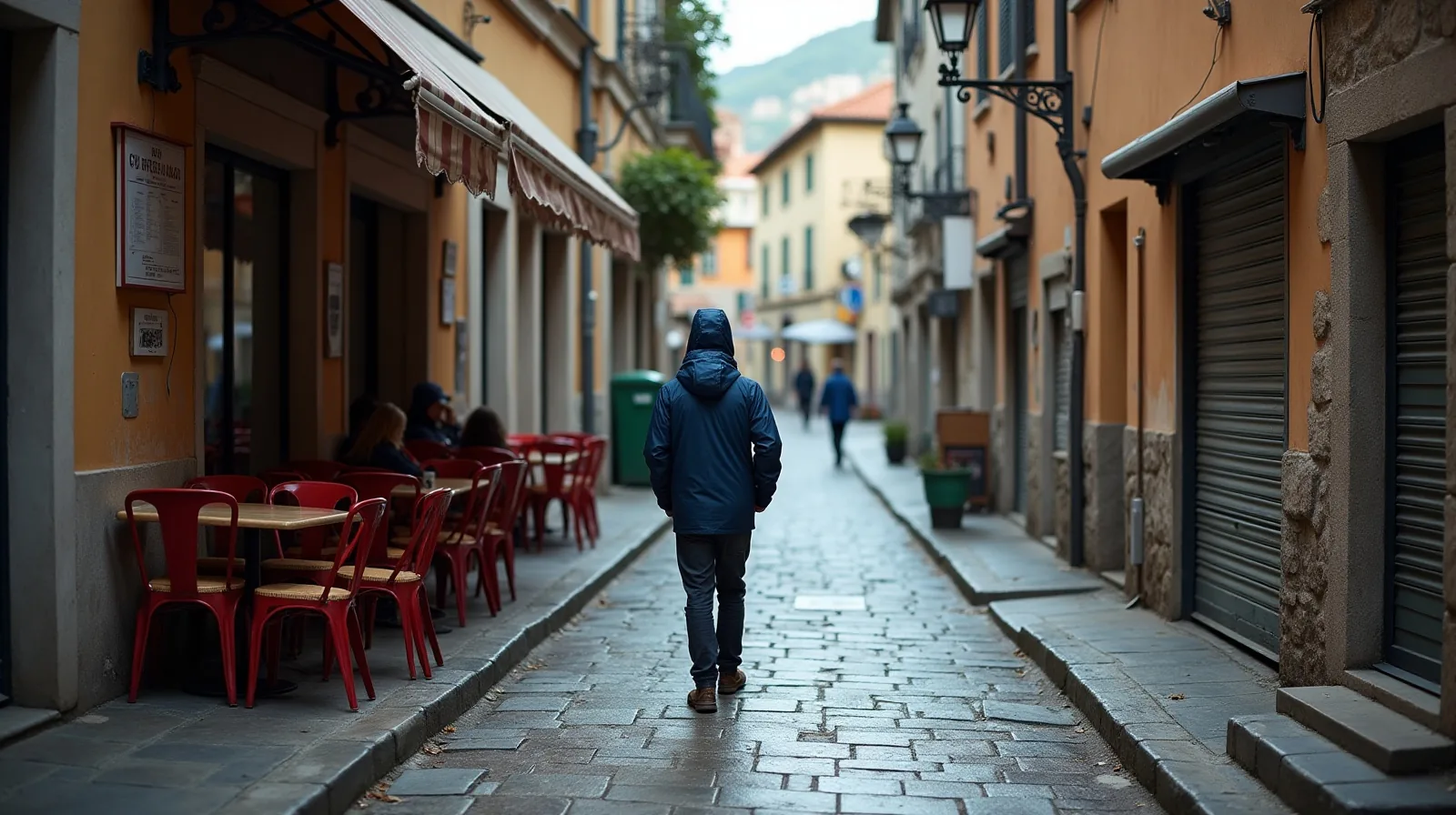
- Waterproof, broken-in boots. New boots on an icy cobblestone street are a recipe for blisters.
Fit the Bulk Into One Bag
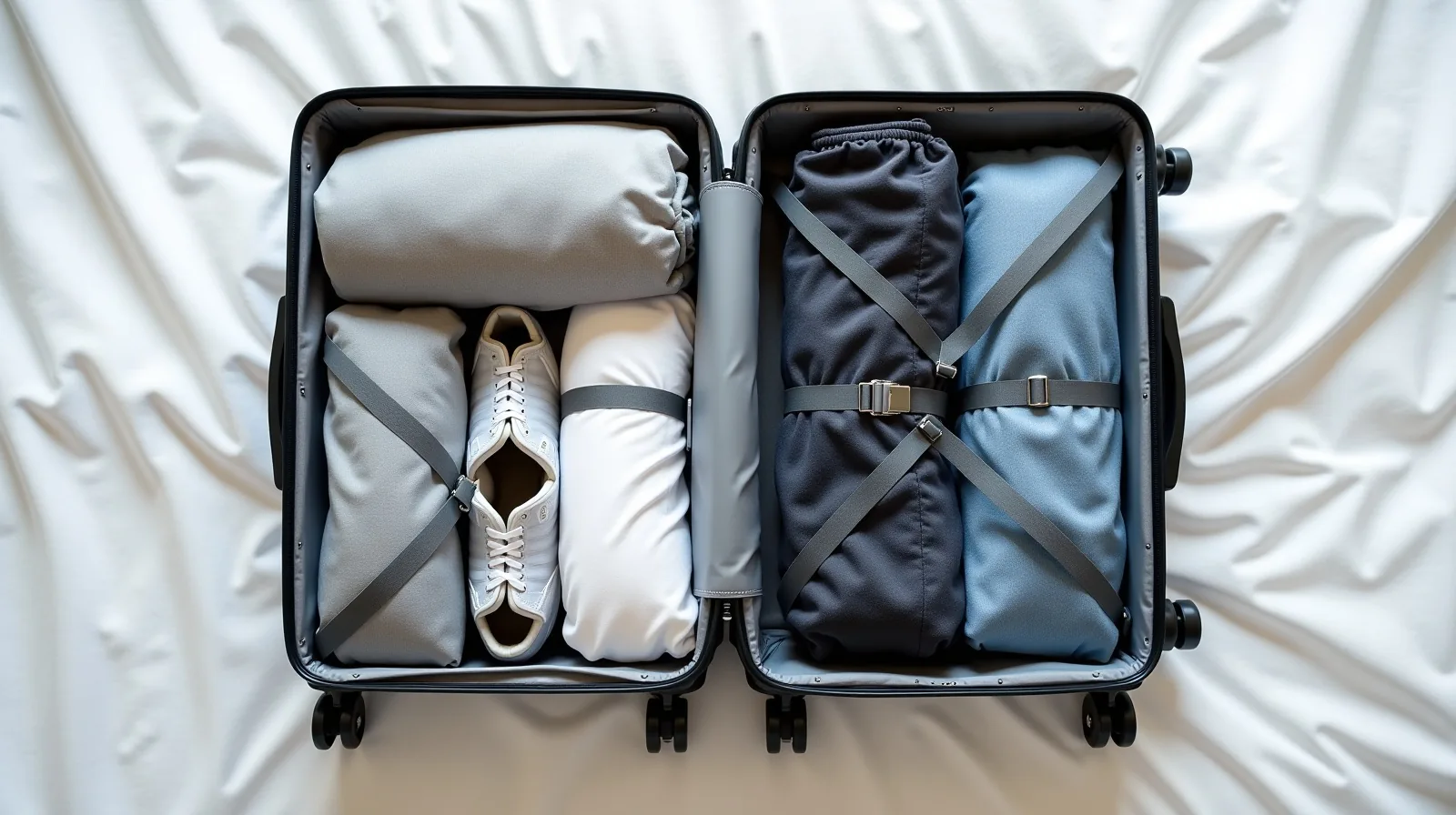
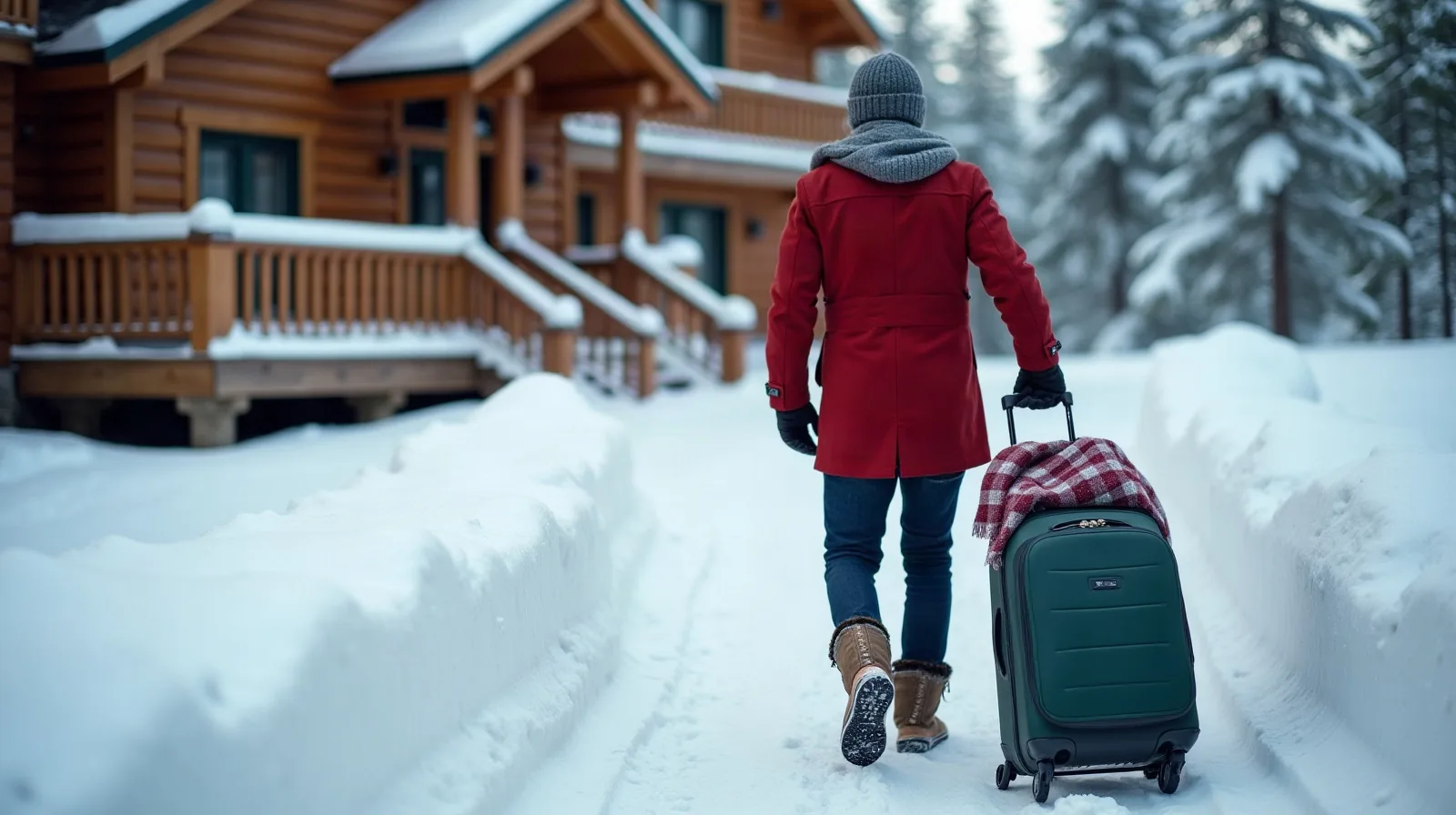
The heaviest items should travel on your body. Wear the boots and the warmest coat on the plane or train, and stuff the hat and gloves in the coat pockets. Inside the suitcase, roll base layers tightly and press sweaters flat in a compression bag or a large zip bag with the air squeezed out. Plan for one quick laundry stop or a sink wash of base layers midway through a longer trip, rather than packing a fresh set for every day.
Leave room for drying, too. Wet gloves and socks need a radiator or towel rail overnight, so a small mesh bag for damp items keeps them away from the clean clothes.
Check the Forecast, Then Pack One Notch Warmer
A forecast tells you the temperature, but wind, humidity and hours spent standing still all make a place feel colder. Look at the expected wind as well as the high and low, then plan as if the trip will feel a few degrees colder than the numbers suggest. A spare thin layer weighs little; a week of being cold is hard to fix once you’ve arrived.