
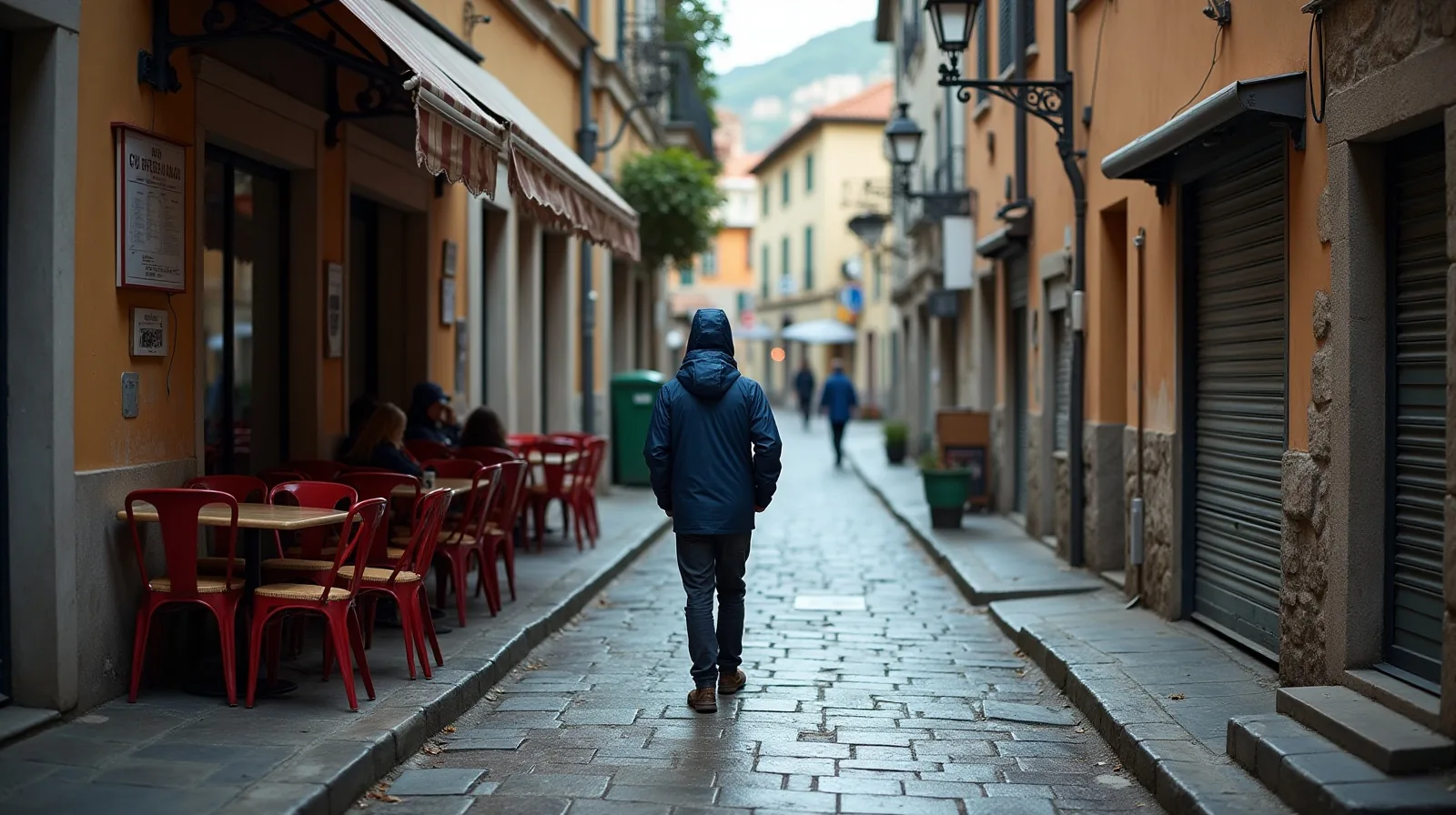
The same street that needs a twenty-minute wait for a table in July can feel like a private discovery in early November. That contrast is the whole appeal of off-season travel, and it comes with a bill. Some of what makes a destination famous is only running while the crowds are there, and a trip planned around summer photographs can land in a town where half the doors are shut. The trade is real in both directions, and it is worth making with open eyes rather than by accident.
What You Gain When the Crowds Thin
The obvious gain is space. Sights that require timed tickets and elbow room in peak weeks become places where you can stand still and look. Restaurants take walk-ins. Trails feel like trails. Photographs stop containing several hundred strangers.
The subtler gain is attention. Staff who are not turning tables at speed have time to talk, and locals who spend the busy months in survival mode are noticeably more relaxed once it passes. A destination out of season also shows its ordinary life — school runs, market days, laundry on balconies — which is often the part people remember longest. Costs generally soften too, though the savings vary far more by destination than most travelers expect.
What Closes, and How Much It Matters
The list of what shuts down is longer than most itineraries assume. Seasonal restaurants and beach clubs simply lock the doors. Boat trips, guided tours, cable cars, and small ferries may run on a reduced timetable or not at all. Mountain passes and scenic roads close under snow. Museums and historic sites often shorten their hours, and some take their annual maintenance break precisely when nobody is visiting.
Transport thins out as well, and that is the closure that reshapes a trip most. A regional bus running eight times a day in summer and twice a day in February decides how far anyone gets from where they sleep. Rental cars fill that gap and quietly change the budget.
Weather Is the Part You Cannot Negotiate
Weather sets the ceiling on everything else. Rain matters less in a city dense with indoor things to do and enormously in a place whose appeal is a coastline or a ridgeline. Daylight matters just as much and gets overlooked: a northern destination in December may offer only six or seven usable hours, which changes how many things fit into a day. Heat runs the same logic in reverse, and a shoulder month in a hot climate is often the best version of that place rather than a compromise.
How to Judge a Destination Before Booking
The question is never whether off-season travel is good in general, only whether one particular place still works without its season. A few checks answer that quickly.
- Is the main draw indoors or outdoors? Galleries, food, architecture, and thermal baths hold up in bad weather. Snorkeling and clifftop walks do not.
- Does anyone live there year-round? A town with a permanent population keeps bakeries, buses, and bars running. A purpose-built resort strip does not.
- Check opening dates, not opening hours. Look up the specific sights that justify the trip and confirm the calendar they operate on before booking anything.
- How often does transport run? Compare the winter and summer timetables for the routes the itinerary depends on, and price a car if the gap is wide.
- How much daylight is there? Check sunrise and sunset for the actual dates, then plan a realistic number of activities per day.
- What happens on a washed-out day? If a rained-out afternoon has a decent answer nearby, the risk is manageable. If it does not, shift the dates.
Shoulder season, the few weeks on either side of the peak, is usually the sweet spot: services still running, crowds already gone, weather still cooperating more often than not. Deep off-season rewards a specific kind of traveler, the one who came for a quiet place rather than a full one.