Every kitchen hits the same moment: the bananas on the counter have gone past yellow into full leopard print, and nobody wants to eat one out of hand. Tossing them feels wasteful — and it is — but guilt isn’t the best reason to keep them. A deeply spotted banana is at the absolute peak of its baking life: sweeter, softer, and more fragrant than it ever was in the fruit bowl. Those bananas aren’t a problem to solve. They’re an ingredient that just finished getting ready.
Why Spotty Beats Yellow in the Oven
As a banana ripens, its starch steadily converts to sugar — which is why a firm yellow banana tastes mild and a heavily speckled one tastes like candy. For baking, that conversion is everything: more sugar means deeper flavor and better browning, and the softened flesh mashes into a smooth puree that blends evenly through a batter instead of leaving starchy lumps. A banana that’s half brown is good; one that’s almost entirely brown is often better. The only real limits are your nose and eyes — if the flesh smells boozy or fermented, or you spot mold anywhere on the peel or stem, that banana’s journey ends in the compost, not the loaf pan.
Banana Bread Is a Template, Not a Recipe
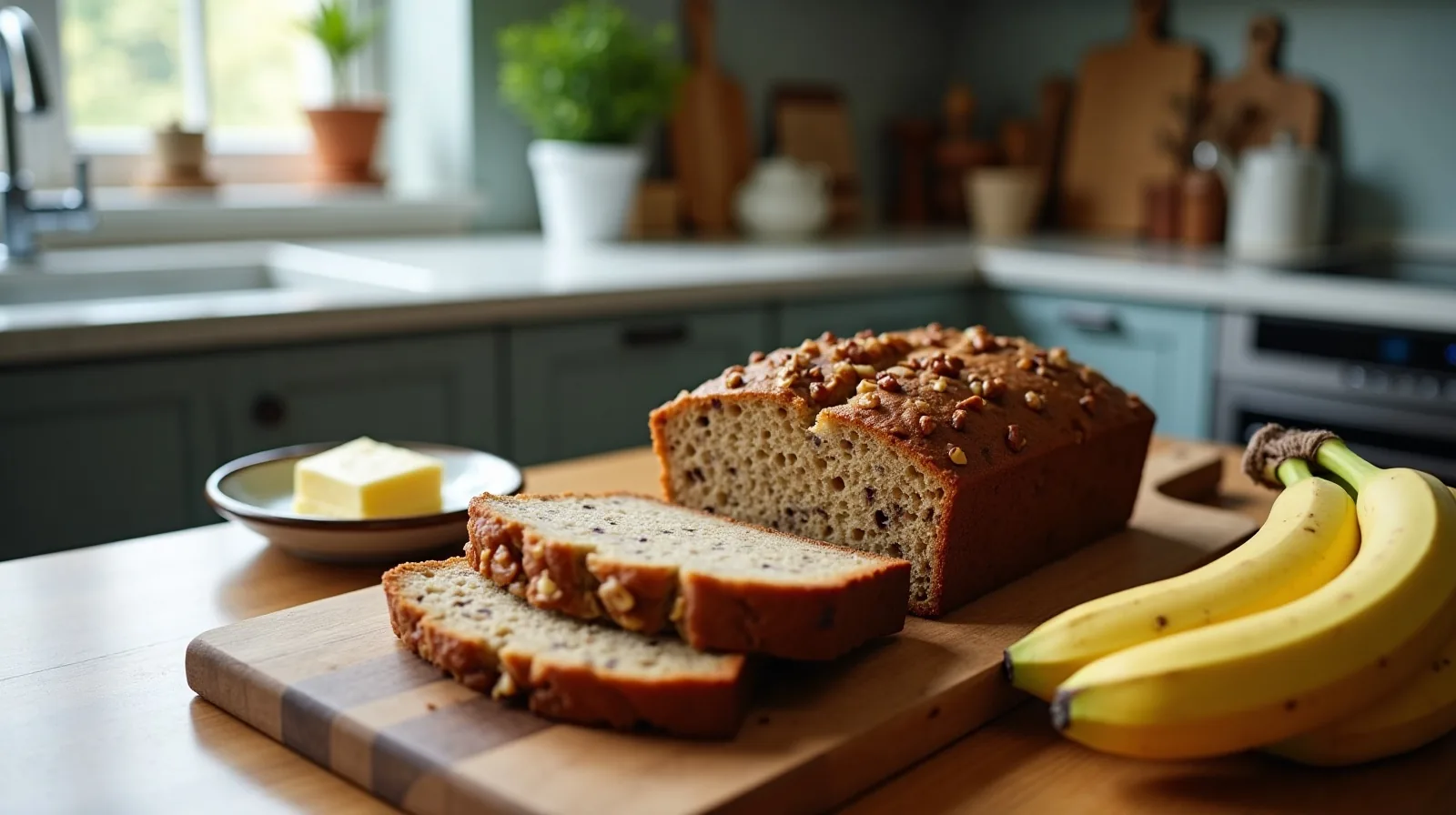
The classic loaf earns its reputation, but treat it as a starting point. Two habits matter more than any recipe tweak: use genuinely ripe bananas — usually three medium ones, about a cup and a half mashed — and stop stirring the moment the flour disappears, because overmixed batter bakes up tough and gummy. From that base, the loaf takes variation gracefully: a handful of toasted walnuts or pecans, chocolate chunks, a ribbon of cinnamon sugar swirled through the middle, a spoonful of cocoa sifted into the dry ingredients, or a sprinkle of coarse sugar on top for a crackly crust. Same bowl, same method, a different loaf every time.
Beyond the Loaf
When banana bread fatigue sets in — it happens — the same mashed fruit slides into half a dozen other easy bakes:
- Banana muffins. Any loaf batter portioned into a muffin tin bakes in roughly twenty minutes instead of an hour, and the results freeze beautifully for lunchboxes.
- Banana pancakes. Mash one into your usual pancake batter for extra sweetness and tenderness — or whisk a very ripe banana with a couple of eggs for a fast, flourless version.
- Banana oat cookies. Mashed banana plus oats makes a soft breakfast cookie that needs no added sugar; stir in raisins, nuts, or chocolate as the mood strikes.
- Baked oatmeal. Sliced or mashed bananas sweeten a pan of baked oatmeal so thoroughly you can cut the added sugar by half.
- Banana snack cake. The same batter spread in a square pan bakes faster than a loaf and needs nothing but a dusting of powdered sugar to feel finished.
Freeze Them at Their Peak
The oven doesn’t always cooperate with the bananas’ schedule, and that’s what the freezer is for. Peel them first — wrestling a frozen banana out of its peel is a genuine ordeal — then freeze them whole on a small tray before bagging, or mash and freeze flat in a zip-top bag marked with the quantity so a future batch arrives pre-measured. They keep well for around three months. Thawed bananas look bleak — dark, soft, sitting in their own liquid — but drain off the excess (or whisk a little back in) and they bake exactly like fresh-mashed. A freezer holding a bag of ready bananas means banana bread is never more than about an hour away.