The real cost of a weeknight dinner isn’t the cooking — it’s the aftermath. A skillet, two pots, a colander, and suddenly the twenty-minute meal has a forty-minute cleanup shift attached. One-pan chicken dinners exist to break that math: the protein, the vegetables, and usually the starch all cook together, the flavors actually improve for sharing space, and when dinner’s over there is exactly one pan looking at you. Here are five worth putting into regular rotation, plus the small habits that make any of them turn out right.
Why Thighs Are the One-Pan Workhorse
Any cut can work, but chicken thighs are the forgiving choice — and forgiveness is the whole point of a weeknight. Thighs stay juicy through the longer roasting times that vegetables need, brown beautifully at high heat, and shrug off the extra five minutes you spent helping with homework. Bone-in, skin-on thighs give you crackly skin and the most flavor; boneless ones cook faster and are easier for kids to eat. Chicken breasts can absolutely join the party — just add them partway through so they don’t dry out while the potatoes catch up.
Five Dinners to Put on Rotation
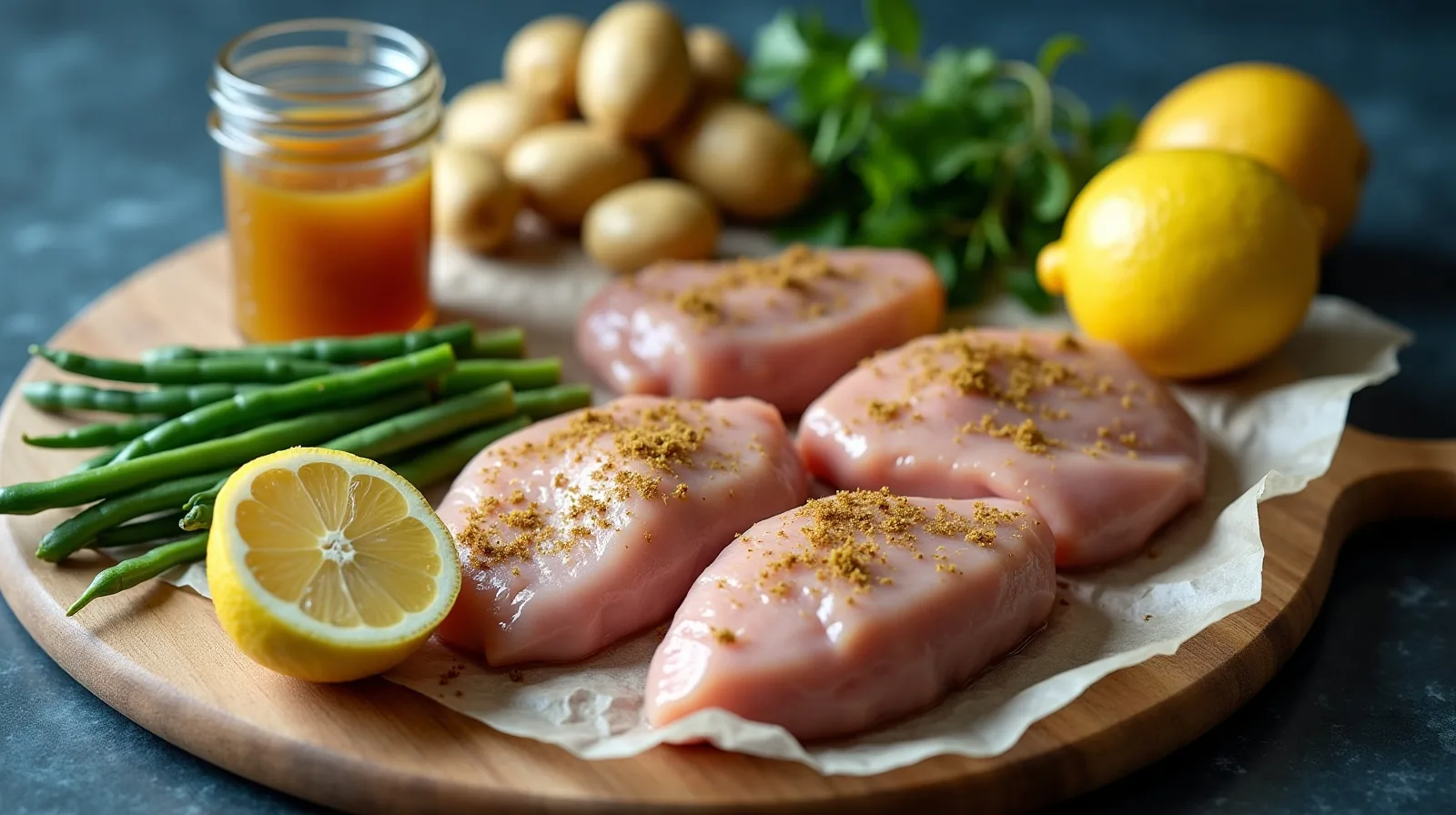
- Lemon-garlic thighs with potatoes. Toss halved baby potatoes with oil and salt and give them a ten-minute head start in a hot oven, then add garlicky, lemon-rubbed thighs and roast until the skin crisps. Green beans join for the last fifteen minutes.
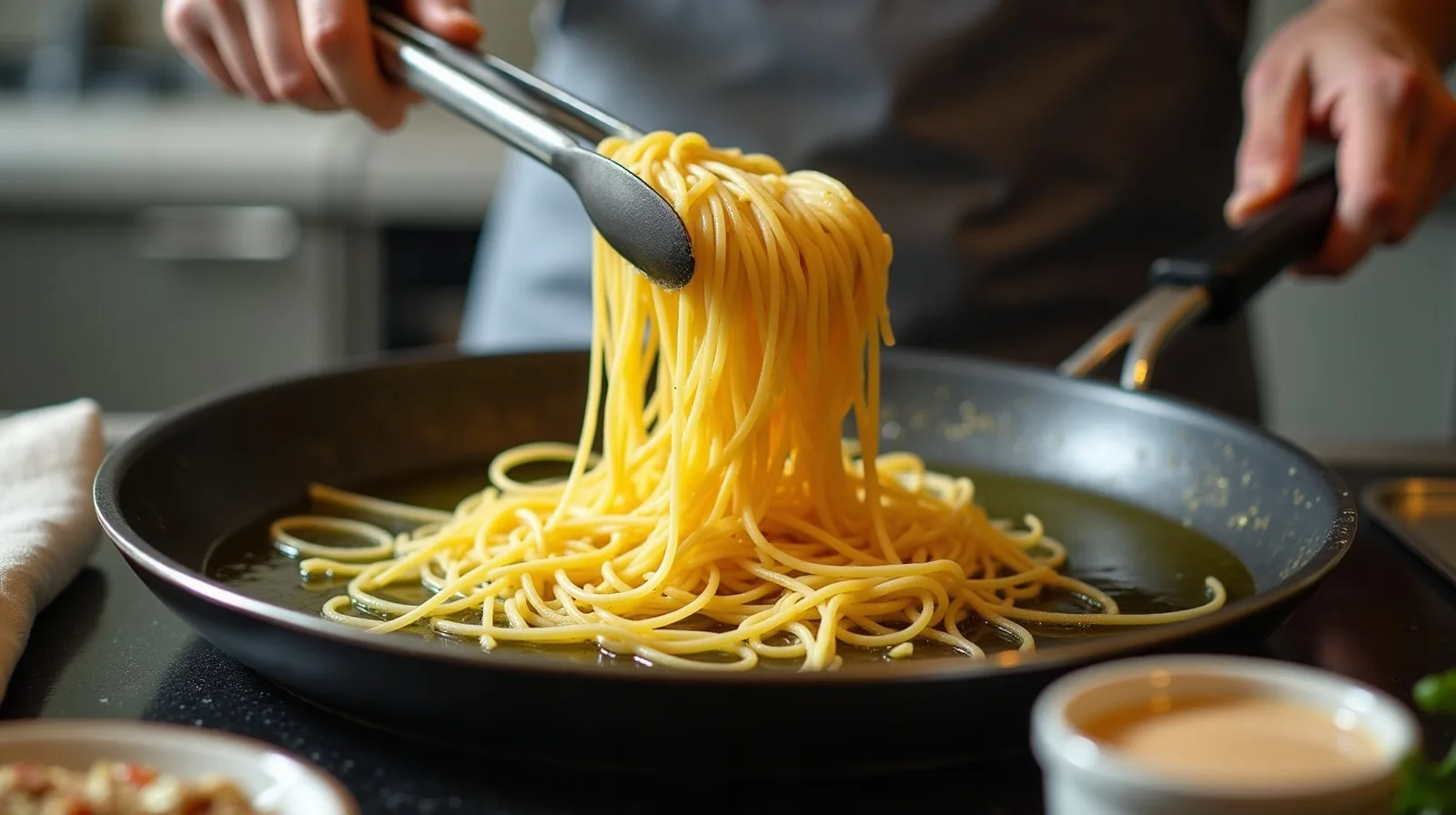
- Skillet chicken and rice. Brown thighs in a deep skillet, soften an onion in the drippings, toast the rice right in the fat, pour in broth, and nestle the chicken back on top with a lid. The rice drinks up everything the chicken left behind.
- Honey-mustard chicken with sweet potatoes. A three-ingredient glaze — honey, mustard, a splash of vinegar — brushed over thighs and cubed sweet potatoes, roasted until the edges caramelize.
- Salsa chicken skillet. Sear the chicken, add sliced peppers, a drained can of beans, and a jar of salsa, then simmer until everything is saucy. Serve straight from the pan with tortillas or over rice.
- Creamy tomato chicken and orzo. Browned chicken set aside, orzo simmered in the same pan with crushed tomatoes and broth, a spoonful of cream stirred in, chicken returned to finish. Tastes like far more work than it is.
The Small Moves That Make Them Work
One-pan cooking fails in predictable ways, and every failure has a cheap fix. Pat the chicken dry before it hits the pan — wet skin steams instead of browning. Don’t crowd: everything needs a little elbow room, so use your biggest pan or split across two rather than piling. Cut hard vegetables small and soft vegetables large so they finish together, and run the oven hot — around 425°F is the sweet spot where skin crisps before anything dries out. And check doneness properly: juices should run clear, or an instant-read thermometer should show 165°F at the thickest point. Guessing is how dinner ends up back in the oven in slices.
Cleanup Starts Before the Oven Does
The “cleans up fast” part is a choice you make before cooking, not after. Line the sheet pan with parchment or foil and the roasting mess wipes away with the liner. Use one cutting board strategically: vegetables first, raw chicken last, straight into the sink after — never the reverse, and wash hands and board well after raw poultry. If a skillet dinner leaves stuck-on bits, fill it with hot water the moment you plate up and let it soak while you eat; by the time dinner’s done, the pan practically cleans itself. One pan in the rack, counters wiped, evening returned.